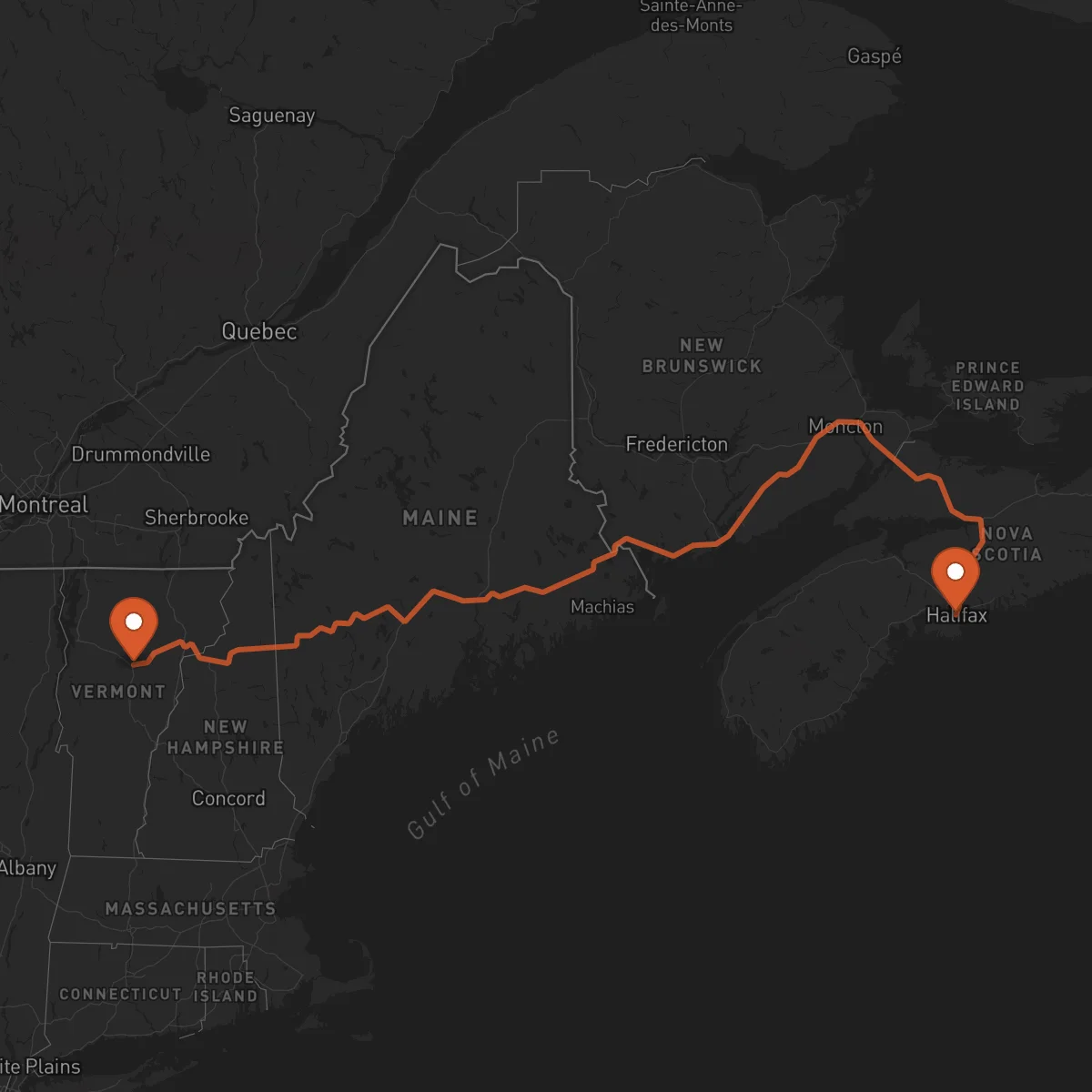
Montpelier to Halifax
Halifax → MontpelierFTL freight transportation service between Montpelier and Halifax. Reliable logistics solutions for your business.
Route Description
Everything you need to know about the corridor Montpelier - Halifax
The Montpelier-Halifax corridor represents a vital cross-border freight transportation route connecting the state of Vermont in the United States with Nova Scotia in Canada. This 714 km corridor traverses diverse terrain and serves as a crucial link between the northeastern United States and Atlantic Canada. The route facilitates the movement of goods between major economic centers, supporting trade relationships and supply chain operations across both countries.
The economic significance of this corridor extends beyond its geographical span. It connects Vermont's manufacturing and agricultural sectors with Nova Scotia's port facilities and industrial base. Key industries utilizing this route include food and beverage products, automotive parts, industrial equipment, and consumer goods. The corridor particularly benefits from Halifax's status as a major Atlantic port, enabling efficient distribution of international cargo to inland markets.
Transportation infrastructure along this route includes Interstate 89 and Interstate 95 in the United States, transitioning to Canadian highways including Highway 104 and Highway 102. The corridor crosses the international border at Calais-St. Stephen, a major commercial crossing point equipped with modern customs facilities. Control Terrestre provides comprehensive cross-border services on this route, ensuring seamless customs clearance, regulatory compliance, and efficient cargo handling throughout the journey from origin to destination.
Services for this Route
Available services for the corridor Montpelier - Halifax
 Origin
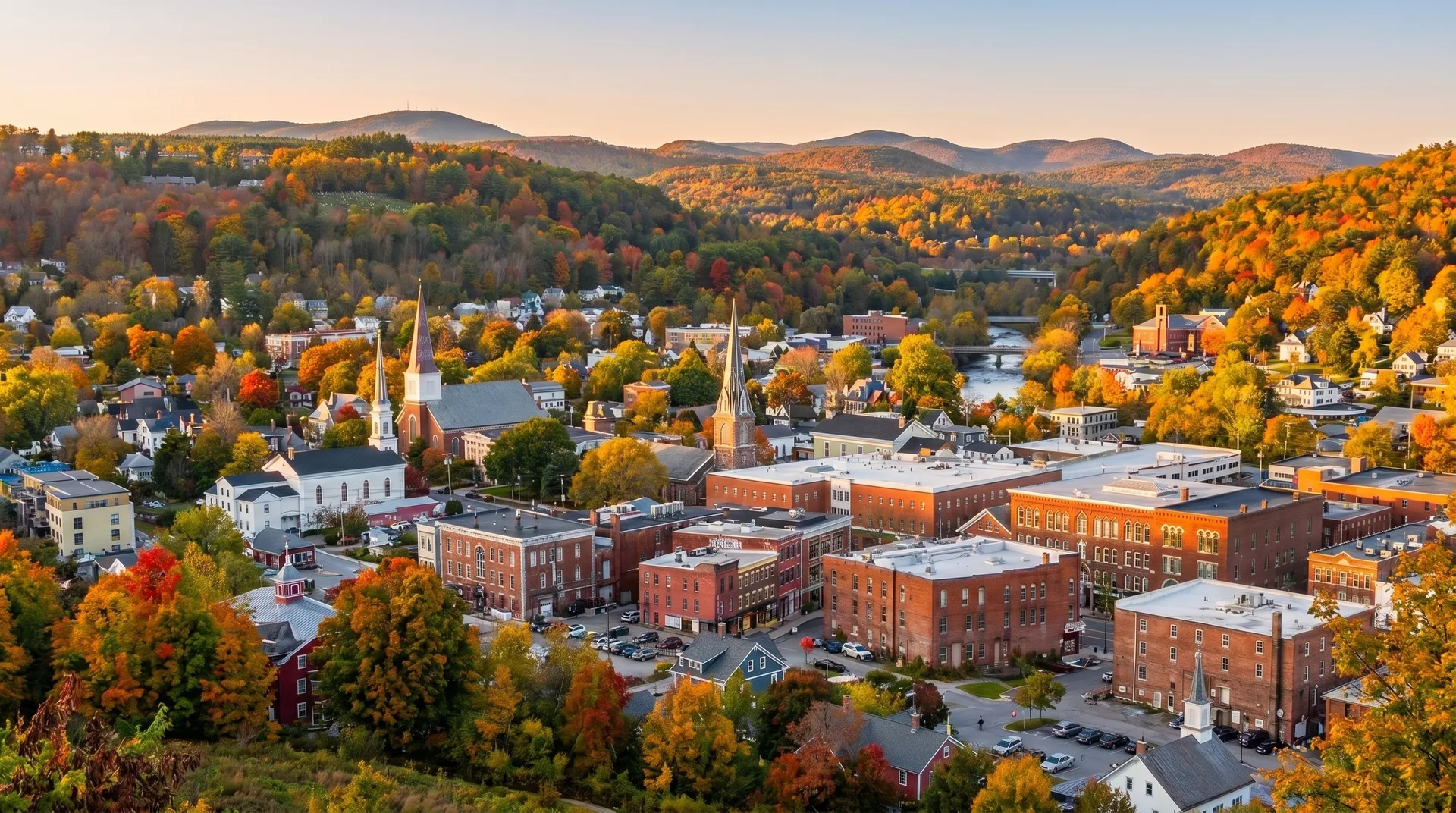
Montpelier
Montpelier, Vermont serves as a strategic origin point for freight transportation due to its central location within New England and proximity to major northeastern markets. The city and surrounding region feature a diverse economic base including manufacturing, healthcare, education, and agriculture. Vermont's strong agricultural sector produces dairy products, maple syrup, and specialty foods that frequently move through this corridor. The state's manufacturing industry, particularly in precision instruments and electronics, contributes significantly to outbound freight volumes.
The transportation infrastructure supporting Montpelier includes access to Interstate 89, which provides direct connections to major freight corridors. The region benefits from proximity to Burlington International Airport and rail connections via the New England Central Railroad. Control Terrestre leverages these multimodal connections to provide efficient full truckload services from Vermont to destinations throughout North America, with particular expertise in handling specialized cargo and temperature-controlled shipments originating from this region.
 Destination
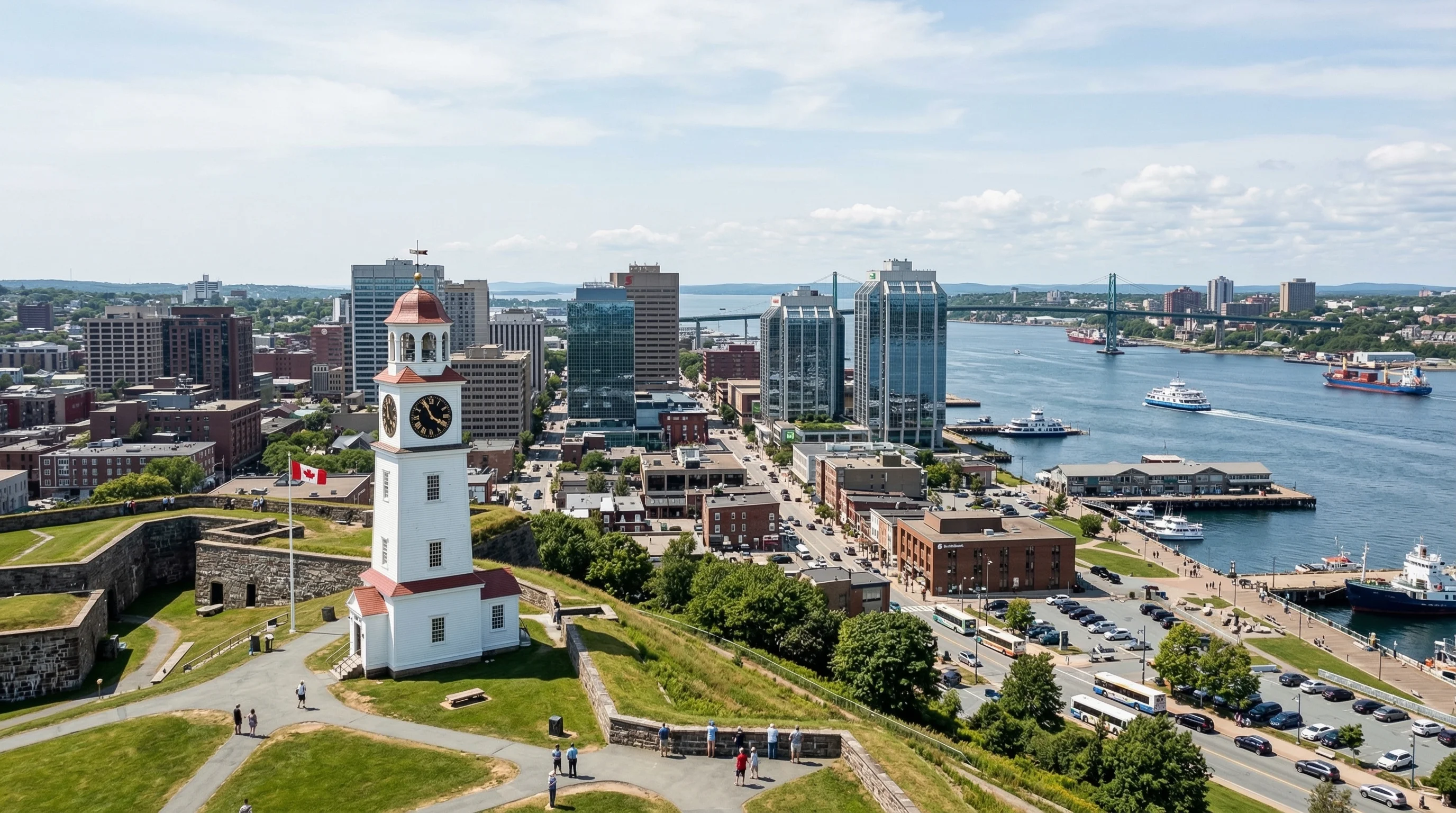
Halifax
Halifax, Nova Scotia stands as a strategic logistics hub on Canada's Atlantic coast, serving as the primary gateway for international trade in the Maritime provinces. The Halifax Port Authority operates one of North America's deepest and most versatile ports, handling containerized cargo, bulk commodities, and project cargo. The region's economy encompasses aerospace, defense, information technology, and ocean technology sectors, creating diverse freight transportation needs. Halifax's role as a major port city makes it a critical node for distribution throughout Atlantic Canada and beyond.
The transportation infrastructure in Halifax includes extensive port facilities, rail connections via CN Rail, and highway access through Highway 102 and the 100-series highways. The port's intermodal capabilities allow for seamless transfer between ocean vessels, rail, and truck transportation. Control Terrestre specializes in providing door-to-door full truckload services to and from Halifax, ensuring efficient cargo movement from the port to inland destinations and facilitating the reverse flow of goods from Vermont and other northeastern states to Atlantic Canada.










