Montpelier to Cuilapa
Cuilapa → MontpelierFTL freight transportation service between Montpelier and Cuilapa. Reliable logistics solutions for your business.
Route Description
Everything you need to know about the corridor Montpelier - Cuilapa
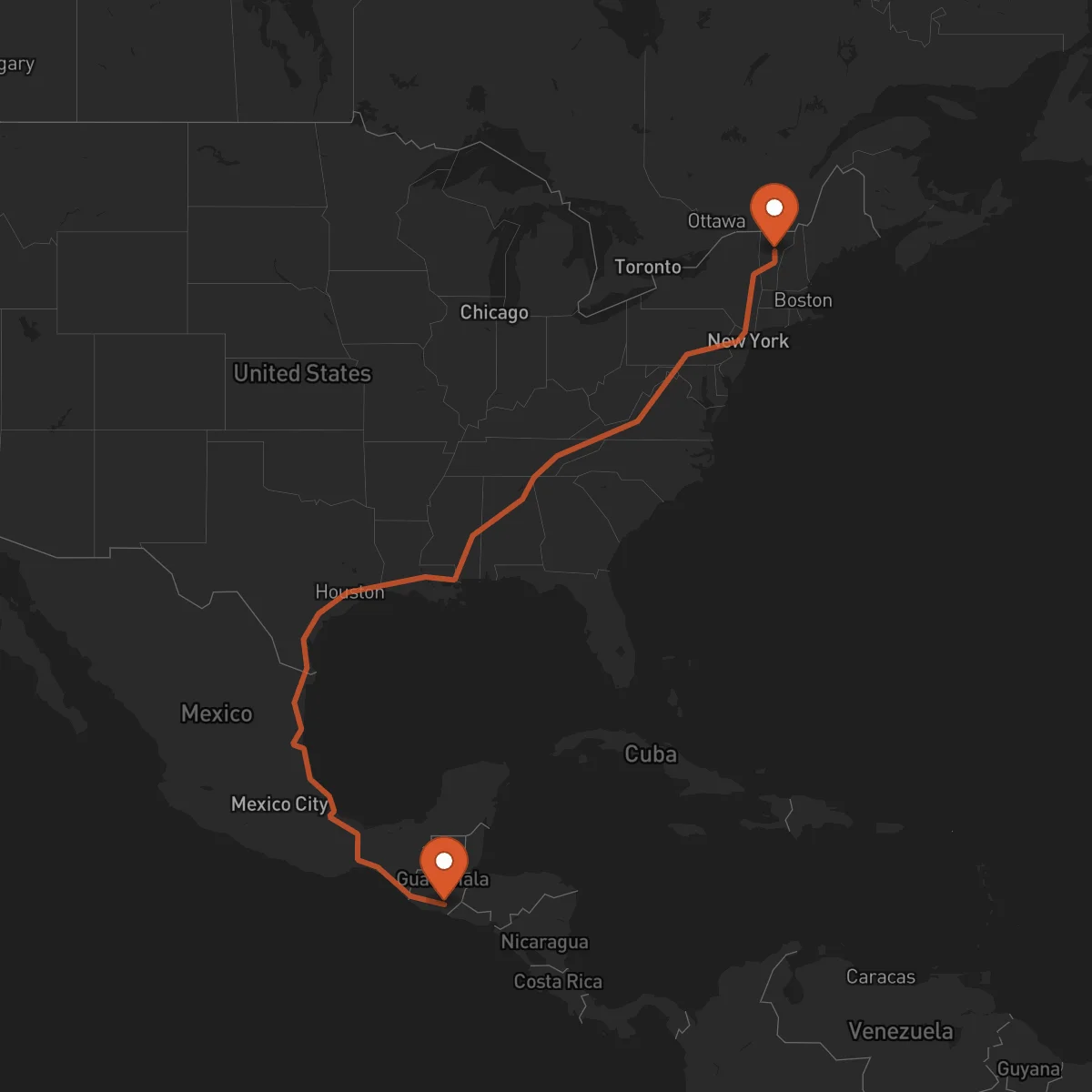
The Montpelier, Vermont to Cuilapa, Guatemala corridor is a critical North-South trade artery connecting the Northeastern United States with Central America. Spanning approximately 3,732 kilometers, this cross-border route facilitates the movement of goods across three countries, serving as a vital link for supply chains requiring full truckload (FTL) efficiency. Its strategic importance lies in bridging the industrial Northeast with the growing consumer and production markets of Guatemala, enabling reliable access to a key hub in the Central American isthmus.
Economically, the corridor supports a dynamic flow of goods. From Vermont, exports include dairy products, maple syrup, precision manufacturing components, and specialty foods. Conversely, Guatemala supplies the U.S. market with coffee, tropical fruits, textiles, and manufactured goods. Primary industries leveraging this route are agriculture (both perishable and dry bulk), food and beverage processing, retail distribution, and industrial manufacturing. The consistent demand for dedicated and specialized cargo movement makes this corridor a backbone for regional trade.
Transportation infrastructure relies on a coordinated network of major highways. The journey begins on Interstate 89 from Montpelier, connecting to I-91 and I-90 for southward progress. The route traverses the U.S. Eastern Seaboard, enters Mexico via the border at Laredo/Novo Laredo, and utilizes Mexico's federal highway system—notably Mexico 57 and 150—toward the southern border. The primary border crossing into Guatemala is at Ciudad Hidalgo/Tecún Umán. Upon entry, Guatemalan Highway CA-1 provides direct access to Cuilapa and the broader Santa Rosa region. Key customs considerations include compliance with C-TPAT (U.S.), FAST (Canada/U.S.), and BASC (Guatemala) programs, which our provider alliances are certified in, ensuring streamlined clearance.
Control Terrestre facilitates seamless operations on this corridor through our exclusive FTL model and strategic provider network. We coordinate dedicated, expedited, and specialized services—including refrigerated, oversized, and hazardous materials transport—using certified equipment like 53' dry vans, reefers, and tankers. Our providers hold C-TPAT, FAST, BASC, and Clean Transportation certifications, enabling efficient cross-border handling, door-to-door delivery, and adherence to all regulatory frameworks. We manage the complexities of multi-country transit, providing our clients with a single point of contact for a human-centric, reliable logistics solution.
Services for this Route
Available services for the corridor Montpelier - Cuilapa
 Origin
Montpelier
Montpelier, the capital of Vermont, serves as a strategic logistics origin due to its central location within New England and direct access to the Interstate highway system. Its position on I-89 provides a direct north-south corridor, connecting efficiently to I-91 and the broader I-90 network, enabling swift access to major urban markets and border crossings. The city is an economic hub for a region dominated by advanced manufacturing, clean technology, and a world-renowned agricultural sector. Key industries include dairy processing (home to global brands), maple syrup production, precision engineering, and craft beverage manufacturing. This creates a steady demand for outbound FTL freight of both temperature-controlled and dry goods. The available infrastructure is robust for ground transport, with I-89 offering a direct route to southern connections, complemented by rail freight options (via Vermont Railway) for intermodal flexibility, though our focus remains on dedicated truckload solutions.
 Destination
Cuilapa
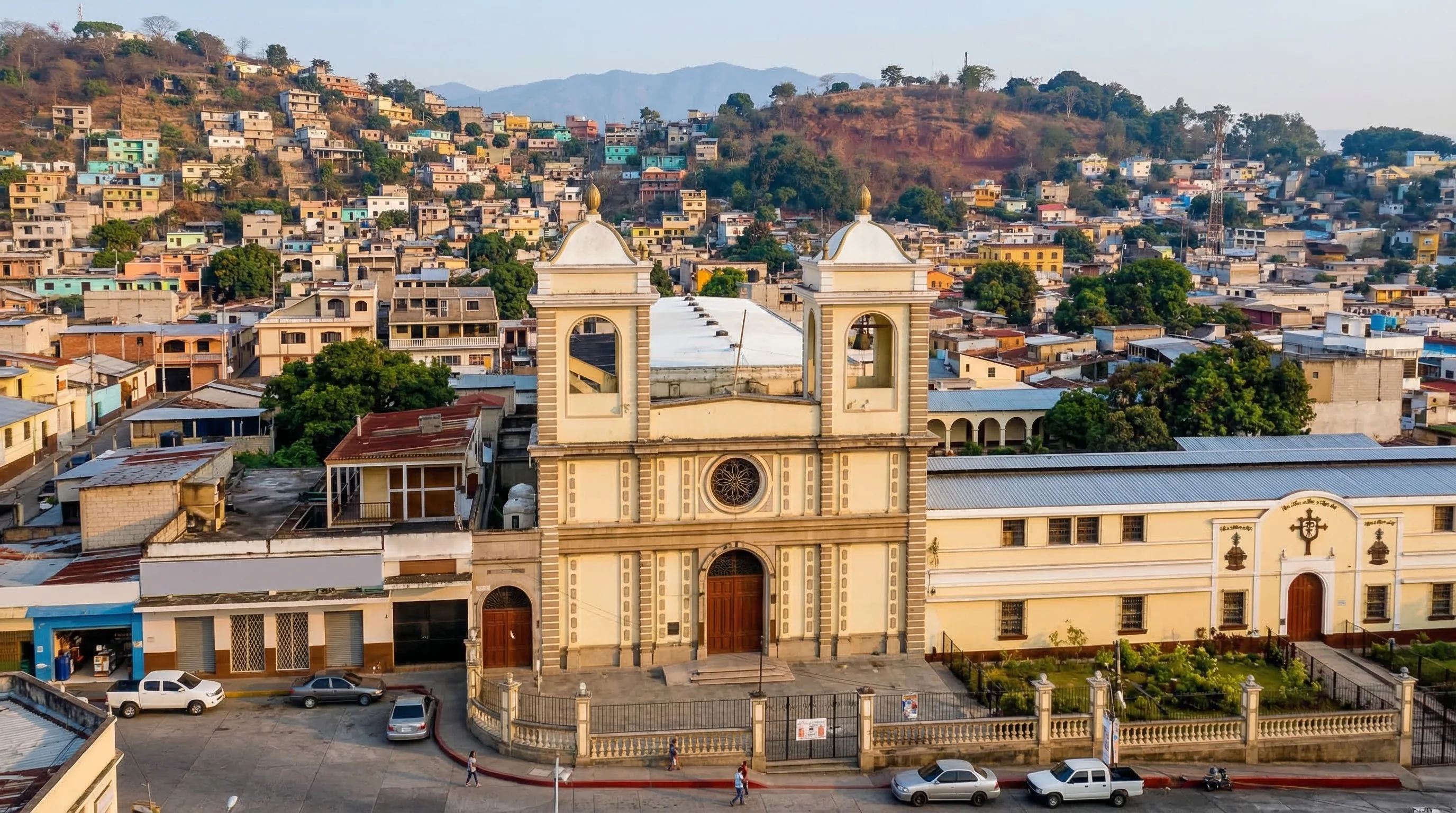
Cuilapa, the municipal seat of Santa Rosa, is a strategically important logistics destination in southeastern Guatemala. Its location along the CA-1 highway, the country's primary north-south arterial route, provides direct access to Guatemala City (approximately 60 km north) and the Pacific port of Puerto Quetzal (about 100 km south). This positions Cuilapa as a crucial distribution and collection point for Central American trade. The regional economy is heavily driven by agriculture, particularly coffee and sugar cane production, along with food processing, textile manufacturing, and light industry. These sectors generate significant demand for inbound raw materials and outbound finished goods. The transportation infrastructure is centered on the well-maintained CA-1 highway network, which supports high-volume truck traffic. While rail infrastructure is limited, the road connectivity is excellent for FTL operations, making it a viable endpoint for cross-border freight from North America.










