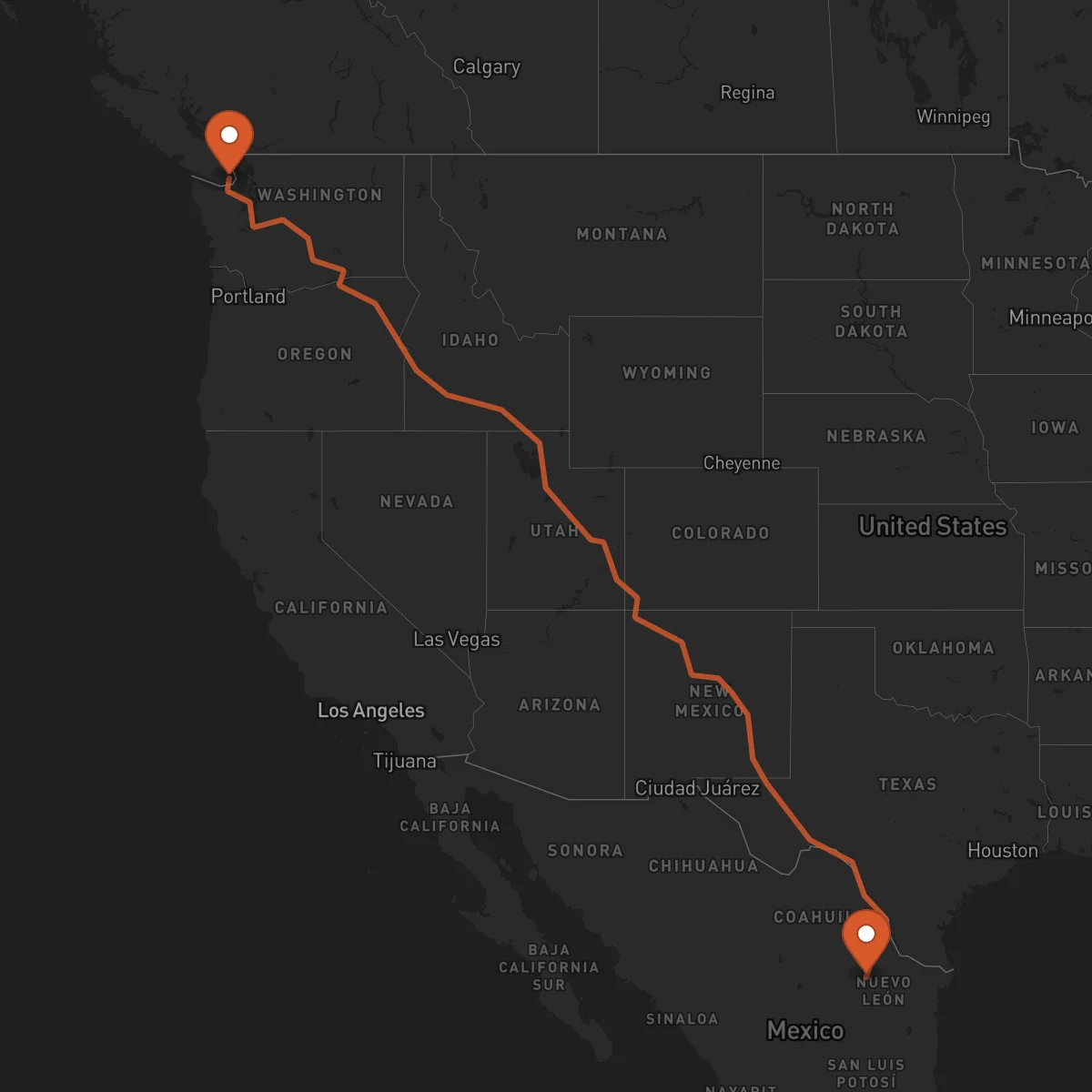
Monterrey to Victoria
Victoria → MonterreyFTL freight transportation service between Monterrey and Victoria. Reliable logistics solutions for your business.
Route Description
Everything you need to know about the corridor Monterrey - Victoria
The logistics corridor between Monterrey, Nuevo León, and Victoria, British Columbia, represents a vital cross-border freight route spanning approximately 3,226 kilometers across North America. This corridor connects one of Mexico's most dynamic industrial hubs with a key Pacific gateway on Canadian soil, enabling companies to move full truckload shipments seamlessly between central Mexico and the western coast of Canada. As trade under USMCA continues to strengthen economic ties among Mexico, the United States, and Canada, this corridor has grown in strategic importance for manufacturers, distributors, and importers seeking reliable cross-border freight solutions.
Monterrey serves as the economic engine of northeastern Mexico, home to a dense concentration of automotive, steel, electronics, and manufacturing industries that generate significant freight volumes destined for North American markets. Victoria, while smaller in industrial output, functions as a critical logistics node on Vancouver Island, with strong ties to maritime trade, forestry, technology, and government sectors. The corridor supports the movement of raw materials, finished goods, and specialized cargo that fuel supply chains on both ends.
The primary route follows major interstate and federal highways, traversing through key Mexican corridors into the United States via established border crossings before continuing northward through the Pacific Northwest into British Columbia. Control Terrestre leverages its alliance of experienced and strategic transportation providers to navigate the complexities of cross-border customs procedures, ensuring compliance with C-TPAT, FAST, and BASC certifications. Our team coordinates every stage of the journey, from pickup in Monterrey to final delivery in Victoria, providing dedicated full truckload service tailored to the specific needs of each shipment.
At Control Terrestre, we understand that cross-border freight demands precision, expertise, and a deep understanding of regulatory frameworks across three nations. Our providers hold the necessary certifications and experience to handle hazardous materials, oversized cargo, refrigerated freight, and standard dry van loads along this corridor. We work directly with our clients to design transportation solutions that align with their supply chain goals, offering transparency and human-centered service every step of the way as the most human and green transportation company in the region.
Services for this Route
Available services for the corridor Monterrey - Victoria
 Origin
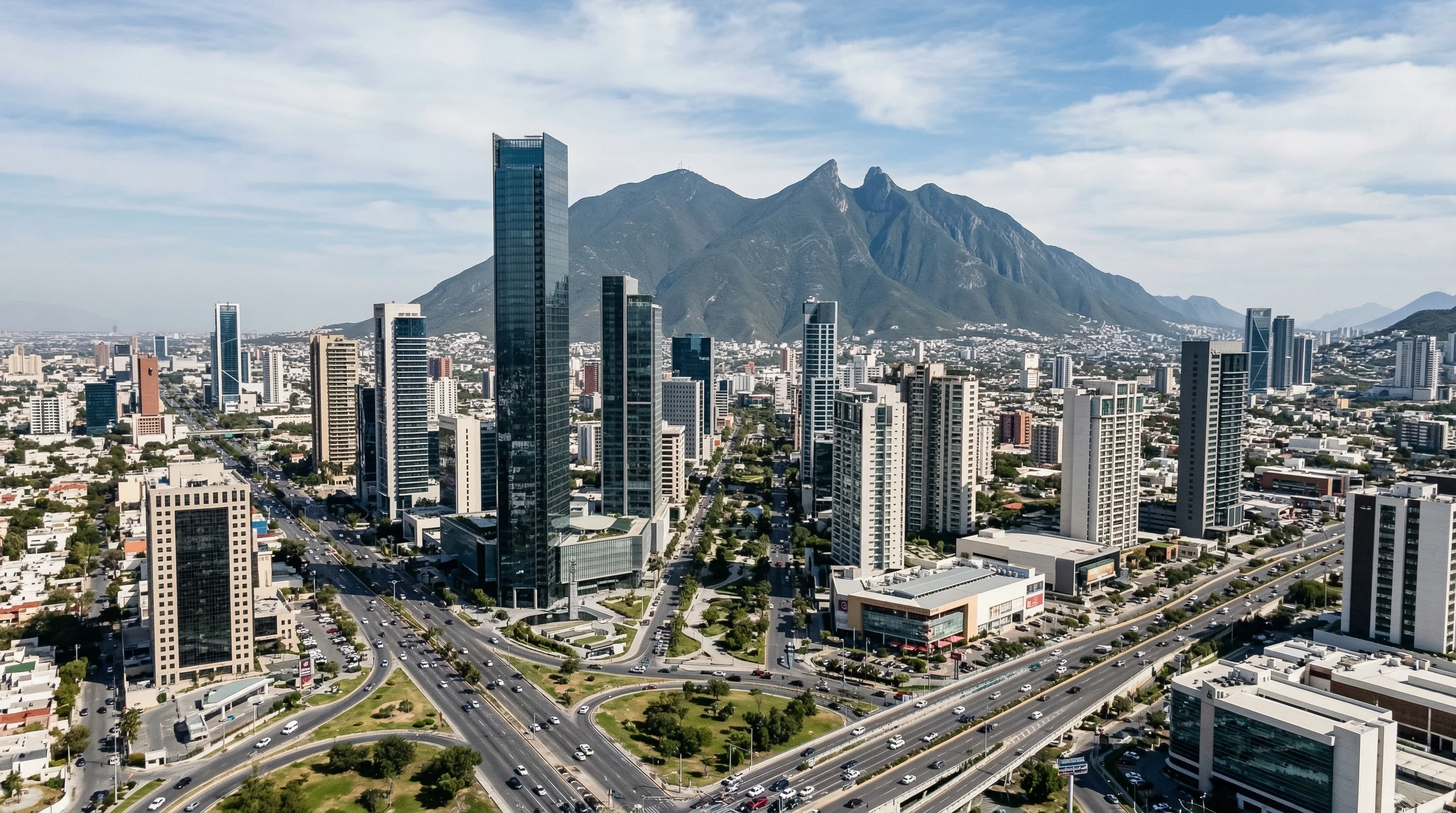
Monterrey
Monterrey, the capital of Nuevo León, stands as Mexico's third-largest metropolitan area and one of the most important industrial and logistics centers in Latin America. Its strategic location in northeastern Mexico positions it within practical reach of major border crossings into the United States, making it a natural origin point for cross-border freight heading to destinations across North America. The city hosts a robust manufacturing base, with leading industries including automotive production, steel and metalworking, electronics, cement, glass, and food and beverage processing. Monterrey's well-developed transportation infrastructure includes an extensive network of federal highways connecting it to key border cities, a modern intermodal rail system, and proximity to the Mariscala and Colombia border crossings. This infrastructure makes Monterrey an ideal hub for companies requiring efficient full truckload freight services.
 Destination
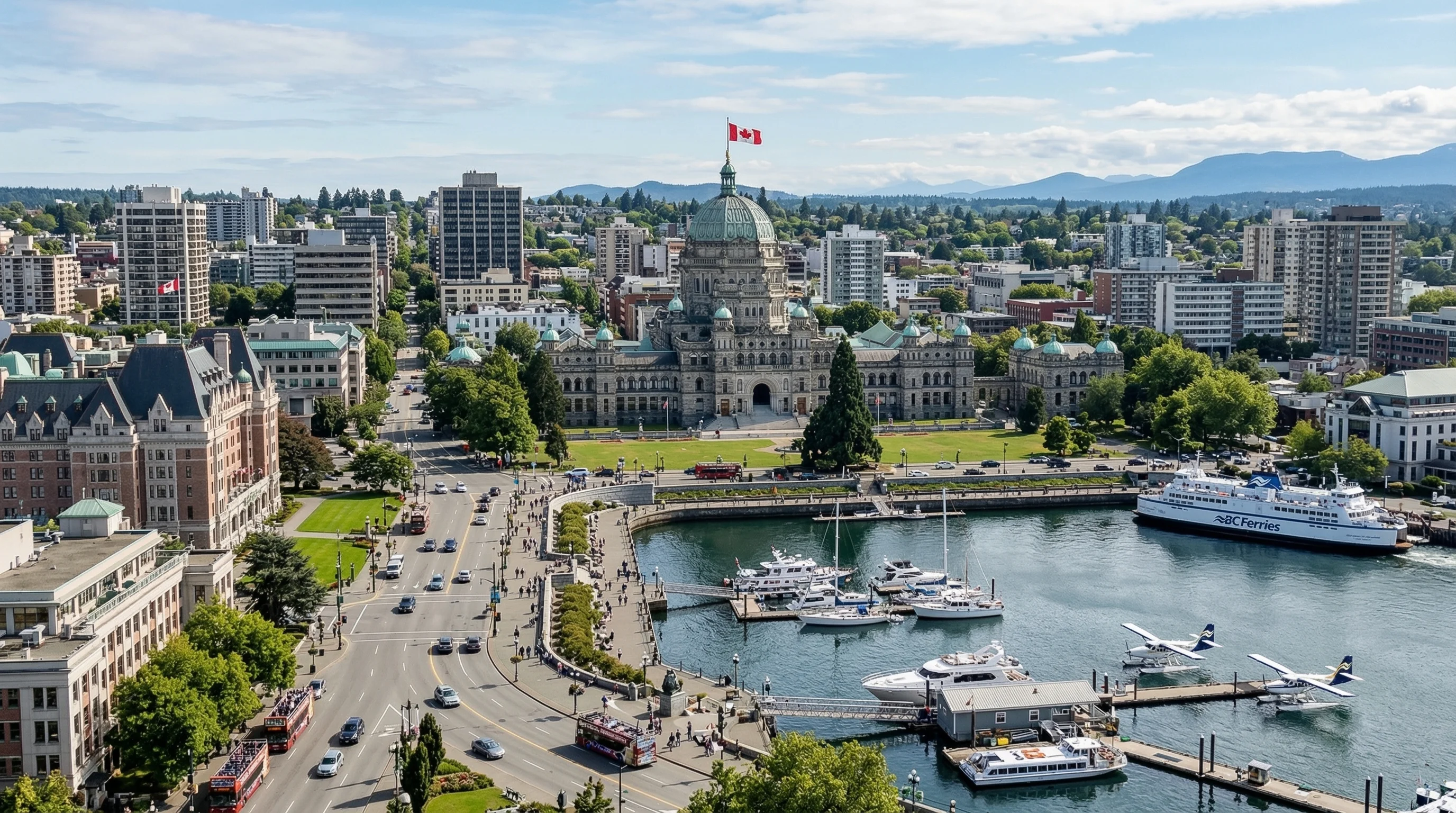
Victoria
Victoria, the capital city of British Columbia, sits at the southern tip of Vancouver Island and serves as an important logistics destination on Canada's Pacific coast. While smaller than mainland urban centers, Victoria plays a significant role in regional trade, supported by its deep-water port facilities at the Port of Victoria and proximity to the larger Port of Vancouver on the mainland. Key economic sectors include government services, technology, tourism, education, forestry, and fisheries. The city's transportation infrastructure relies heavily on ferry connections to the mainland and well-maintained provincial highways, with freight moving through the island's highway network to reach distribution points. For shipments originating in Mexico, Victoria represents a gateway to Pacific trade routes and serves a growing market for imported goods.










