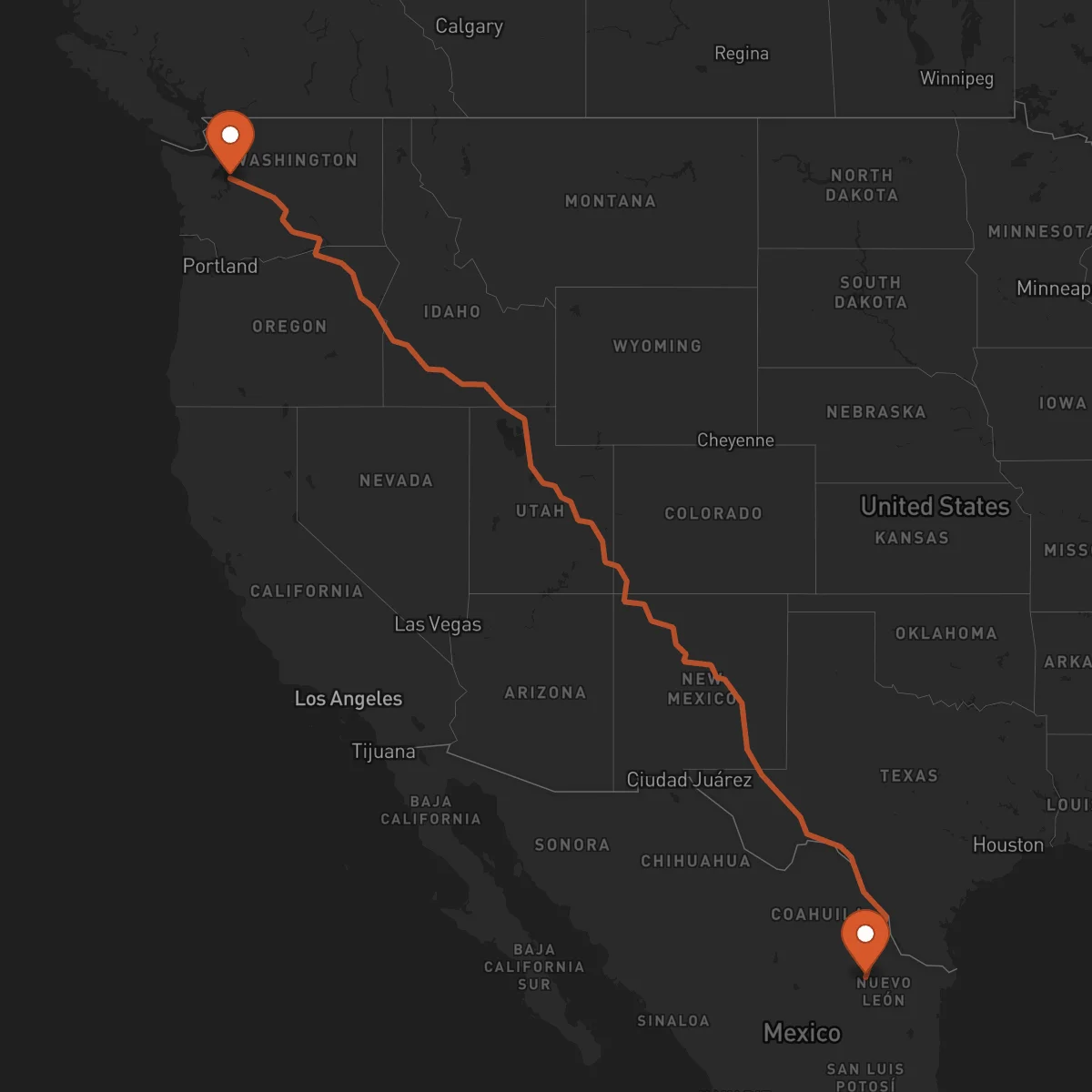
Monterrey to Seattle
Seattle → MonterreyFTL freight transportation service between Monterrey and Seattle. Reliable logistics solutions for your business.
Route Description
Everything you need to know about the corridor Monterrey - Seattle
The corridor between Monterrey, Nuevo León, México, and Seattle, Washington, Estados Unidos, represents one of the most strategic cross-border freight routes in North America, spanning approximately 3,107 kilometers. This corridor connects two of the most dynamic industrial and commercial hubs on the continent, serving as a vital artery for companies seeking to move full truckload (FTL) freight between northern Mexico and the Pacific Northwest of the United States. Its importance continues to grow as nearshoring trends drive increased manufacturing activity in Monterrey and demand for efficient import and export solutions rises across the border.
Monterrey stands as Mexico's industrial powerhouse, home to major steel, automotive, electronics, and aerospace manufacturers, while Seattle anchors a region defined by technology, aerospace, retail distribution, and maritime trade. The corridor supports a wide range of industries, including automotive parts, electronics, industrial machinery, consumer goods, and specialized cargo such as hazardous materials and oversized freight. Companies operating along this route rely on consistent, dedicated FTL solutions to maintain supply chain efficiency and meet production schedules on both sides of the border.
The primary transportation infrastructure supporting this corridor includes Mexico's Federal Highway 40 and Interstate 5 in the United States, which together provide a continuous north-south freight corridor linking Monterrey to Seattle. Key border crossings such as Laredo, Texas, and Nogales, Arizona, serve as critical customs checkpoints where proper documentation and compliance with C-TPAT and FAST certifications are essential for expedited clearance. Control Terrestre leverages its alliance of experienced transportation providers to navigate these crossings efficiently, ensuring that cargo moves seamlessly through customs and reaches its destination without unnecessary delays.
At Control Terrestre, we facilitate operations on this corridor by offering dedicated FTL services tailored to the specific needs of cross-border shippers. Our providers hold certifications including C-TPAT, FAST, BASC, Clean Transportation, and Responsible Care, ensuring compliance with the highest security and environmental standards. Whether your cargo requires dry van, refrigerated, flatbed, tanker, or specialized equipment, we connect your freight from origin to destination with the professionalism and reliability your supply chain demands.
Services for this Route
Available services for the corridor Monterrey - Seattle
 Origin
Monterrey
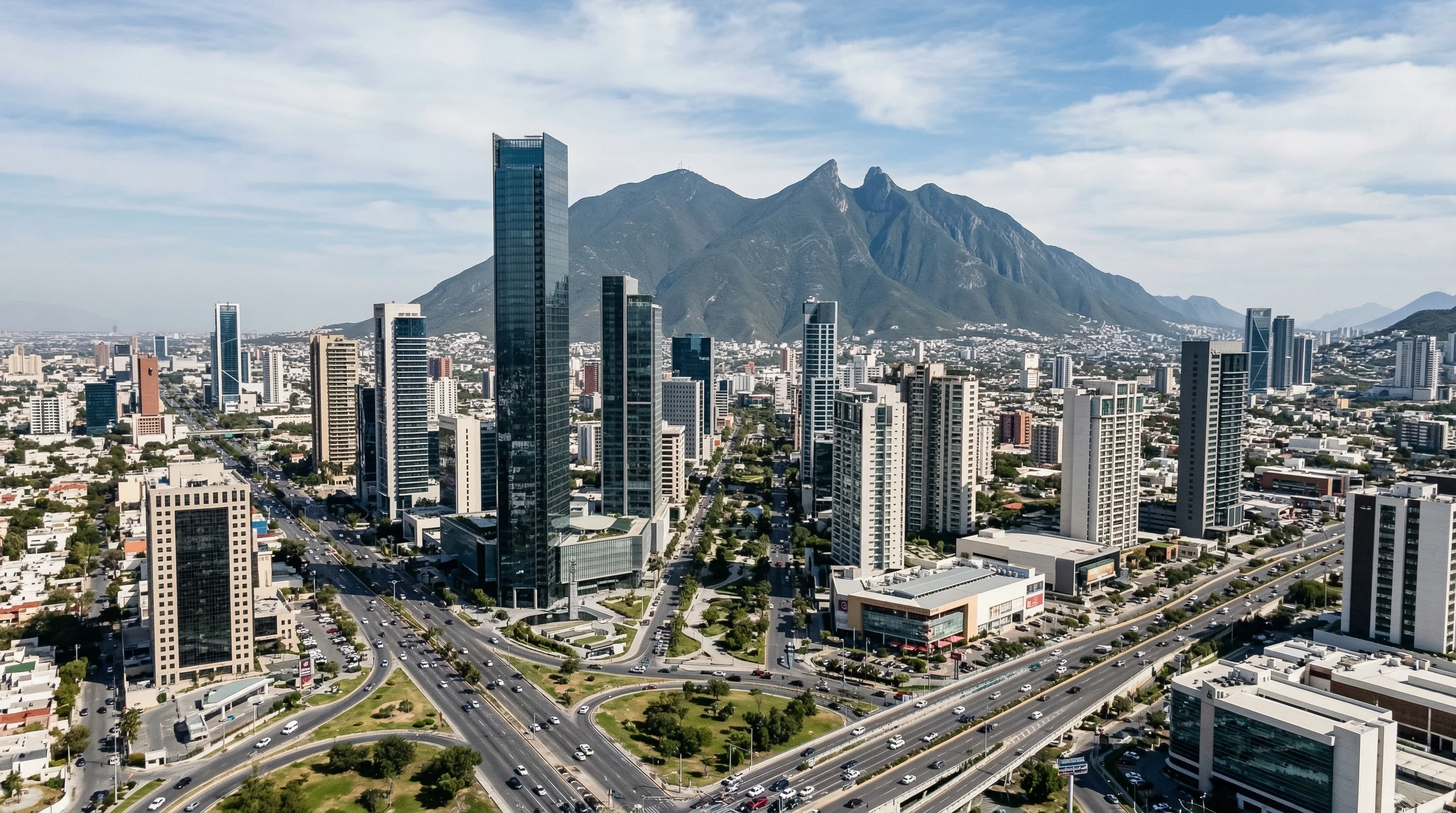
Monterrey, the capital of Nuevo León, is one of Mexico's most important industrial and logistics centers. Strategically located in northern Mexico, it serves as a gateway to the United States border, making it an ideal origin point for cross-border freight operations. The city hosts major manufacturing clusters in automotive, steel, electronics, aerospace, and consumer goods industries. Its robust transportation infrastructure includes direct access to Federal Highway 40, proximity to the Laredo and Nuevo Laredo border crossing, and connections to multiple intermodal and rail facilities. This combination of industrial output and logistical connectivity positions Monterrey as a critical hub for companies moving FTL freight into the United States.
 Destination
Seattle
Seattle, Washington, is a premier logistics destination on the Pacific Northwest coast of the United States. Its strategic location provides access to major ports, rail networks, and Interstate 5, enabling efficient distribution throughout the western United States. Key industries in the region include technology, aerospace, retail, and maritime trade, all of which generate consistent demand for FTL freight services. Seattle's well-developed transportation infrastructure, combined with its role as a gateway for international and domestic commerce, makes it a critical endpoint for cross-border shipments originating from Mexico. Companies rely on dedicated freight solutions to maintain supply chain continuity in this high-demand market.










