Monterrey to Tijuana
Tijuana → MonterreyFTL freight transportation service between Monterrey and Tijuana. Reliable logistics solutions for your business.
Route Description
Everything you need to know about the corridor Monterrey - Tijuana
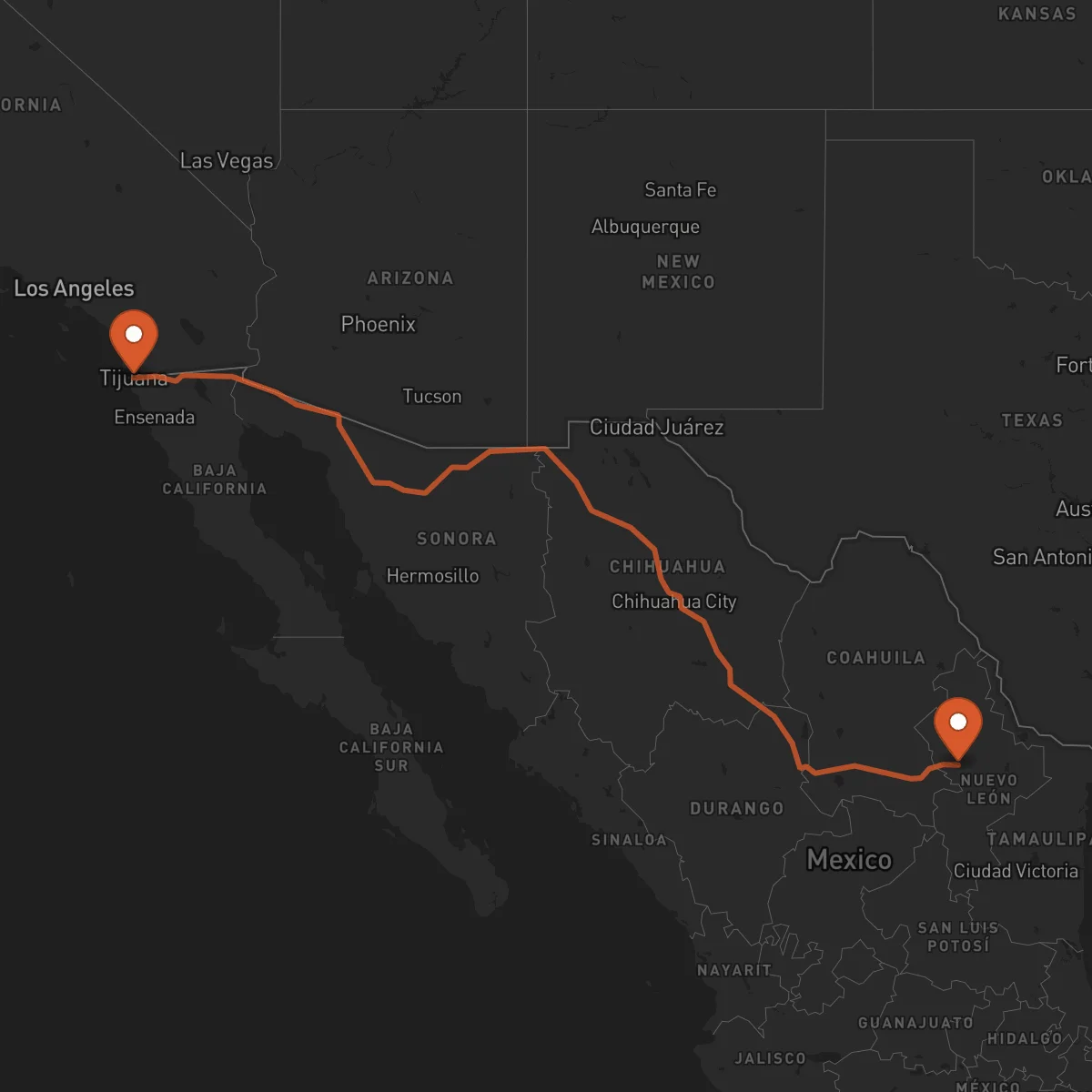
The Monterrey-Tijuana corridor represents one of Mexico's most vital logistics routes, connecting the industrial powerhouse of northeastern Mexico with the strategic border city in Baja California. This 1,789 km route traverses diverse landscapes and serves as a crucial link between Mexico's manufacturing centers and the United States border. The corridor facilitates the movement of goods from Monterrey's extensive industrial base to Tijuana's maquiladora plants and export facilities, supporting both domestic and international trade. The route passes through key states including Nuevo León, Coahuila, Chihuahua, and Baja California, utilizing Mexico's federal highway network to ensure efficient cargo movement.
This transportation corridor is essential for industries such as automotive, electronics, aerospace, and medical devices, which rely on just-in-time delivery systems and require reliable full truckload (FTL) services. Monterrey, known as Mexico's industrial capital, produces high-value manufactured goods that need to reach Tijuana's export-oriented economy and border crossing points. The corridor benefits from Mexico's modern highway infrastructure, including toll roads that provide safer and faster transit for commercial vehicles. Control Terrestre's strategic positioning and extensive network of certified carriers ensure seamless operations along this critical route, offering specialized FTL solutions that meet the demanding requirements of industries operating between these two major economic centers.
Control Terrestre facilitates operations on this corridor through our comprehensive FTL services, utilizing our certified carrier network and advanced logistics capabilities. Our providers maintain C-TPAT, FAST, and other security certifications, ensuring compliance with international trade requirements. We offer specialized equipment including dry vans, refrigerated units, and flatbed trailers to accommodate various cargo types. Our dedicated team monitors shipments throughout the journey, providing real-time tracking and proactive communication to ensure timely delivery of full truckloads between Monterrey and Tijuana.
Services for this Route
Available services for the corridor Monterrey - Tijuana
 Origin
Monterrey
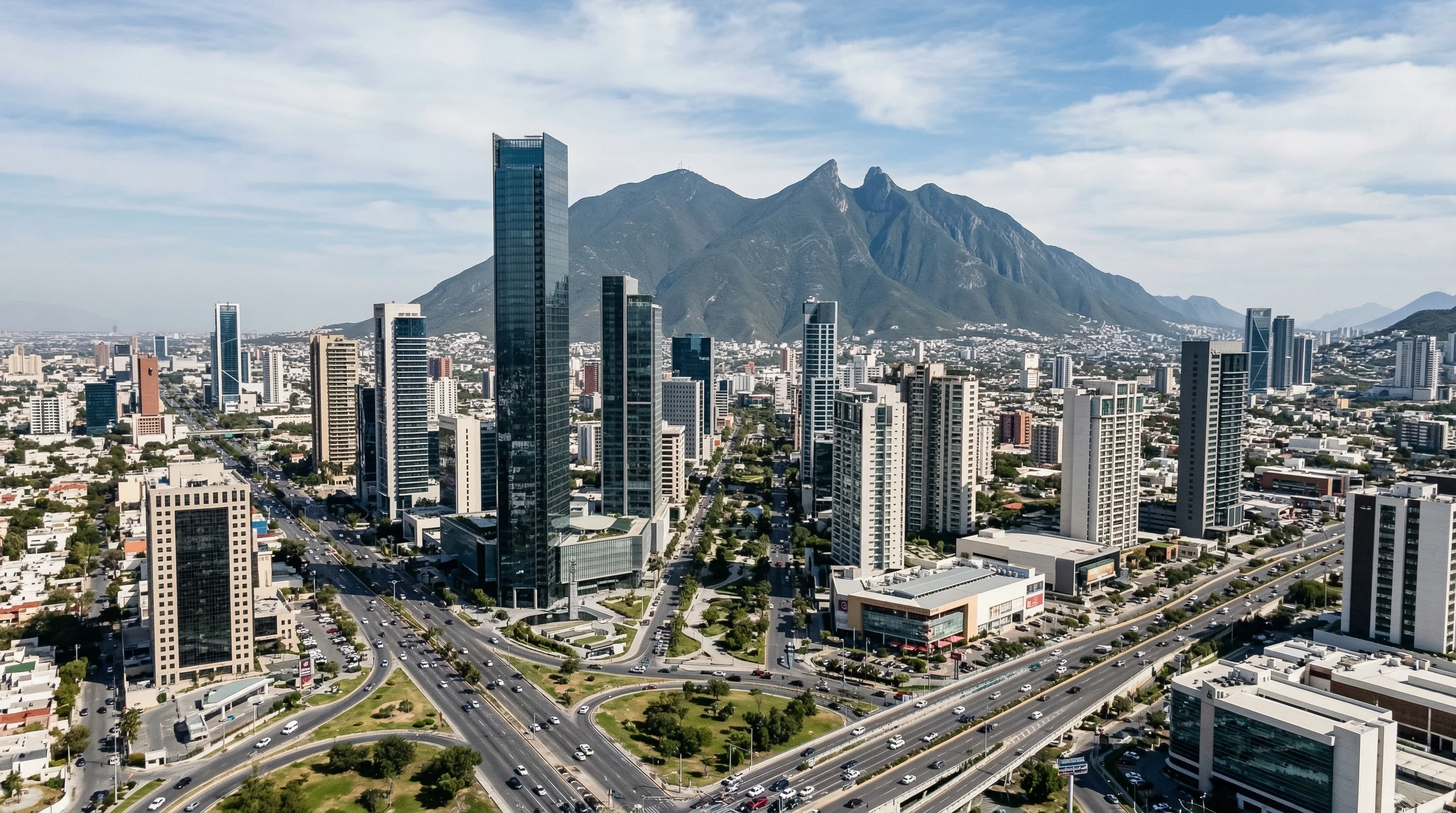
Monterrey, located in northeastern Mexico, stands as the country's industrial and logistics hub. The city's strategic position provides excellent connectivity to major ports, border crossings, and manufacturing centers. Monterrey's industrial park hosts numerous multinational corporations and serves as headquarters for many of Mexico's largest companies. The region's economic strength lies in its diverse industrial base, including automotive manufacturing, steel production, cement, glass, and high-tech industries. The city benefits from a sophisticated transportation infrastructure featuring modern highways, an international airport, and rail connections. Monterrey's logistics ecosystem includes industrial parks, warehousing facilities, and a skilled workforce, making it an ideal origin point for freight transportation across Mexico and into the United States.
 Destination
Tijuana
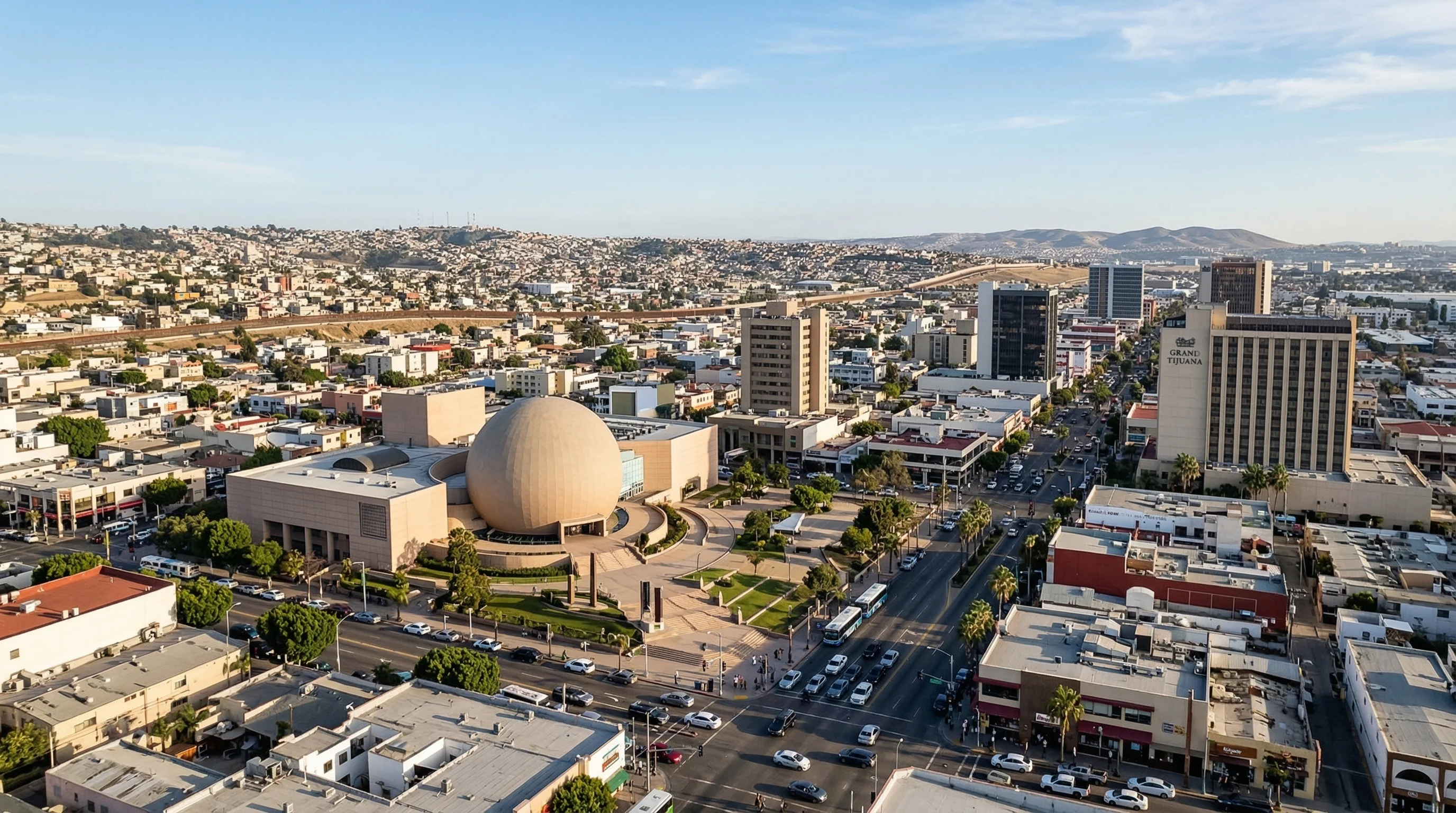
Tijuana, situated in Baja California on Mexico's northwest border with the United States, serves as a critical logistics and manufacturing center. The city's strategic location provides direct access to California's major markets and ports, making it a preferred destination for export-oriented industries. Tijuana's economy is driven by its robust maquiladora industry, particularly in electronics, aerospace, medical devices, and automotive components. The region has developed extensive industrial parks and manufacturing clusters that benefit from proximity to San Diego and the broader California market. Tijuana's transportation infrastructure includes modern highways connecting to the U.S. border, a cargo airport, and efficient customs facilities. The city's position as a border crossing point facilitates international trade, with millions of dollars in goods moving across the border daily, supported by specialized logistics services and free trade zone benefits.










