Minneapolis to Masaya
Masaya → MinneapolisFTL freight transportation service between Minneapolis and Masaya. Reliable logistics solutions for your business.
Route Description
Everything you need to know about the corridor Minneapolis - Masaya
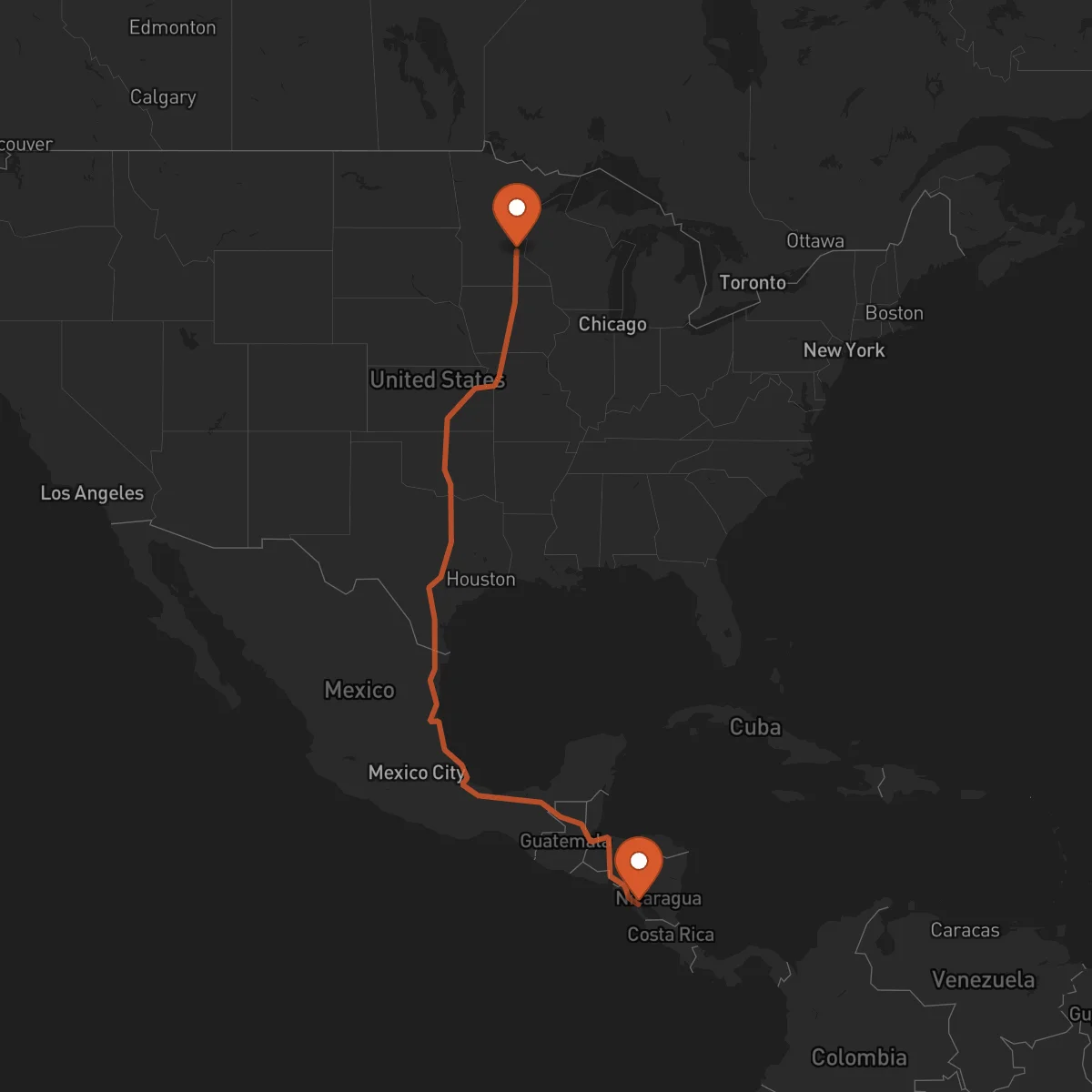
The Minneapolis to Masaya corridor represents a vital trade link connecting the industrial heartland of the United States with the emerging markets of Central America. This cross-border route spans approximately 3,733 kilometers, traversing diverse terrains and crossing multiple international boundaries. The corridor serves as a critical artery for commerce between North and Central America, facilitating the movement of goods that fuel economic growth on both ends.
The transportation infrastructure along this corridor includes major interstate highways in the United States, connecting to international routes that extend through Mexico and into Central America. Key border crossings at Laredo and other strategic points ensure efficient transit between countries. The route leverages existing trade agreements and customs procedures to streamline cross-border operations, though careful attention to documentation and compliance remains essential for successful shipments.
Control Terrestre specializes in managing the complexities of this corridor, offering dedicated FTL services that ensure your cargo moves efficiently from origin to destination. Our experienced team understands the nuances of cross-border regulations, customs requirements, and the specific challenges of transporting goods through multiple jurisdictions. We coordinate every aspect of the journey, from pickup in Minneapolis to final delivery in Masaya, providing reliable door-to-door service that keeps your supply chain running smoothly.
Services for this Route
Available services for the corridor Minneapolis - Masaya
 Origin
Minneapolis
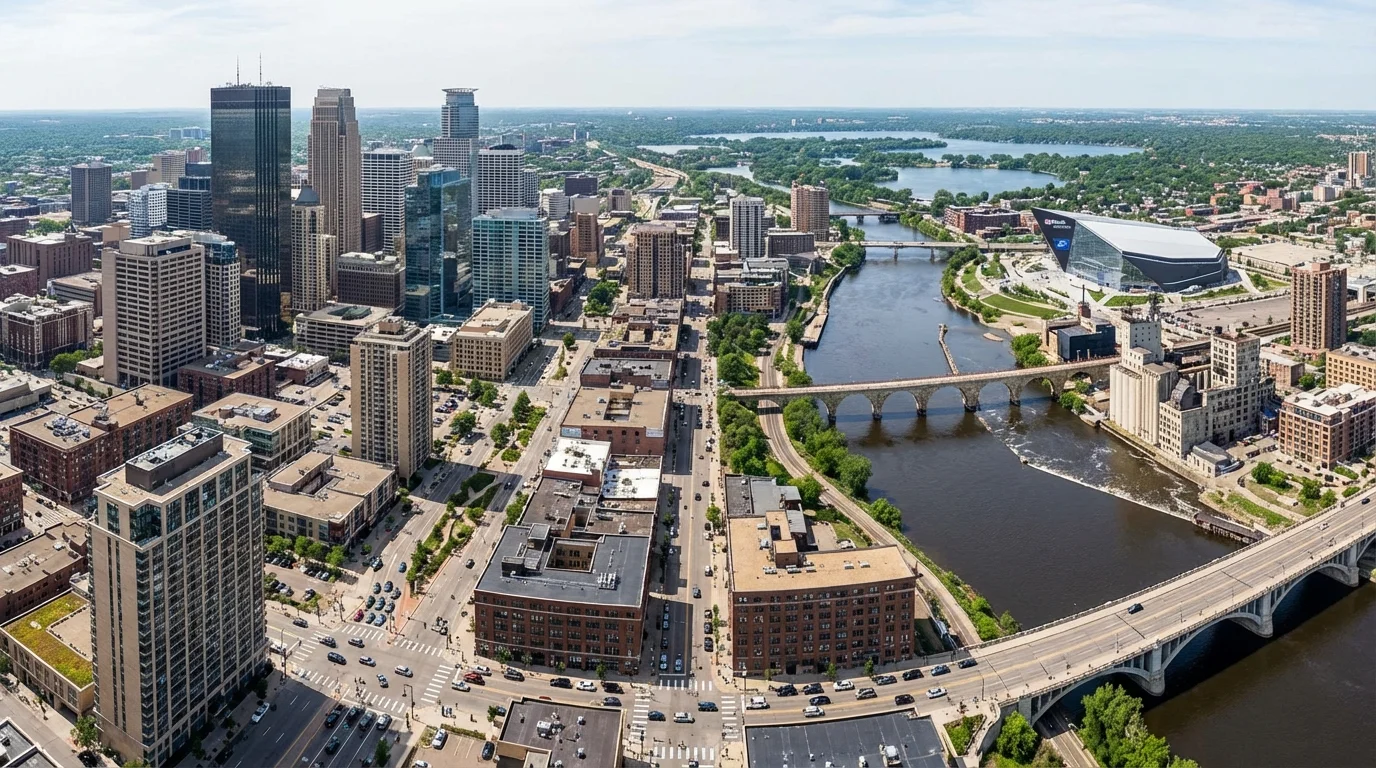
Minneapolis serves as a strategic logistics hub in the Upper Midwest, benefiting from its central location and robust transportation infrastructure. The city's economy is driven by diverse industries including manufacturing, healthcare, technology, and food processing. Minneapolis benefits from excellent connectivity through major interstate highways, rail networks, and proximity to international airports. The region's cold climate and agricultural surroundings make it a key center for food production and distribution, while its industrial base supports a strong manufacturing sector that requires reliable freight transportation solutions.
 Destination
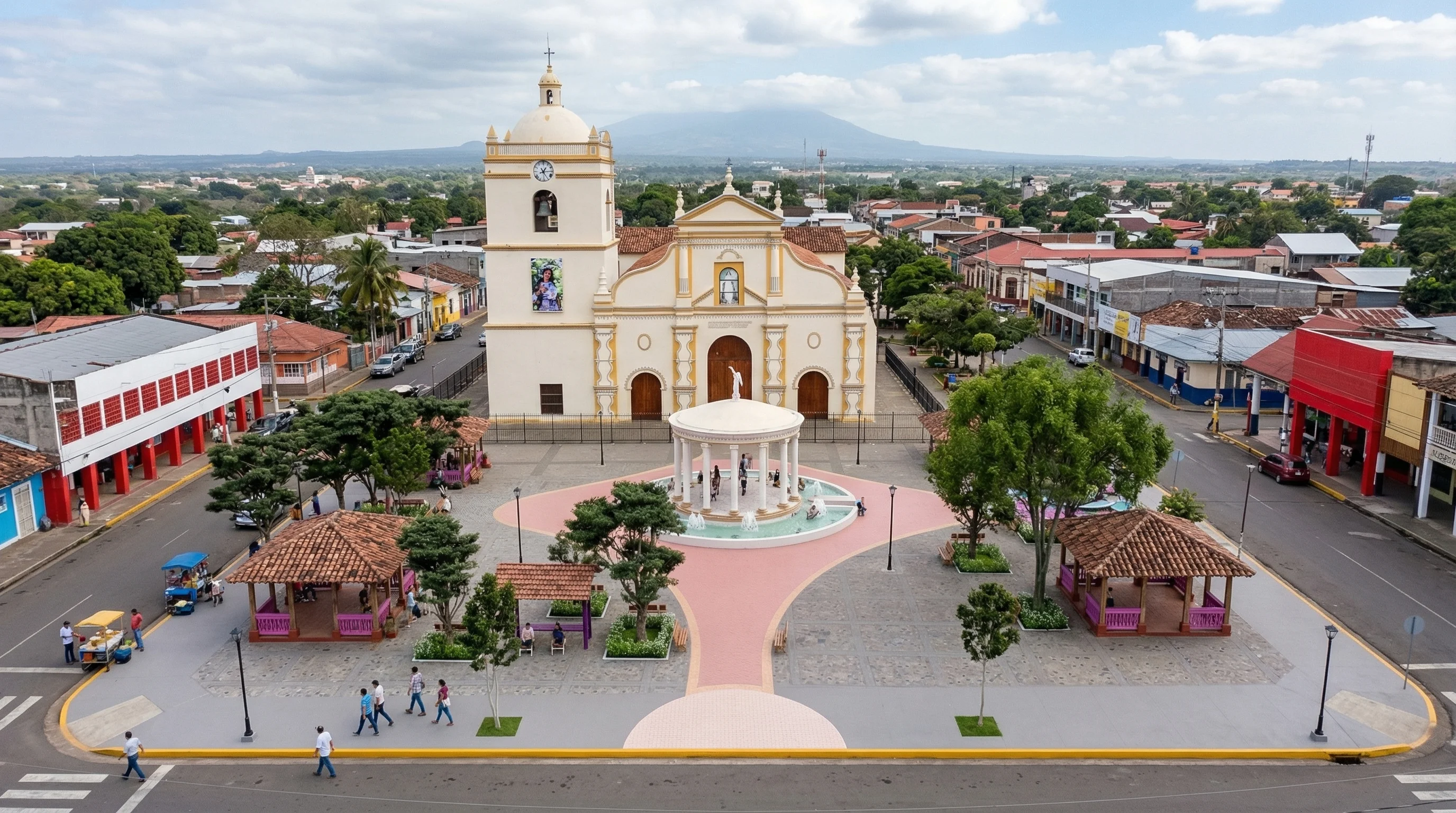
Masaya, located in Nicaragua, represents an emerging commercial center in Central America with growing industrial and agricultural sectors. The city's strategic position in the Pacific region of Nicaragua provides access to both domestic markets and international trade routes. Masaya's economy includes manufacturing, agriculture, and increasingly, export-oriented industries. The region benefits from improving transportation infrastructure, including highways that connect to major ports and border crossings. The city's development as a commercial center makes it an important destination for freight services connecting North and Central American markets.










