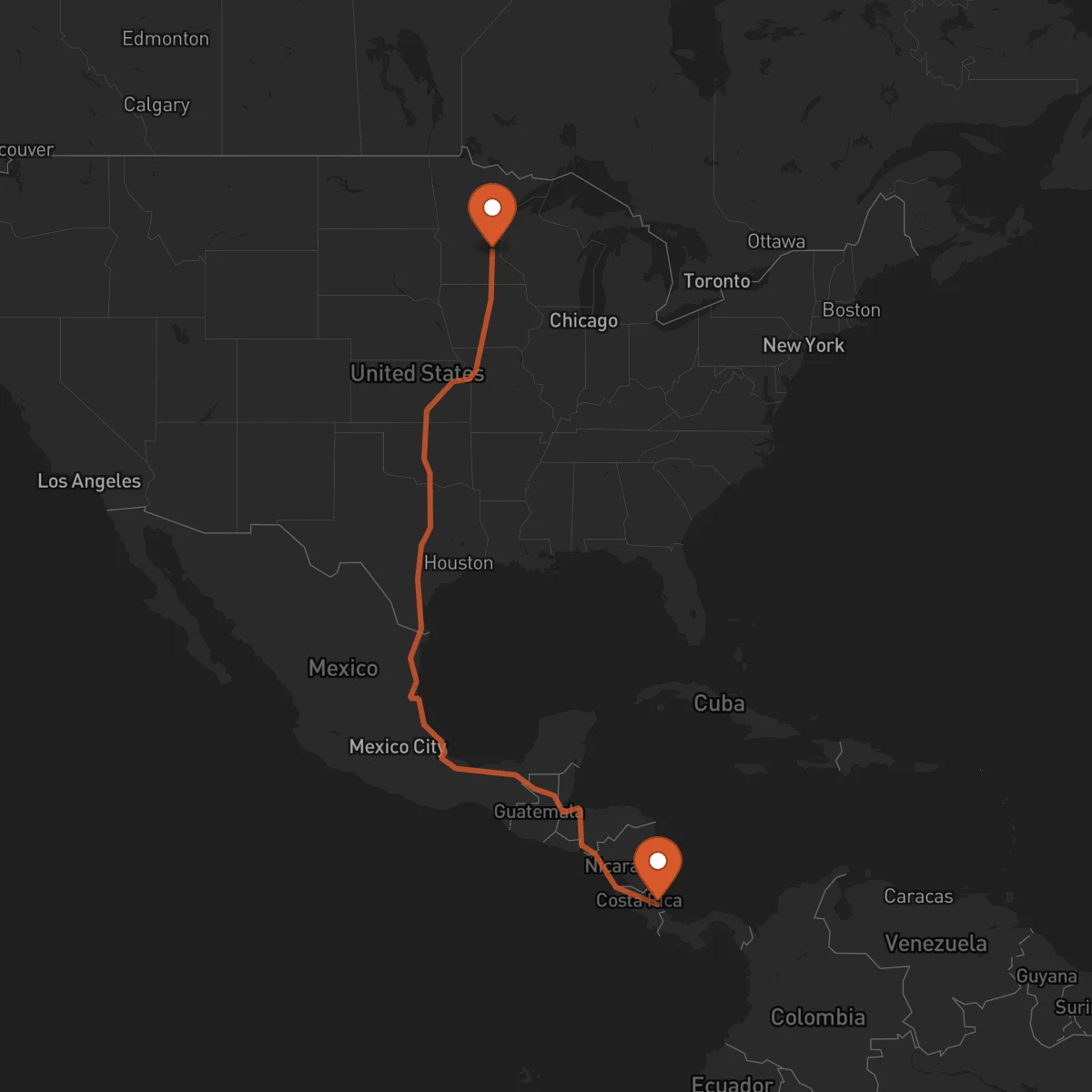
Minneapolis to Limón
Limón → MinneapolisFTL freight transportation service between Minneapolis and Limón. Reliable logistics solutions for your business.
Route Description
Everything you need to know about the corridor Minneapolis - Limón
The Minneapolis to Limón corridor represents a vital cross-border logistics route connecting the industrial heartland of the United States with Costa Rica's primary Caribbean port. This strategic corridor spans approximately 4,012 kilometers, facilitating the movement of goods between the Upper Midwest and Central America's growing economy. The route traverses diverse terrains and crosses multiple international borders, requiring expert coordination and specialized knowledge of customs procedures. This corridor is particularly significant for companies engaged in international trade between North America and Central America, offering a direct connection between Minneapolis's manufacturing centers and Limón's maritime facilities.
This transportation corridor serves a diverse range of industries, with particular emphasis on automotive parts, agricultural products, consumer goods, and industrial equipment. The route's importance has grown significantly with increasing trade between the United States and Central American markets, particularly as companies seek efficient ways to distribute products throughout the region. The corridor benefits from well-developed infrastructure, including major interstate highways in the United States and established road networks through Mexico and Central America, though careful planning is required to navigate varying road conditions and regulatory environments.
Control Terrestre specializes in managing the complexities of this cross-border corridor, offering comprehensive FTL services that ensure seamless transportation from origin to destination. Our expertise includes navigating customs requirements at multiple border crossings, coordinating with local authorities, and providing real-time tracking throughout the journey. We understand the unique challenges of this route, including varying regulations, documentation requirements, and the need for specialized handling of different cargo types. Our strategic partnerships with local carriers and customs brokers ensure that your freight moves efficiently and securely across all borders, minimizing delays and optimizing delivery times.
Services for this Route
Available services for the corridor Minneapolis - Limón
 Origin
Minneapolis
Minneapolis, Minnesota serves as a strategic logistics hub in the Upper Midwest, offering exceptional connectivity through its robust transportation infrastructure. The city's location provides access to major interstate highways including I-35 and I-94, connecting to national freight networks and international borders. Minneapolis benefits from its proximity to the Twin Cities metropolitan area, which hosts numerous manufacturing facilities, distribution centers, and warehousing operations. The region's strong industrial base includes food processing, medical devices, electronics, and agricultural equipment manufacturing, creating consistent freight movement demands. The city's well-developed intermodal facilities, including rail connections and proximity to major airports, complement its road transportation capabilities, making it an ideal origin point for cross-border freight movements.
 Destination
Limón
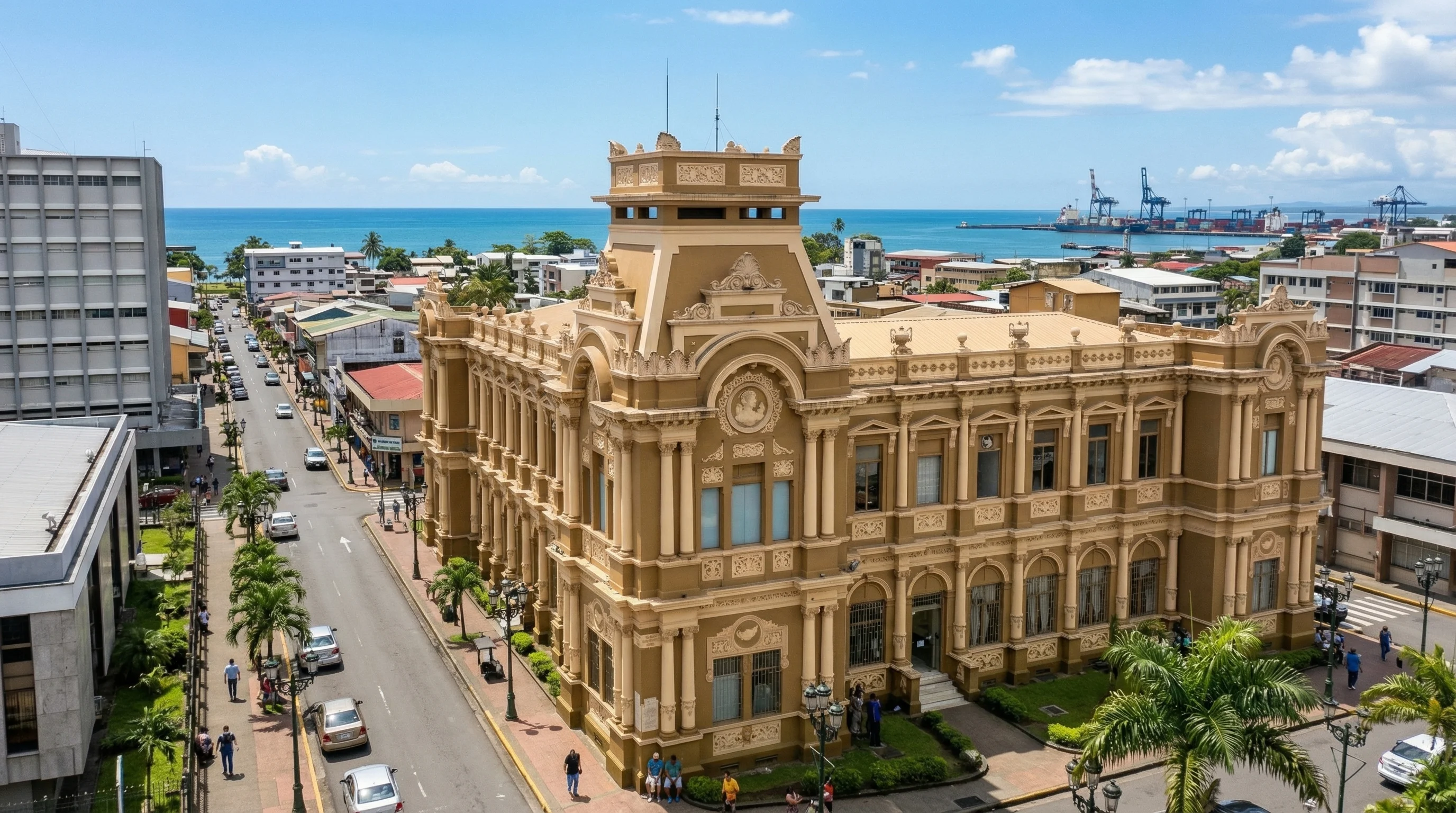
Limón, Costa Rica's primary Caribbean port city, serves as a crucial gateway for international trade in Central America. The port of Limón handles the majority of Costa Rica's maritime cargo, offering deep-water facilities capable of accommodating large vessels and containerized freight. The city's strategic location on the Caribbean coast provides direct access to both domestic markets and international shipping routes. Limón's economy is heavily oriented toward port activities, logistics services, and related industries, with significant infrastructure development supporting efficient cargo handling and distribution. The region's road network connects the port to major industrial centers throughout Costa Rica and neighboring countries, while the presence of free trade zones and industrial parks creates substantial freight movement opportunities. The port's modern facilities and customs operations facilitate smooth cross-border transactions for international freight.










