
Minneapolis to Chitré
Chitré → MinneapolisFTL freight transportation service between Minneapolis and Chitré. Reliable logistics solutions for your business.
Route Description
Everything you need to know about the corridor Minneapolis - Chitré
The Minneapolis-Chitré logistics corridor represents a vital cross-border connection between the industrial heartland of the United States and the strategic location of Panama. This 4,299 km route links the economic powerhouse of Minnesota with the commercial hub of Herrera province, facilitating the movement of goods between North and Central America. The corridor traverses diverse terrains and crosses multiple international borders, requiring specialized logistics expertise to ensure efficient and compliant operations.
The region's economic significance is substantial, with Minneapolis serving as a major distribution center for the Midwest and Chitré acting as a key commercial point in Panama's interior. This corridor supports industries ranging from agricultural products and manufacturing to consumer goods and industrial equipment. The route is particularly important for companies engaged in international trade between the United States and Panama, as well as those serving markets throughout Central America.
Key infrastructure along this corridor includes major highways such as I-35, I-29, and I-70 in the United States, connecting to Mexican federal highways and Central American road networks. The journey involves crossing the US-Mexico border at strategic points like Laredo or El Paso, continuing through Mexico, and entering Central America via established border crossings. Control Terrestre's expertise in cross-border operations ensures seamless navigation of customs procedures, regulatory compliance, and efficient cargo handling throughout this complex international journey.
Services for this Route
Available services for the corridor Minneapolis - Chitré
 Origin
Minneapolis
Minneapolis, Minnesota serves as a strategic logistics hub in the American Midwest, offering exceptional connectivity and infrastructure for freight transportation. The city's location provides access to major interstate highways including I-35, I-94, and I-90, facilitating efficient distribution throughout the region and beyond. Minneapolis benefits from its proximity to the Twin Cities metropolitan area, which hosts one of the largest inland ports in the United States and extensive warehousing and distribution facilities.
The region's economy is diverse and robust, with key industries including medical technology, food processing, retail, and advanced manufacturing. Major corporations headquartered in the area create substantial freight volumes, while the agricultural sector of Minnesota contributes significant cargo flows. The city's transportation infrastructure includes multiple rail connections, a major international airport, and the Mississippi River, providing multimodal options for freight movement. Minneapolis's strategic position makes it an ideal origin point for cross-border shipments to Central America and beyond.
 Destination
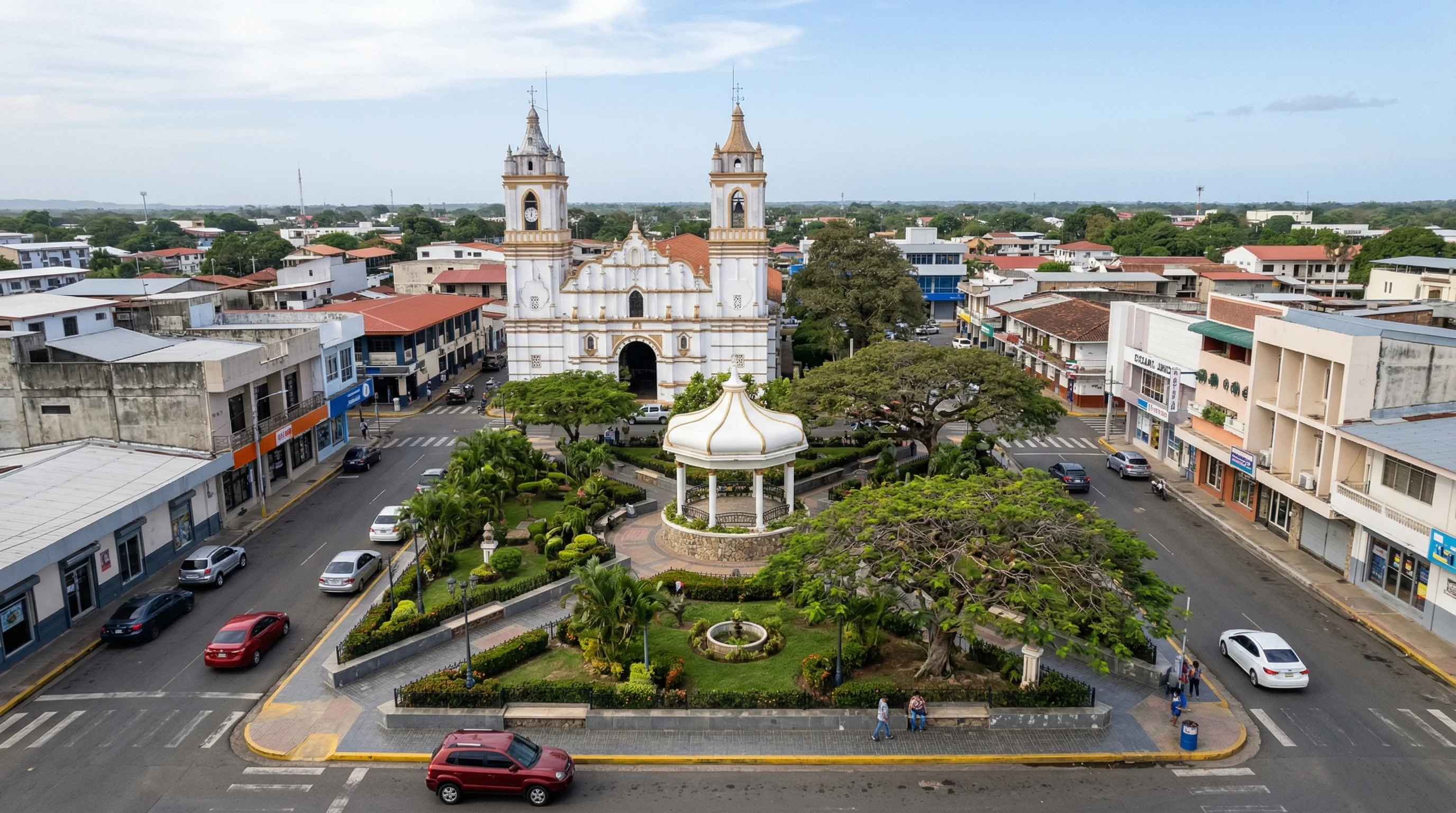
Chitré, located in Panama's Herrera province, occupies a strategic position as a commercial and agricultural center in the country's interior. The city serves as a vital link between Panama's Pacific coast and the rest of the country, with good road connections to major ports and urban centers. Its location in the heart of Panama's agricultural region makes it an important distribution point for both domestic and international markets.
The local economy is primarily based on agriculture, commerce, and light manufacturing, with significant activity in the production and distribution of rice, sugarcane, and other crops. Chitré's infrastructure includes well-maintained highways connecting to Panama City and other major destinations, as well as growing industrial and commercial zones. The city's role as a regional hub makes it an important destination for freight shipments, particularly for goods destined for distribution throughout Panama and neighboring countries. Its proximity to Panama's main transportation corridors ensures efficient access to both Atlantic and Pacific ports.










