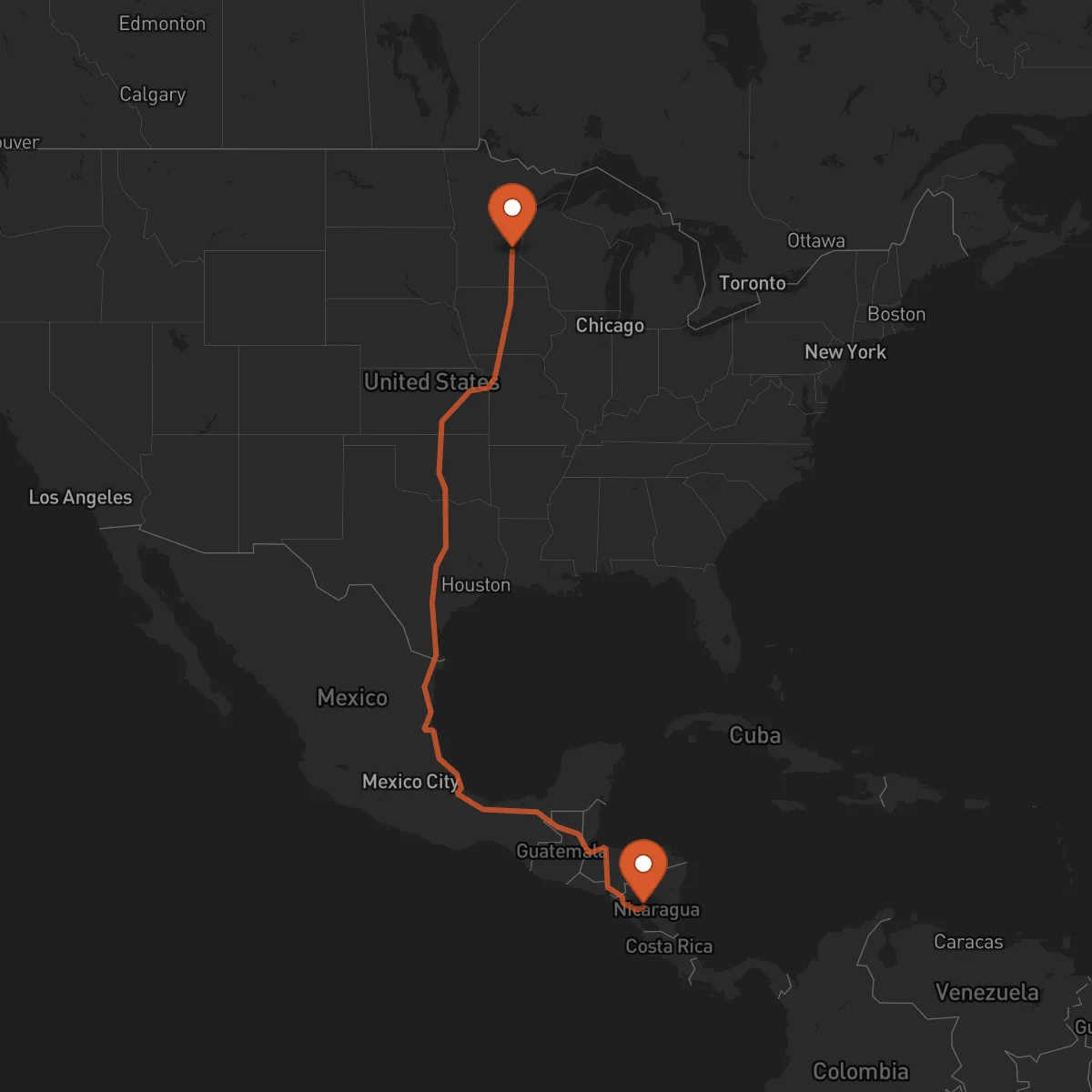
Minneapolis to Boaco
Boaco → MinneapolisFTL freight transportation service between Minneapolis and Boaco. Reliable logistics solutions for your business.
Route Description
Everything you need to know about the corridor Minneapolis - Boaco
The Minneapolis to Boaco corridor represents a vital cross-border connection between the United States and Nicaragua, spanning approximately 3,686 kilometers through diverse terrain and multiple international borders. This strategic route facilitates the movement of goods between the industrial heartland of Minnesota and the agricultural and manufacturing centers of Central America. The corridor traverses through key U.S. states including Wisconsin, Illinois, and Texas before crossing into Mexico and continuing through Guatemala, El Salvador, Honduras, and finally into Nicaragua. Control Terrestre specializes in managing this complex cross-border operation, ensuring seamless freight transportation across multiple jurisdictions while maintaining the highest standards of safety and compliance.
Services for this Route
Available services for the corridor Minneapolis - Boaco
 Origin
Minneapolis
Minneapolis serves as a crucial logistics hub in the Upper Midwest, strategically positioned at the crossroads of major interstate highways including I-35 and I-94. The city's location provides excellent connectivity to both coasts and the southern United States, making it an ideal origin point for cross-border freight operations. Minneapolis boasts a diverse industrial base including food processing, medical technology, retail distribution, and manufacturing sectors. The metropolitan area is home to one of the busiest cargo airports in the region and features extensive warehousing and distribution facilities. The city's robust transportation infrastructure, including multiple Class I rail lines and an extensive network of highways, enables efficient freight consolidation and distribution for international shipments.
 Destination
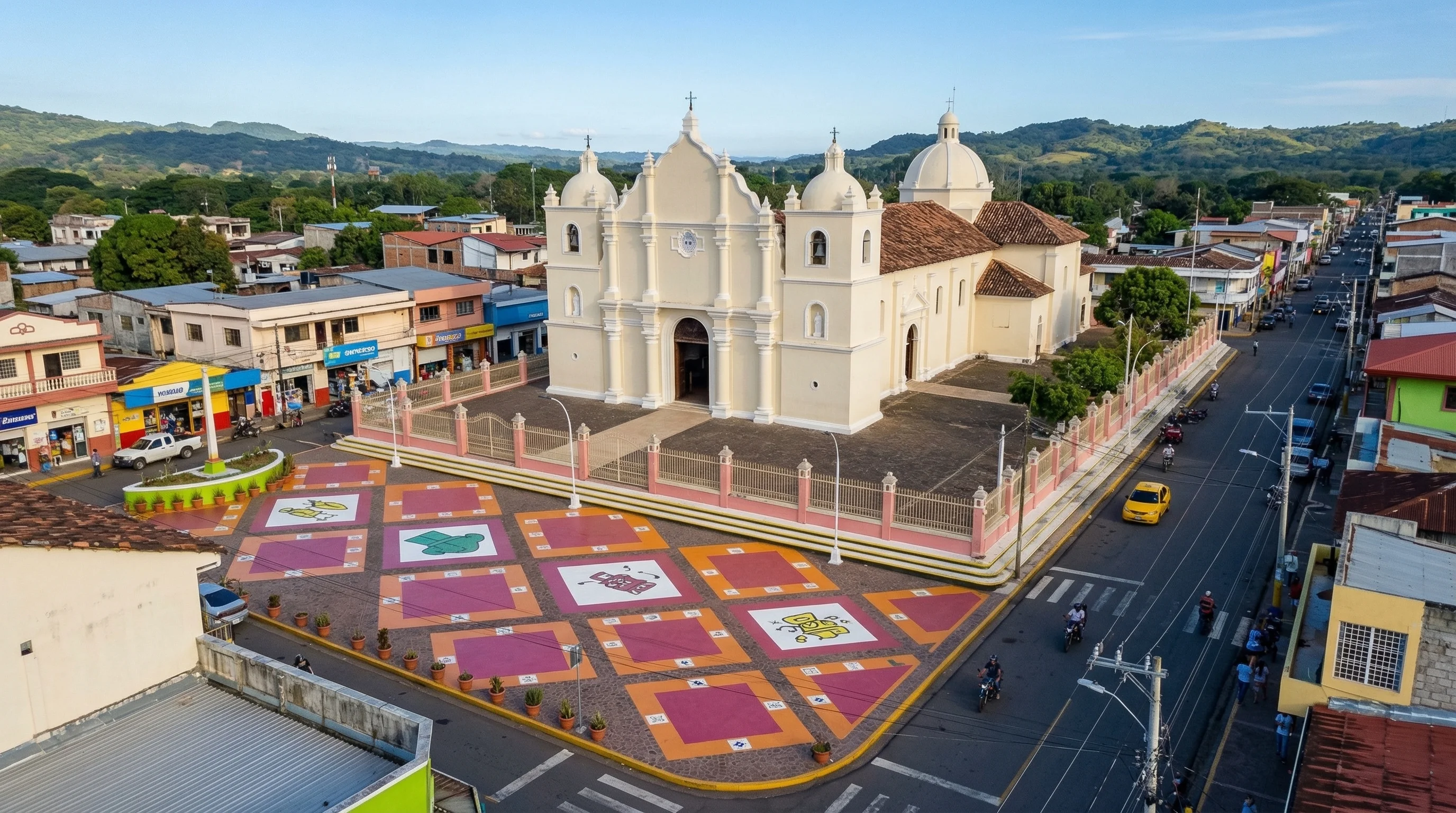
Boaco, located in central Nicaragua, serves as an important commercial and agricultural center in the country's interior. The city's strategic position in the heart of Nicaragua's agricultural region makes it a key destination for both raw materials and finished goods. Boaco's economy is primarily driven by agriculture, livestock, and emerging manufacturing sectors, with growing demand for industrial equipment, consumer goods, and agricultural supplies. The city is connected to Nicaragua's main transportation corridors via the Pan-American Highway and regional routes, providing access to major ports including Corinto and Puerto Sandino. Boaco's developing logistics infrastructure supports the growing cross-border trade with North America, particularly in agricultural products and manufactured goods.










