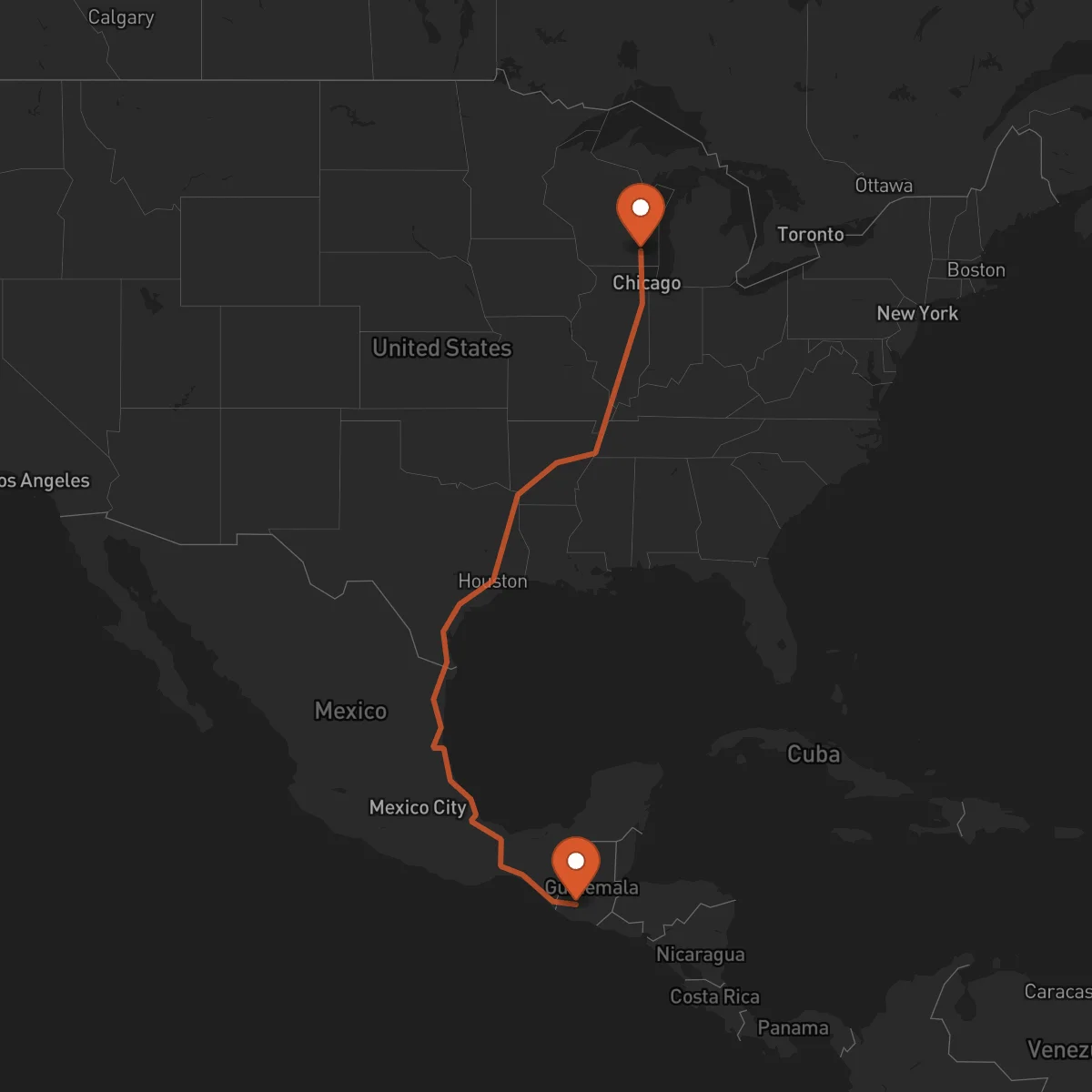
Milwaukee to Sololá
Sololá → MilwaukeeFTL freight transportation service between Milwaukee and Sololá. Reliable logistics solutions for your business.
Route Description
Everything you need to know about the corridor Milwaukee - Sololá
The Milwaukee to Sololá corridor represents a critical North-South trade artery connecting the industrial heartland of the United States with the vibrant markets of Central America. This cross-border route facilitates the essential flow of goods between a major U.S. manufacturing and distribution hub and a key economic region in Guatemala's highlands. Strategically, it bridges the Great Lakes logistics network with Central American supply chains, supporting bilateral trade in manufactured goods, agricultural products, and industrial components.
Economically, the corridor serves a diverse industrial landscape. From Milwaukee, shipments often include automotive parts, machinery, packaged food and beverage products, and construction materials. Conversely, traffic toward Sololá and Guatemala frequently involves consumer goods, raw materials for local industry, and equipment for the region's significant agricultural and textile sectors. The consistent demand is driven by the integrated manufacturing sectors in the U.S. and the consumer and production needs of Guatemala's interior.
Transportation infrastructure relies on a combination of major U.S. interstates and Mexican federal highways. The primary route typically utilizes I-94 south from Milwaukee through Chicago, connecting to I-55 toward Laredo, Texas. After crossing into Mexico, the journey continues via highways such as 57 and 150 before reaching the Guatemala-Mexico border. The principal border crossing for this corridor is at Tecún Umán / Ciudad Hidalgo. Navigating customs requires expertise in Mexican and Guatemalan regulations. Control Terrestre streamlines this process by leveraging our alliance of providers who hold critical certifications like C-TPAT and FAST for U.S. export/import, and BASC for security standards in Latin America, ensuring compliant and efficient cross-border movement.
We facilitate seamless operations on this corridor through our exclusive focus on full truckload (FTL) solutions. Our network provides dedicated, expedited, and specialized cargo options, including dry vans, refrigerated units for perishables, and flatbeds for oversized equipment. With door-to-door service and deep experience in cross-border documentation and customs brokerage coordination, we manage the entire journey from Milwaukee's docks to Sololá's final destinations, offering a single point of contact for a complex international route.
Services for this Route
Available services for the corridor Milwaukee - Sololá
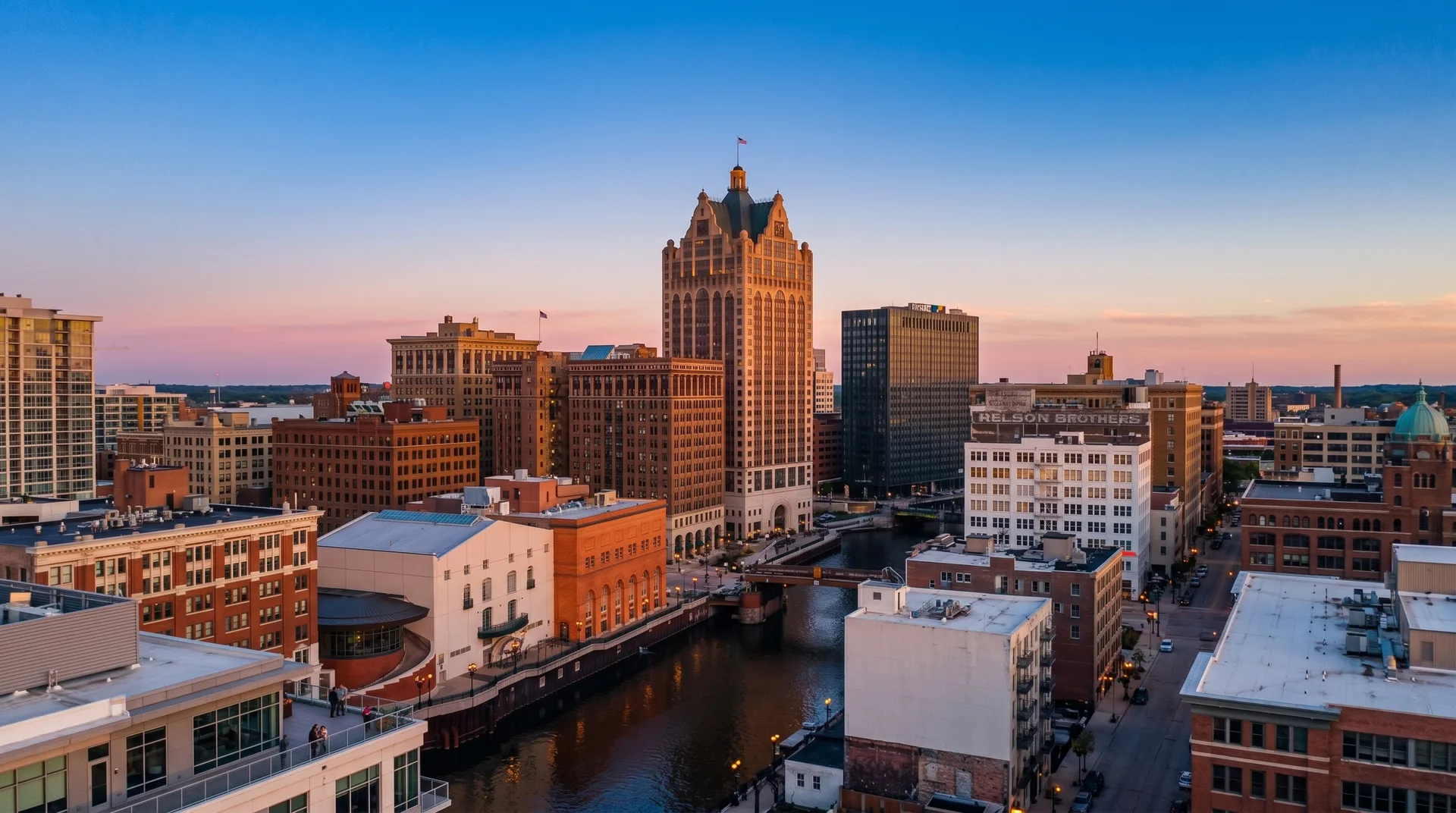 Origin
Milwaukee
Milwaukee, Wisconsin, is a strategic logistics origin due to its prime location on the western shore of Lake Michigan, providing multi-modal connectivity. It serves as a major distribution center for the Upper Midwest, with strong ties to the Great Lakes-St. Lawrence Seaway system via the Port of Milwaukee. The city's economy is anchored by robust manufacturing sectors, including machinery, food and beverage production (notably brewing), and automotive components. Its infrastructure is defined by key interstates (I-94, I-43, I-41), extensive rail networks, and Milwaukee Mitchell International Airport, creating a comprehensive hub for consolidating and dispatching full truckload freight southward into the national and continental supply chain.
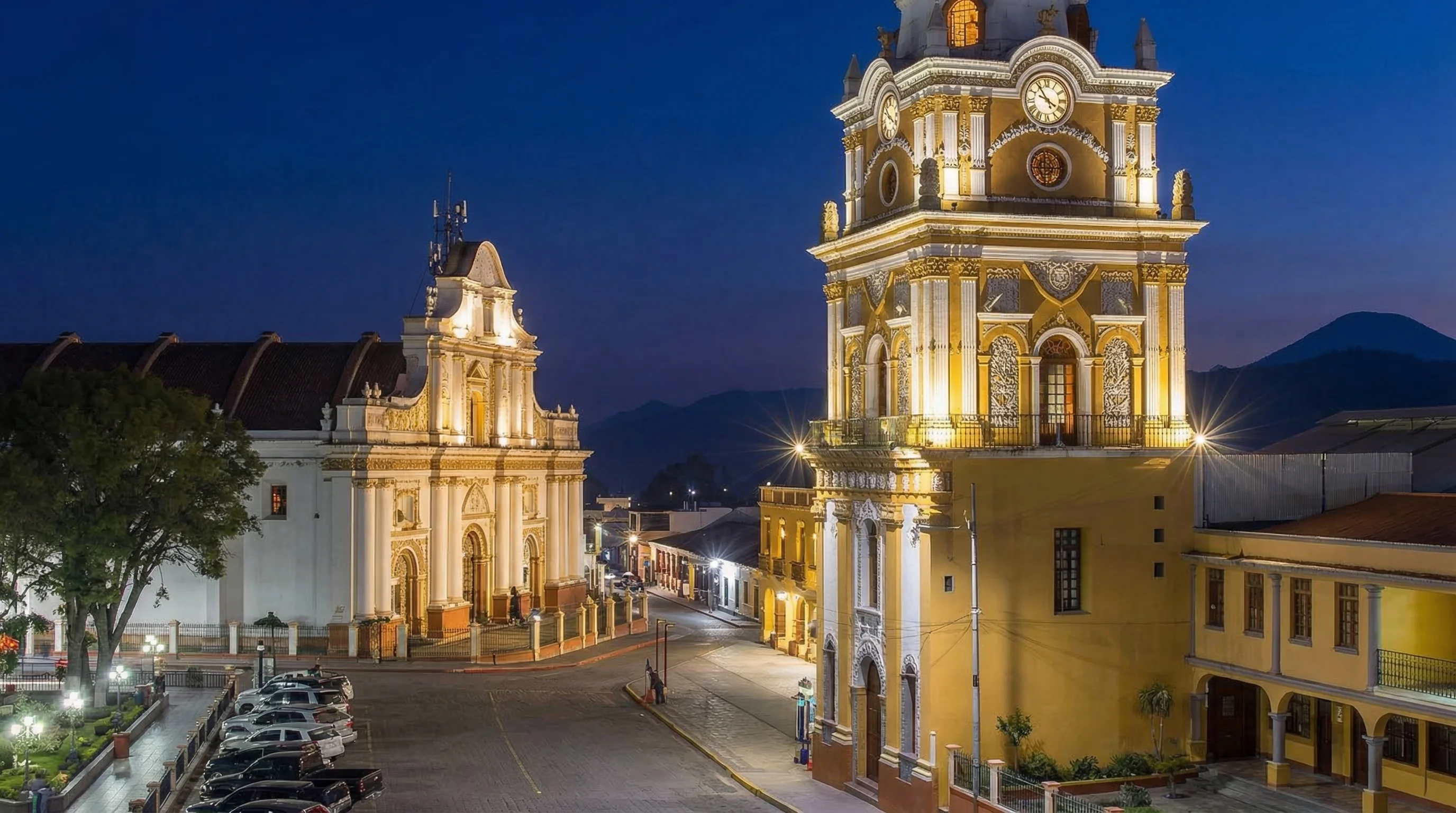 Destination
Sololá, located in the Guatemalan highlands, is a strategic destination for its role as a commercial and agricultural center for the region. The area is economically significant for coffee production, vegetable farming, and traditional textile manufacturing, creating consistent demand for imported goods and export logistics. While the terrain presents mountainous challenges, the department is connected by paved roads linking it to Guatemala City and the primary port of Puerto Quetzal on the Pacific coast. This road network, though requiring experienced navigation, provides the vital last-mile connection for FTL freight arriving from North America, serving local industries and communities directly.










