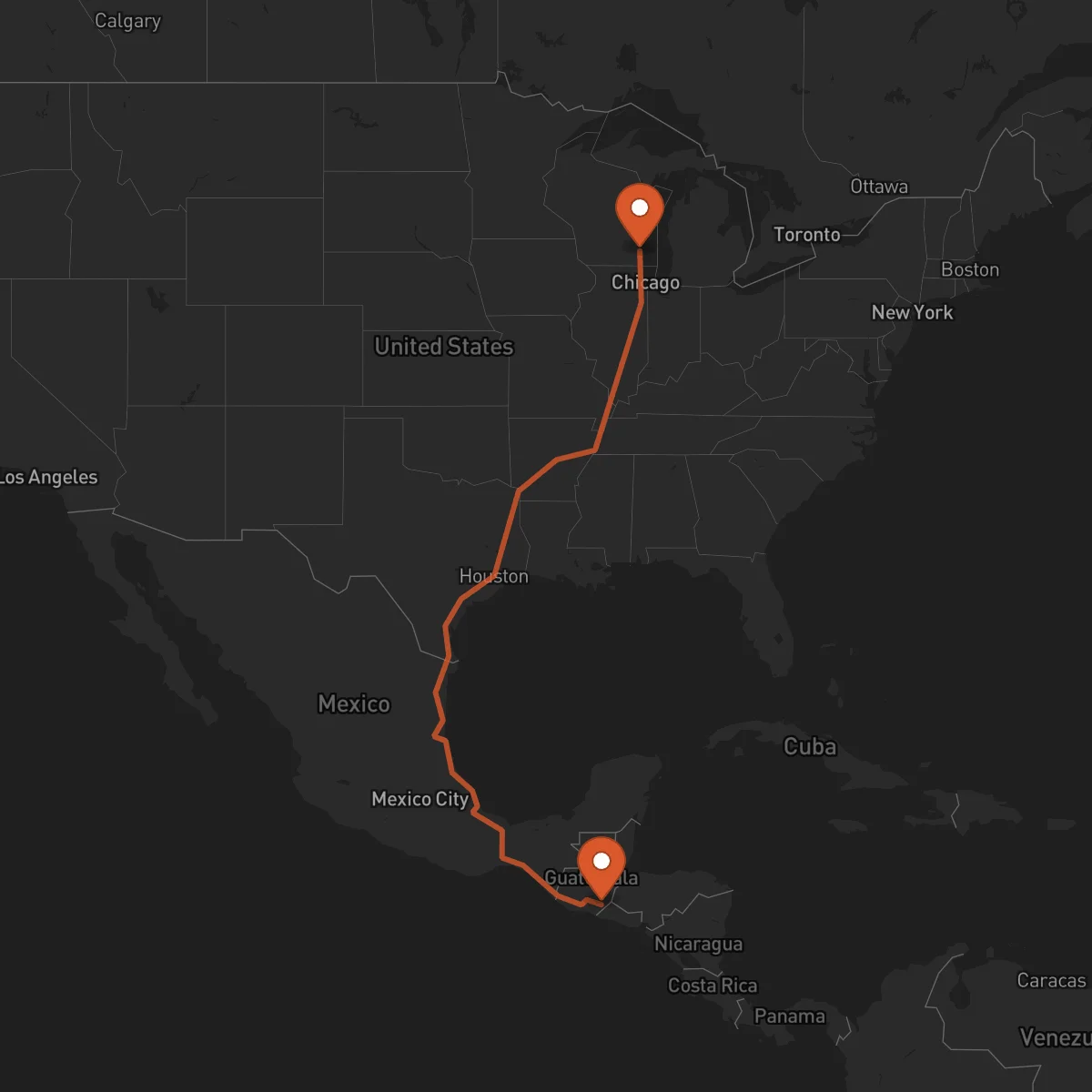
Milwaukee to Jutiapa
Jutiapa → MilwaukeeFTL freight transportation service between Milwaukee and Jutiapa. Reliable logistics solutions for your business.
Route Description
Everything you need to know about the corridor Milwaukee - Jutiapa
The Milwaukee to Jutiapa corridor is a critical north-south logistics artery connecting the industrial heartland of the U.S. Midwest with the vibrant markets of Central America. This strategic route facilitates the essential flow of goods, raw materials, and finished products across a diverse economic landscape, underpinning trade between the United States and Guatemala. The corridor's importance is magnified by its role in supporting key manufacturing and agricultural sectors on both ends, making efficient, reliable full truckload (FTL) transportation a cornerstone of regional supply chain stability.
Economically, the corridor bridges two robust production zones. Milwaukee, Wisconsin, is a historic manufacturing hub with strengths in heavy machinery, automotive components, food processing, and industrial equipment. Jutiapa, Guatemala, serves as a vital agricultural and textile center, exporting coffee, sugar, fruits, vegetables, and apparel. The primary industries utilizing this route include automotive parts suppliers, food and beverage manufacturers, industrial equipment distributors, and agricultural commodity handlers moving products to processing or export points.
Infrastructure along the route is defined by a sequential network of major highways. The journey begins on U.S. Interstate 94 (I-94) from Milwaukee, transitioning to I-39/I-90 south through Wisconsin and Illinois. Key continuations include U.S. Route 61/151 through Iowa and Missouri, connecting to I-35 in Kansas City. South of the border, the route relies heavily on Mexican Federal Highway 190 (Carretera Federal 190) traversing the length of Mexico from the north to the Guatemalan border. The final segment uses Guatemalan CA-1 and local networks to reach Jutiapa.
The principal international border crossing for this corridor is between Ciudad Hidalgo, Chiapas, Mexico, and Tecún Umán, San Marcos, Guatemala. Navigating this crossing requires meticulous customs compliance. Control Terrestre facilitates seamless operations on this complex corridor through our alliance of certified transportation providers. Our partners hold essential credentials like C-TPAT, FAST, and BASC, which streamline U.S. and Mexican customs procedures. We manage the entire cross-border process, ensuring documentation for Mexican customs (including the mandatory Pedimento) and Guatemalan import requirements is handled proficiently. Our expertise in dedicated and specialized FTL services means we provide the consistent capacity, security, and regulatory knowledge necessary to move your full truckloads efficiently from Milwaukee's factories to Jutiapa's distribution points.
Services for this Route
Available services for the corridor Milwaukee - Jutiapa
 Origin
Milwaukee
Milwaukee, Wisconsin, is a premier strategic logistics origin due to its deep-rooted industrial base and superior multimodal connectivity. As a core component of the U.S. Rust Belt, the metro area is a national leader in manufacturing sectors including heavy machinery, industrial equipment, automotive parts, food processing, and brewing. This concentration of production generates immense outbound freight demand. The city's infrastructure is robust, featuring direct access to the Great Lakes via the Port of Milwaukee, extensive Class I railroad service (Union Pacific, Canadian Pacific, and CSX), and a major international airport. Critically for overland transport, Milwaukee is the western terminus of I-94, a primary interstate corridor linking Chicago, Detroit, and Minneapolis, providing a direct, high-capacity gateway southward into the national highway network.
 Destination
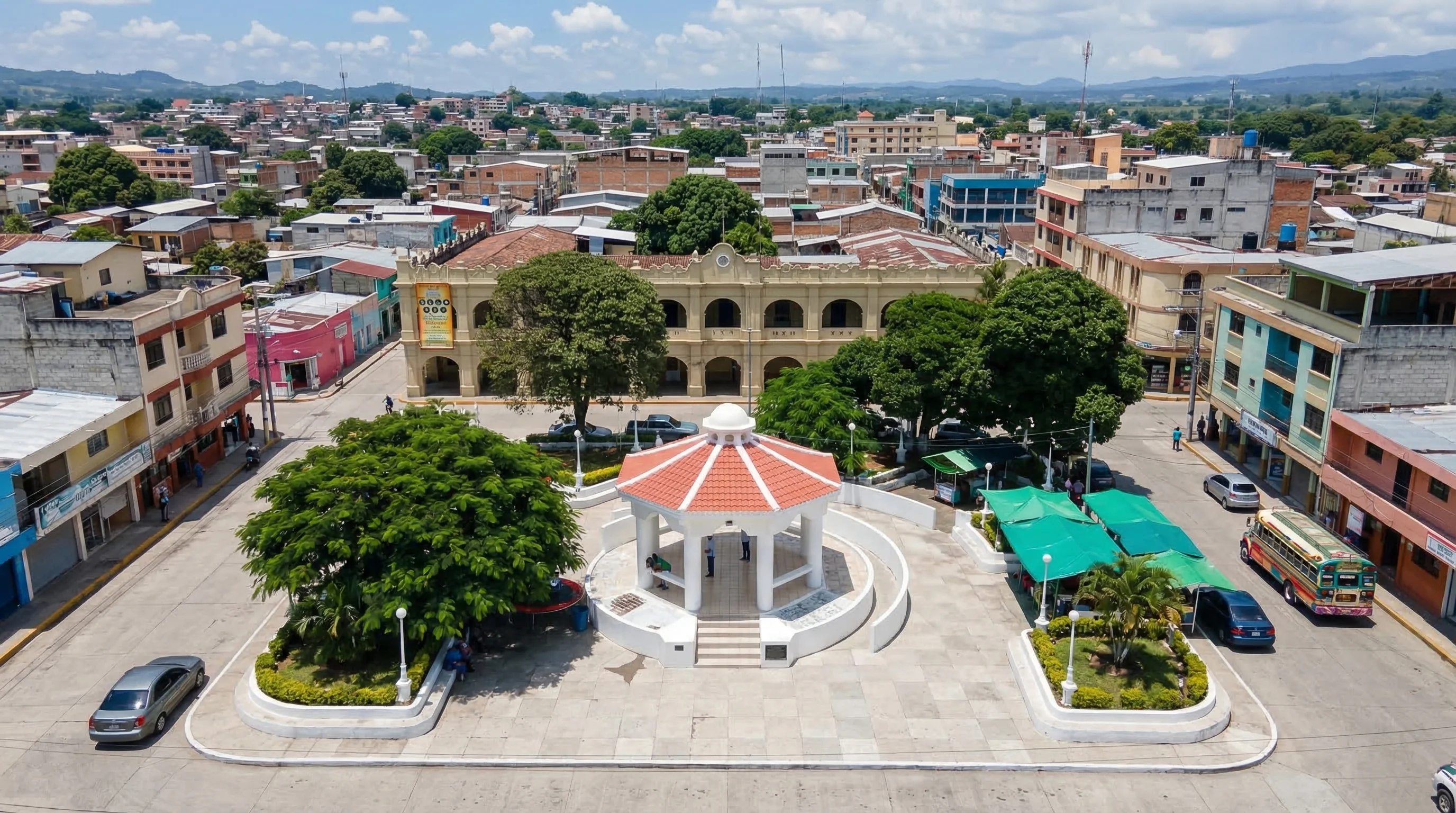
Jutiapa, located in southeastern Guatemala, is a strategically important logistics destination as the capital of its department and a central hub for the country's agricultural and industrial exports. The region is a breadbasket for Guatemala, with primary economic sectors encompassing large-scale agriculture (sugar cane, coffee, palma africana, fruits, and vegetables) and a significant textile/apparel manufacturing industry. Its location provides direct access to key southern export routes. The municipality is well-connected by the Pan-American Highway (CA-1), which runs east-west and links to the primary north-south corridor (CA-2) that connects to the Mexican border at Tecún Umán. This road infrastructure supports efficient distribution from Jutiapa's production zones to the main border crossing and onward to Central American markets.










