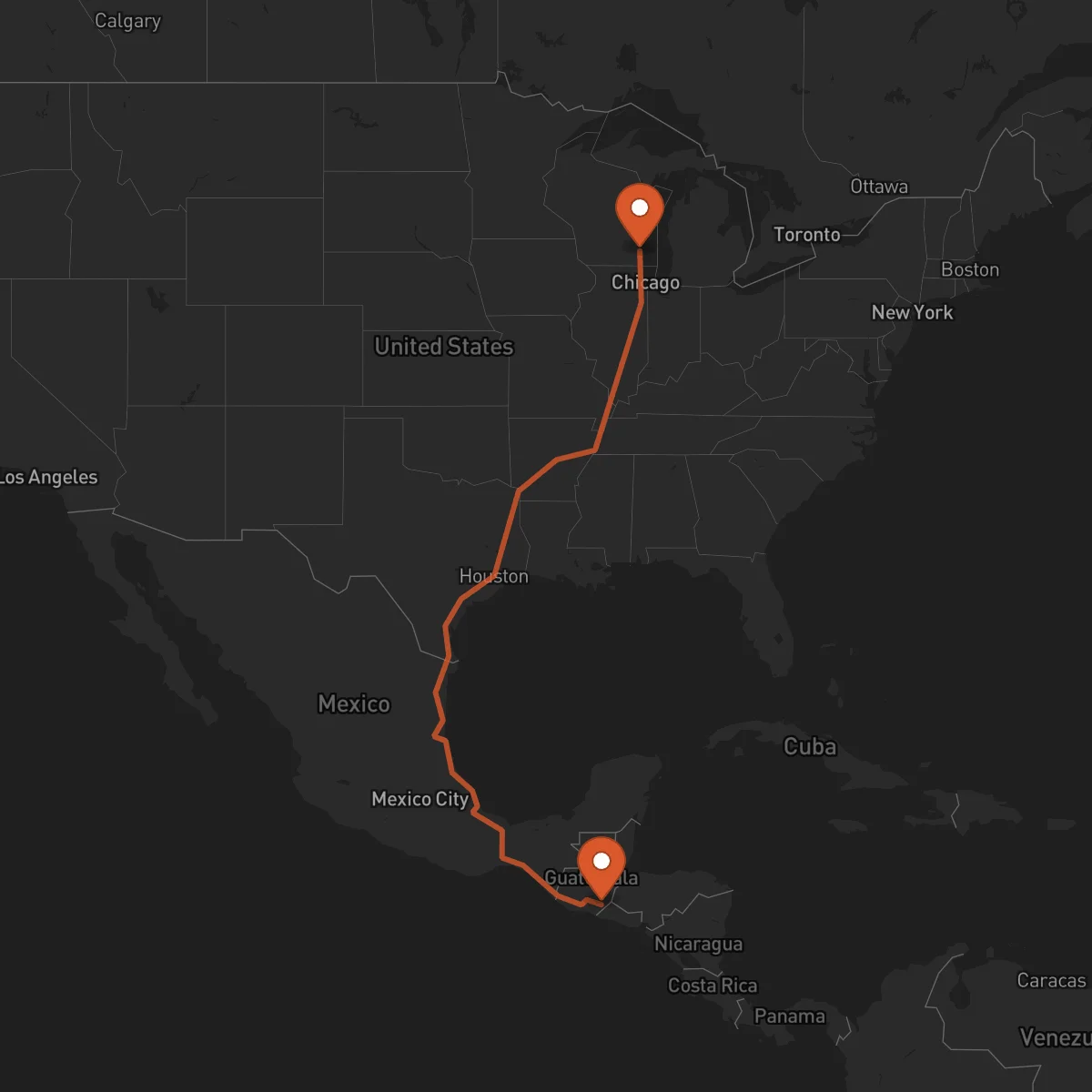
Jutiapa to Milwaukee
Milwaukee → JutiapaFTL freight transportation service between Jutiapa and Milwaukee. Reliable logistics solutions for your business.
Route Description
Everything you need to know about the corridor Jutiapa - Milwaukee
The Jutiapa-to-Milwaukee corridor is a critical north-south artery connecting Guatemala's productive heartland with the industrial Midwest of the United States. This cross-border route serves as a vital economic bridge, facilitating the movement of goods between Central America and a major U.S. consumer and manufacturing hub. Its strategic importance lies in enabling efficient supply chain flows for industries on both ends, reducing dependency on coastal ports for inland destinations and offering a direct land bridge for time-sensitive and high-value freight.
Economically, this corridor links Guatemala's robust agricultural and manufacturing sectors with Wisconsin's diverse industrial base. Key industries leveraging this route include agricultural exporters (coffee, sugar, produce), textile and apparel manufacturers, and producers of processed foods from Guatemala, moving goods to U.S. distributors and retailers. Conversely, it supports the inbound flow of raw materials, machinery, and consumer goods for Guatemalan industries from U.S. suppliers. The corridor's efficiency directly impacts the competitiveness of these supply chains.
Transportation infrastructure primarily follows the Pan-American Highway (CA-1) north from Jutiapa through Guatemala and Mexico, connecting to the U.S. Interstate system via Texas. The main U.S. leg utilizes I-35 north to I-90/I-94, terminating in Milwaukee. The pivotal border crossing is at Tecún Umán, Guatemala / El Carmen, Mexico, a major gateway for Guatemalan freight. Customs and compliance are paramount; successful navigation requires expertise in Mexican and U.S. regulations, documentation (like NAFTA/USMCA certificates), and security programs. Control Terrestre facilitates seamless operations on this corridor through our strategic alliance network. Our providers hold essential certifications like C-TPAT and FAST, which expedite U.S. customs clearance. We manage the entire cross-border process, from origin pickup in Jutiapa to final delivery in Milwaukee, coordinating drayage, customs brokerage, and linehaul with dedicated, experienced partners. This ensures a single point of contact and a streamlined, compliant journey for your full truckload cargo, optimizing transit reliability across this complex international route.
Services for this Route
Available services for the corridor Jutiapa - Milwaukee
 Origin
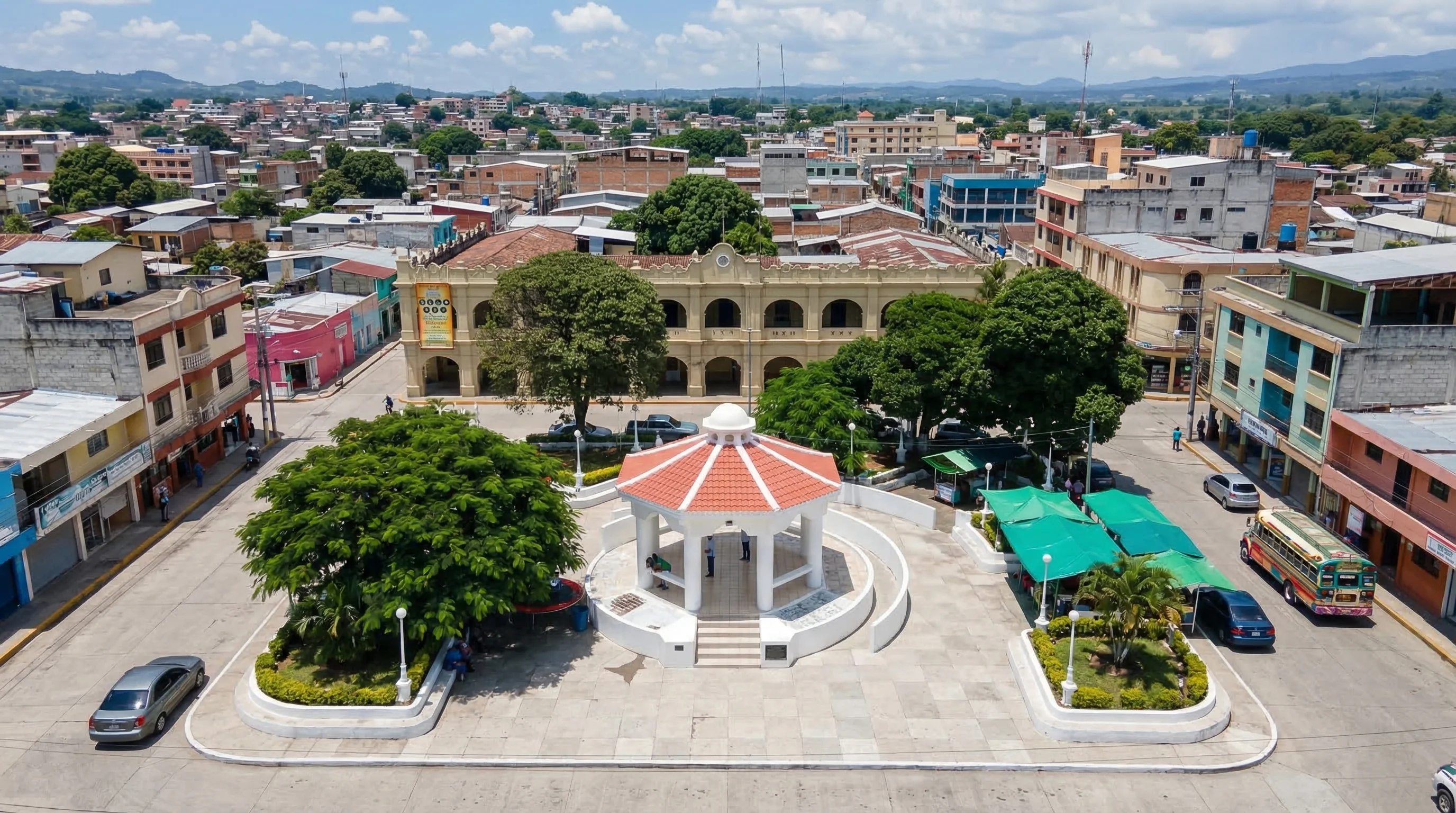
Jutiapa, located in southeastern Guatemala near the border with El Salvador and the Pacific coast, holds a strategic logistics position for Central American freight. Its proximity to major agricultural zones and the port of Puerto Quetzal makes it a key origination point for export goods. The region's economy is anchored by agriculture (sugarcane, coffee, tobacco), livestock, and a growing textile manufacturing sector. This creates consistent demand for outbound full truckload services. Transportation infrastructure is centered on the CA-1 highway (Pan-American), which provides the primary north-south connection through Guatemala to the Mexican border. This highway network supports efficient collection of freight from Jutiapa and surrounding departments for consolidation onto long-haul trucks destined for the U.S. border. The area's logistics ecosystem is tailored for moving bulk agricultural commodities and manufactured goods, making it a well-established origin for cross-border freight.
 Destination
Milwaukee
Milwaukee, Wisconsin, is a premier logistics and industrial destination in the U.S. Midwest, strategically positioned on the western shore of Lake Michigan. It serves as a critical distribution hub for the Upper Midwest and Great Lakes region, with strong connections to Canada. The city's economy is historically rooted in manufacturing (machinery, food processing, brewing) and remains a center for advanced manufacturing, healthcare, and biotechnology. Key industries requiring inbound FTL services include food and beverage production, metal fabrication, and automotive parts suppliers. Its transportation infrastructure is exceptional, featuring direct access to I-94, I-43, and I-41, which form the core of the corridor's U.S. leg. The Port of Milwaukee offers Great Lakes shipping, and Milwaukee Mitchell International Airport handles air cargo. This multimodal strength, combined with its central location relative to major U.S. markets, makes Milwaukee a highly efficient and sought-after final destination for full truckload freight from Latin America.










