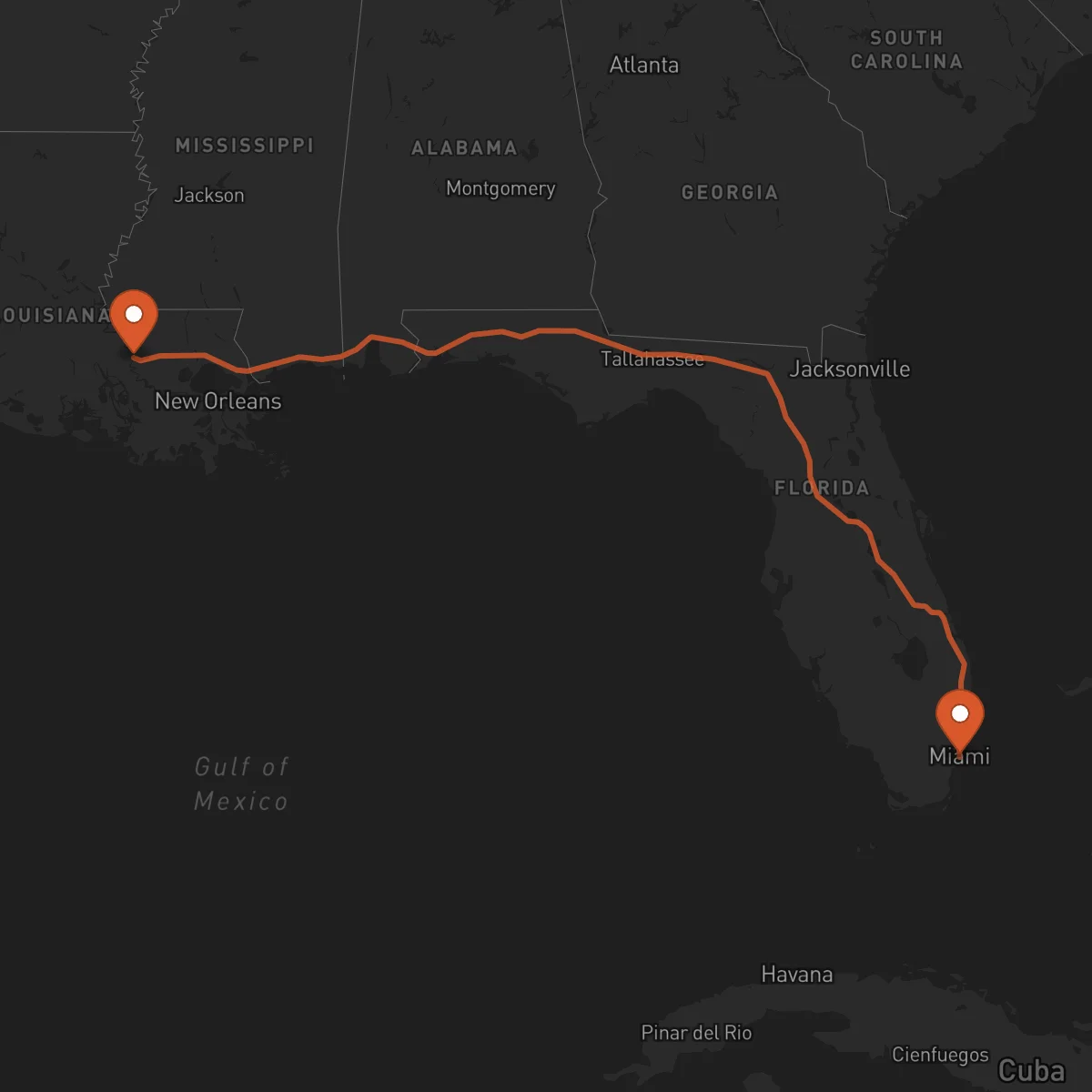
Miami to Baton Rouge
Baton Rouge → MiamiFTL freight transportation service between Miami and Baton Rouge. Reliable logistics solutions for your business.
Route Description
Everything you need to know about the corridor Miami - Baton Rouge
The logistics corridor connecting Miami, Florida to Baton Rouge, Louisiana spans approximately 1,197 kilometers, serving as a vital link between the southeastern United States and the Gulf Coast region. This domestic corridor traverses key economic zones, facilitating the movement of goods between major ports, industrial centers, and distribution hubs. The route primarily follows Interstate 10, one of the nation's most important east-west transportation arteries, providing reliable access for freight transportation across multiple states.
The Miami metropolitan area serves as a crucial gateway for international trade, with its extensive port facilities and airport infrastructure supporting diverse import and export activities. As goods move westward along this corridor, they pass through Florida's agricultural heartland and into the industrial corridor of the Gulf Coast. Baton Rouge, strategically positioned along the Mississippi River, functions as a major petrochemical and manufacturing center, making this route essential for the energy, chemical, and heavy industrial sectors.
Control Terrestre specializes in providing full truckload (FTL) transportation services along this critical corridor, offering dedicated solutions for companies requiring reliable, direct freight movement. Our network of certified carriers and strategic partnerships ensures seamless cross-state operations, with specialized equipment options including dry vans, refrigerated units, and flatbed trailers to accommodate various cargo types. We understand the unique requirements of industries operating along this route and provide tailored logistics solutions that optimize transit times and maintain cargo integrity throughout the journey.
Services for this Route
Available services for the corridor Miami - Baton Rouge
 Origin
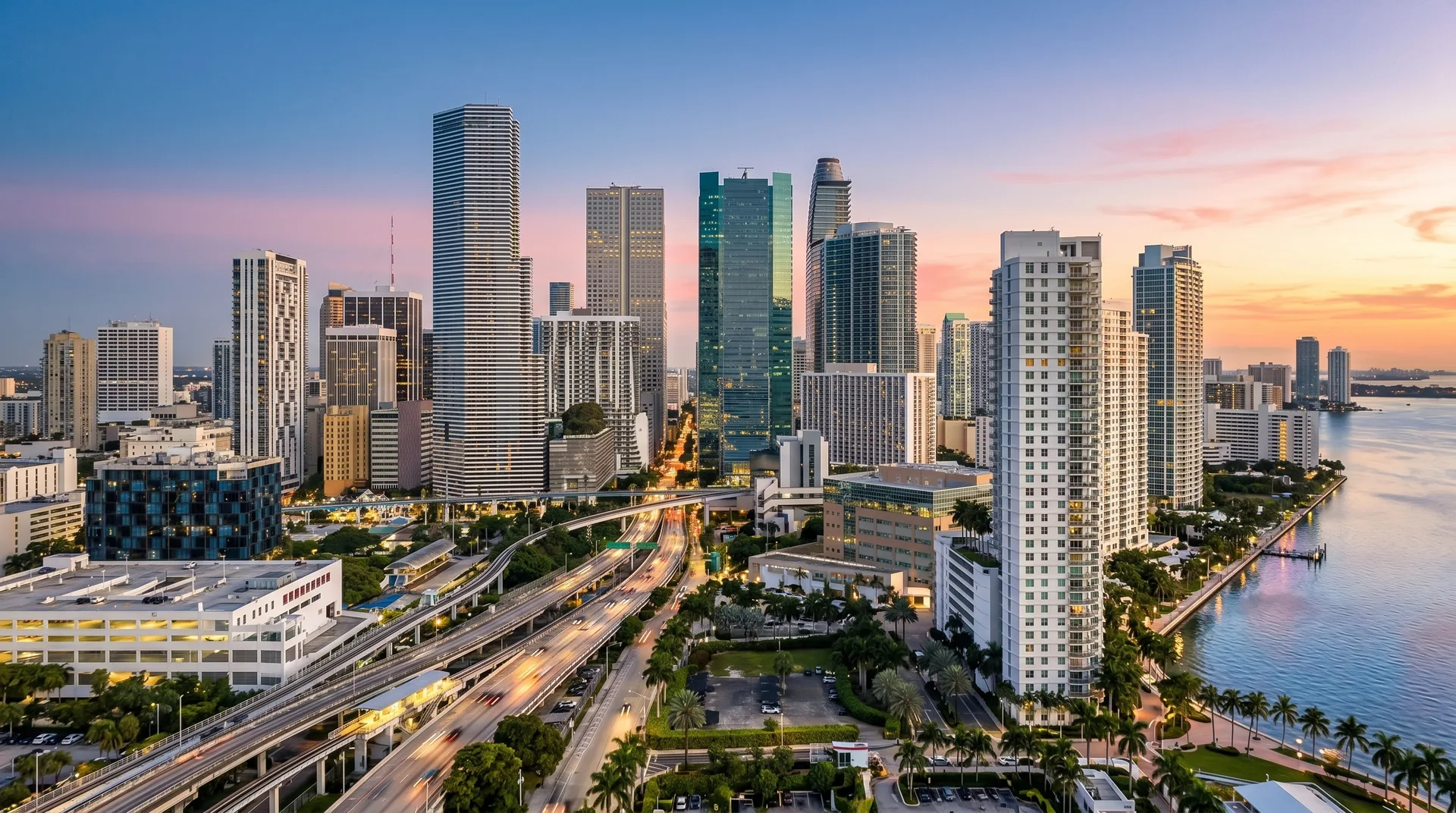
Miami
Miami stands as one of the most strategically important logistics hubs in the United States, serving as the primary gateway between North America and Latin America. The city's location at the southeastern tip of Florida provides direct access to major shipping lanes and international air cargo routes. Miami International Airport ranks among the top U.S. airports for international freight, while the Port of Miami handles significant volumes of containerized cargo, particularly from Caribbean and South American trade partners. The region's economy thrives on international trade, with strong sectors in electronics, pharmaceuticals, apparel, and perishable goods. Miami's extensive transportation infrastructure includes multiple interstate highways, rail connections, and intermodal facilities that seamlessly integrate with the broader national logistics network.
 Destination
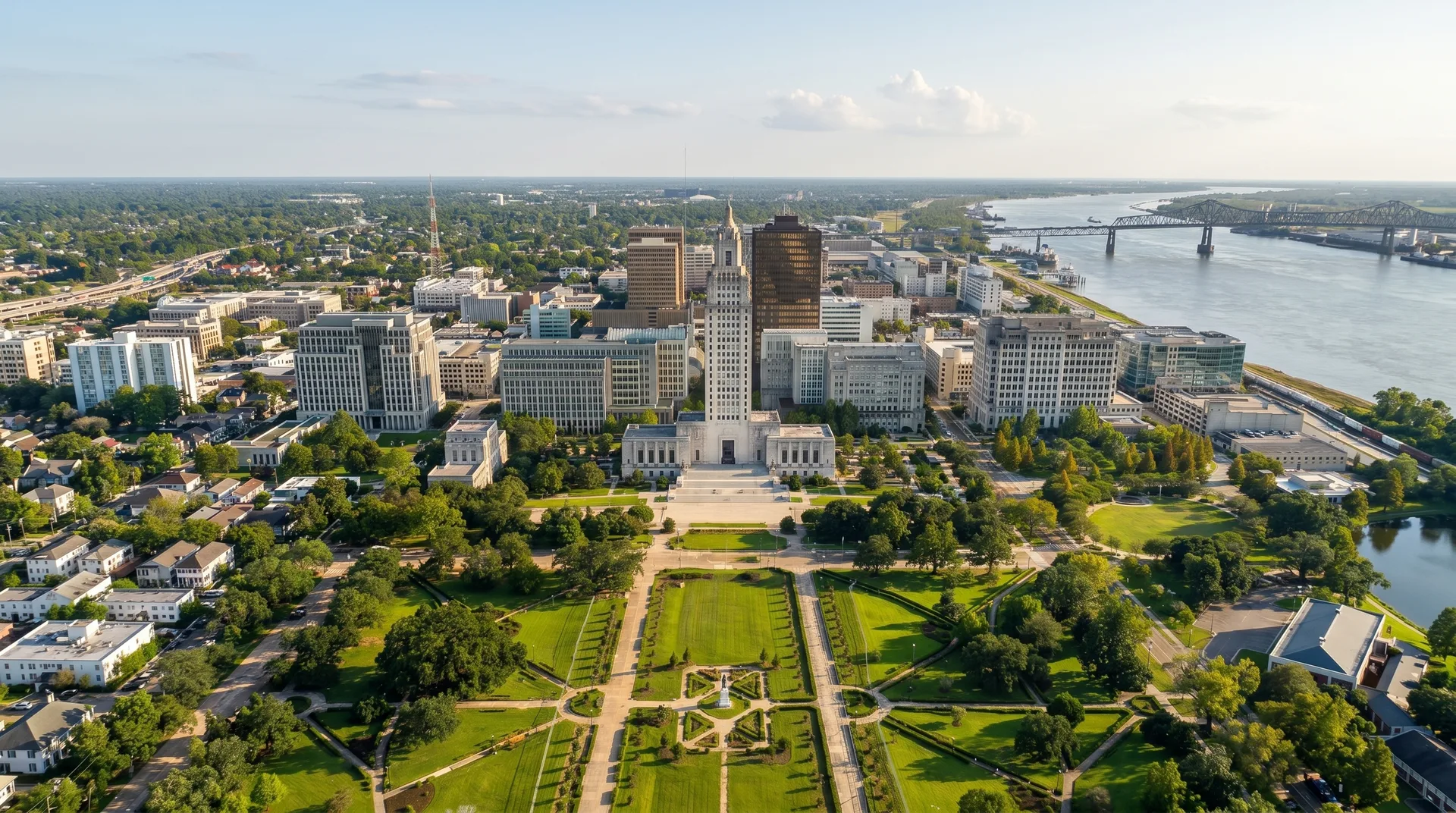
Baton Rouge
Baton Rouge occupies a strategic position along the Mississippi River, serving as a critical logistics hub for the Gulf Coast region. The city's location provides direct access to one of the world's most important waterways for bulk cargo transport, while also connecting to major interstate highways for efficient overland distribution. Baton Rouge is renowned as a petrochemical and manufacturing powerhouse, hosting numerous refineries, chemical plants, and industrial facilities that form the backbone of Louisiana's economy. The Port of Greater Baton Rouge accommodates diverse cargo types, from raw materials to finished products, supporting industries such as oil and gas, chemicals, agriculture, and heavy manufacturing. The region's transportation infrastructure includes rail connections, barge traffic on the Mississippi, and highway access via I-10 and I-12, creating a multimodal logistics environment that facilitates efficient freight movement throughout the southeastern United States.










