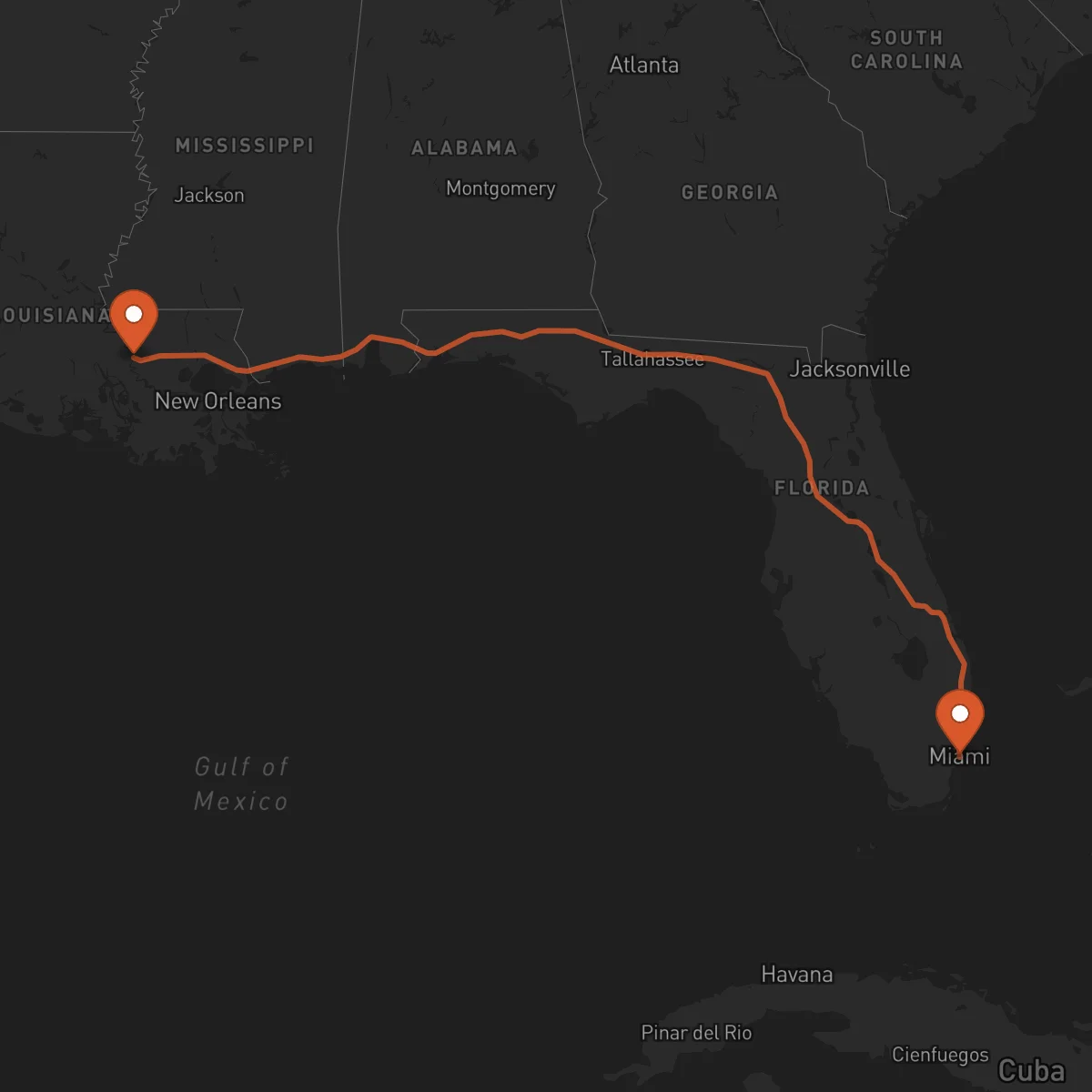
Baton Rouge to Miami
Miami → Baton RougeFTL freight transportation service between Baton Rouge and Miami. Reliable logistics solutions for your business.
Route Description
Everything you need to know about the corridor Baton Rouge - Miami
The corridor connecting Baton Rouge, Louisiana, to Miami, Florida, represents a vital logistics artery in the southeastern United States. This 1,197-kilometer route traverses diverse economic regions, connecting the industrial heartland of the Gulf Coast with the vibrant international trade hub of South Florida. The corridor serves as a crucial link for companies moving goods between the petrochemical complexes of Louisiana and the import/export activities centered in Miami's ports and airports.
The economic significance of this route is substantial, supporting industries ranging from petrochemicals and manufacturing in Louisiana to retail, tourism, and international trade in Florida. The corridor facilitates the movement of everything from raw materials and industrial equipment to consumer goods and perishables, making it essential for supply chain operations throughout the region. Major manufacturing centers, distribution facilities, and commercial hubs along the route create consistent freight demand, particularly for full truckload (FTL) services.
Control Terrestre specializes in providing reliable FTL transportation along this corridor, offering dedicated truckload services that ensure your cargo moves efficiently from origin to destination. Our experienced carriers navigate the primary highways connecting these cities, including I-10 East and I-75 South, providing consistent transit times and professional handling of your freight. With our strategic network and commitment to service excellence, we help businesses maintain smooth supply chain operations between Baton Rouge and Miami.
Services for this Route
Available services for the corridor Baton Rouge - Miami
 Origin
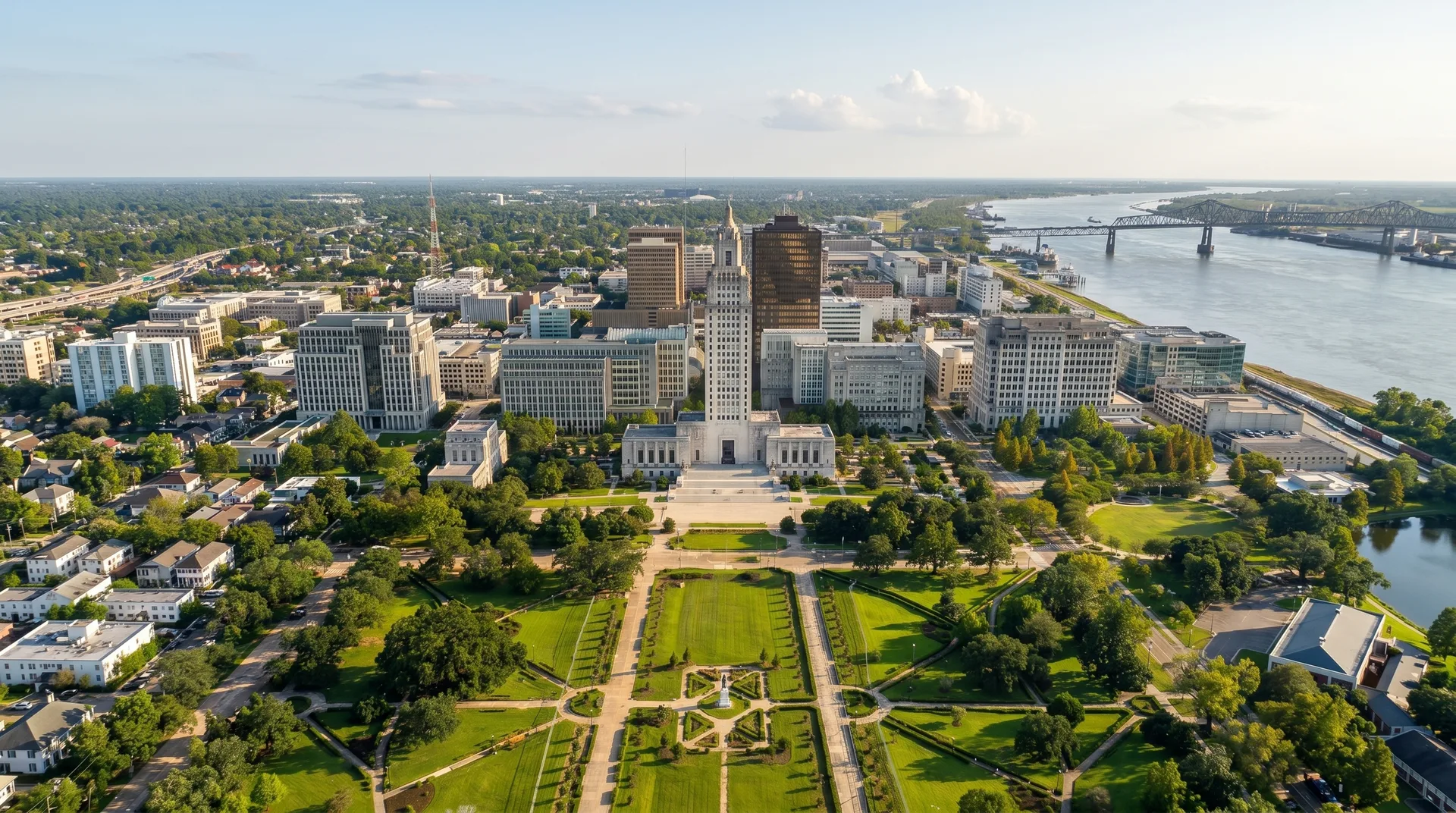
Baton Rouge
Baton Rouge, the capital city of Louisiana, serves as a strategic logistics hub in the Gulf Coast region. Located along the Mississippi River and positioned at the intersection of major transportation routes, the city provides excellent connectivity for freight movement. Baton Rouge is home to a diverse industrial base, with particular strength in petrochemical manufacturing, oil refining, and chemical production. The Port of Greater Baton Rouge facilitates river and ocean freight, while the city's proximity to major highways like I-10 creates efficient ground transportation options.
The city's logistics infrastructure includes multiple industrial parks, warehousing facilities, and distribution centers that support the movement of goods throughout the region. Baton Rouge's strategic location makes it an ideal origin point for freight destined for both domestic markets and international destinations, particularly those requiring efficient connections to Florida's ports and beyond.
 Destination
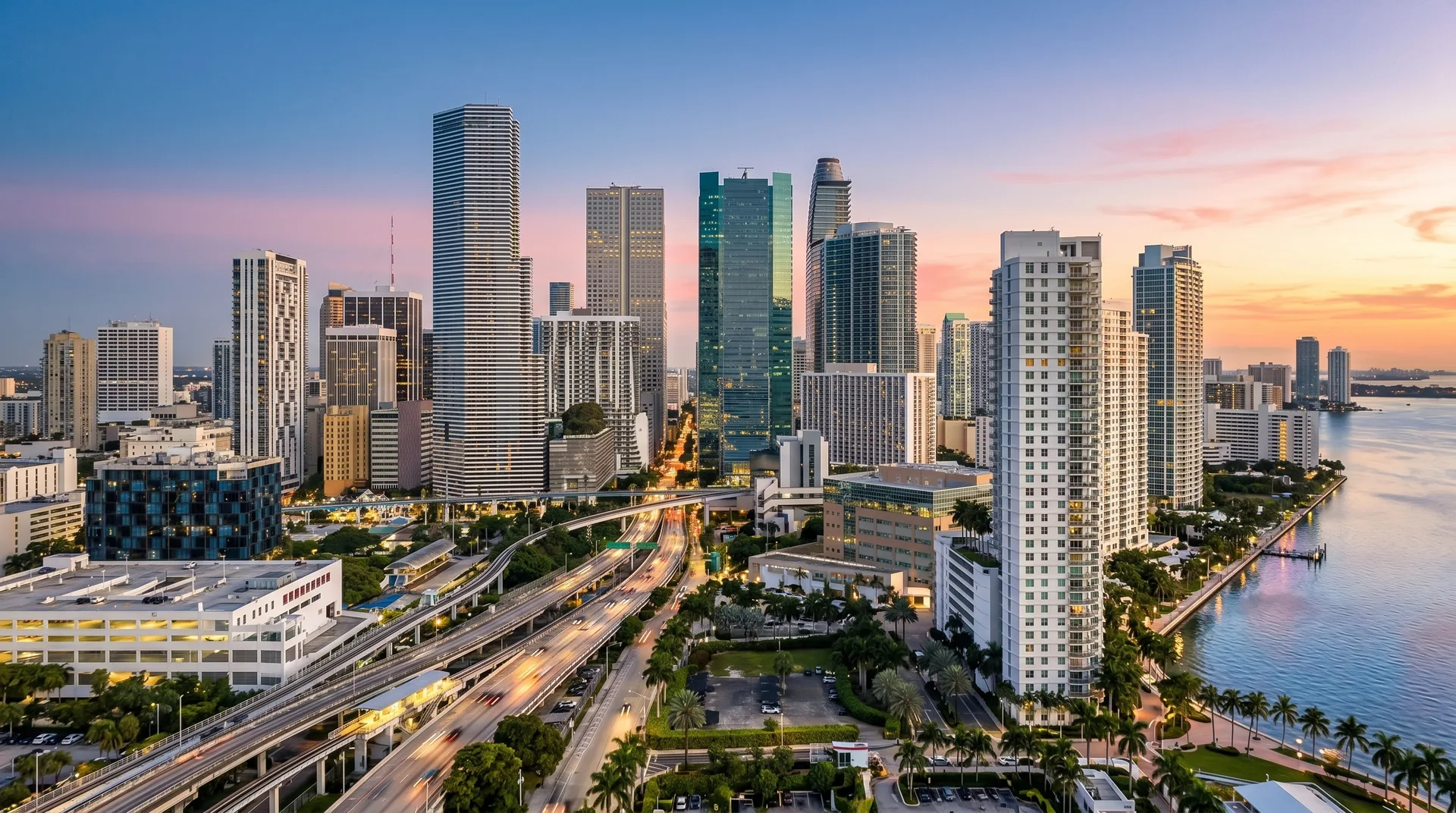
Miami
Miami stands as one of the most important logistics gateways in the United States, serving as the primary connection point between North America and Latin America. Located at the southeastern tip of Florida, Miami's strategic position makes it ideal for international trade, with the Port of Miami and Miami International Airport handling millions of tons of cargo annually. The city's logistics infrastructure includes extensive warehousing, distribution centers, and specialized facilities for handling diverse freight types, from perishables to high-value goods.
The region's economy is driven by international trade, tourism, and logistics services, creating consistent demand for reliable freight transportation. Miami's well-developed highway network, including I-95 and the Florida Turnpike, provides efficient connections to the rest of the state and beyond. The city's role as a major import/export hub means that businesses require dependable FTL services to move goods quickly and securely between Florida and other parts of the country.










