Mexicali to Colima
Colima → MexicaliFTL freight transportation service between Mexicali and Colima. Reliable logistics solutions for your business.
Route Description
Everything you need to know about the corridor Mexicali - Colima
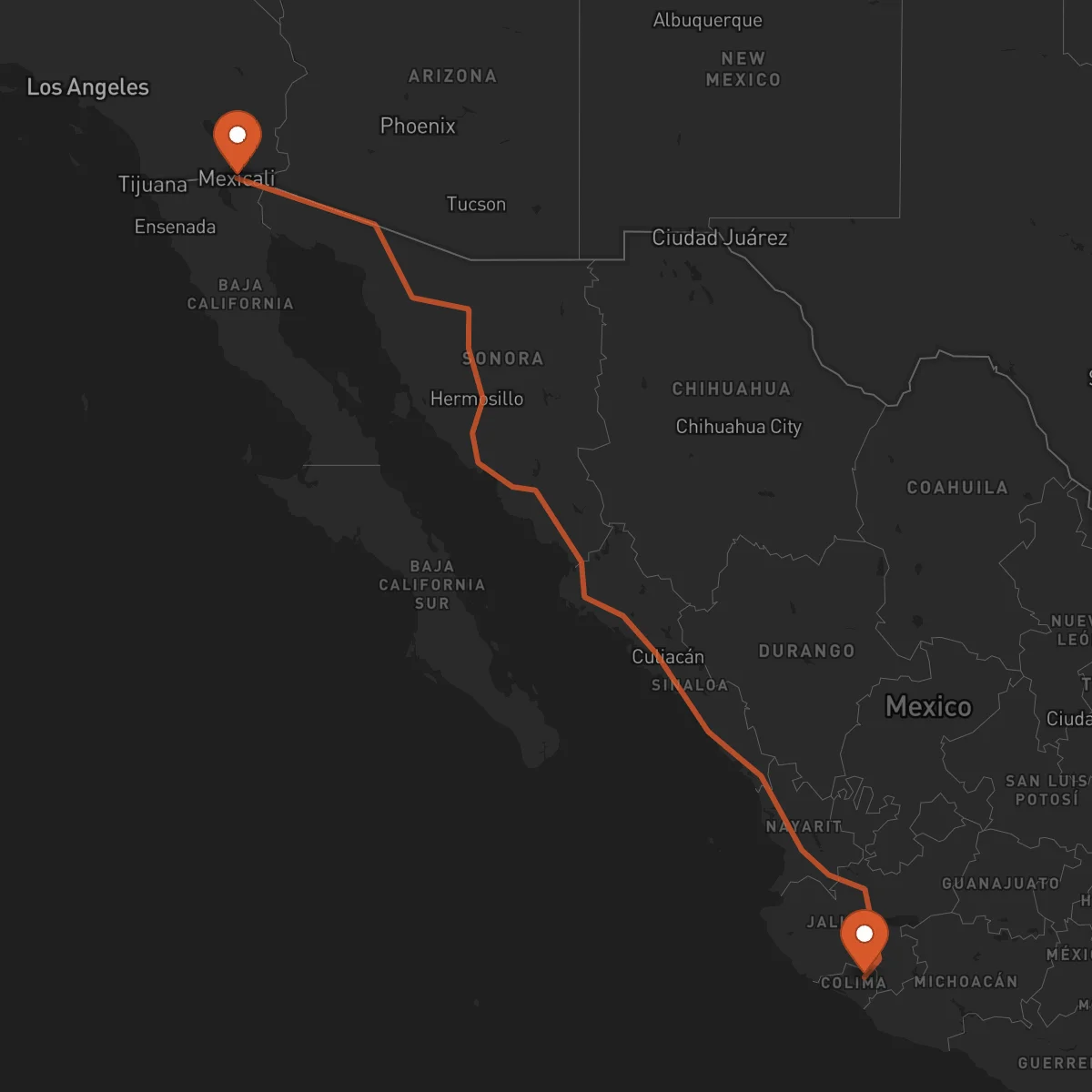
The Mexicali-Colima corridor represents a vital logistics route connecting Mexico's northwest with the Pacific coast, spanning approximately 1,891 kilometers through diverse terrain and economic zones. This domestic corridor traverses the states of Baja California, Sonora, Sinaloa, and Colima, linking the industrial powerhouse of Mexicali with the strategic port and agricultural region of Colima. The route serves as a critical artery for trade between Mexico's northern border region and the central-western Pacific corridor, facilitating the movement of goods between major industrial clusters and international trade gateways.
The corridor's economic significance is underscored by the complementary nature of both regions. Mexicali serves as a major manufacturing and export hub with strong ties to U.S. markets, while Colima offers access to Pacific ports, agricultural production, and emerging industrial parks. This creates a dynamic flow of raw materials, finished products, and agricultural goods between the two regions. The route passes through key economic centers including Hermosillo, Culiacán, and Guadalajara, creating multiple opportunities for logistics consolidation and distribution along the way.
Control Terrestre optimizes this corridor through our specialized FTL services, leveraging our network of certified carriers and strategic partnerships. Our dedicated transportation solutions ensure consistent, reliable service for companies moving high-value cargo, time-sensitive shipments, and specialized freight between these regions. We provide real-time tracking, dedicated equipment options, and experienced drivers familiar with the route's unique challenges and requirements.
Services for this Route
Available services for the corridor Mexicali - Colima
 Origin
Mexicali
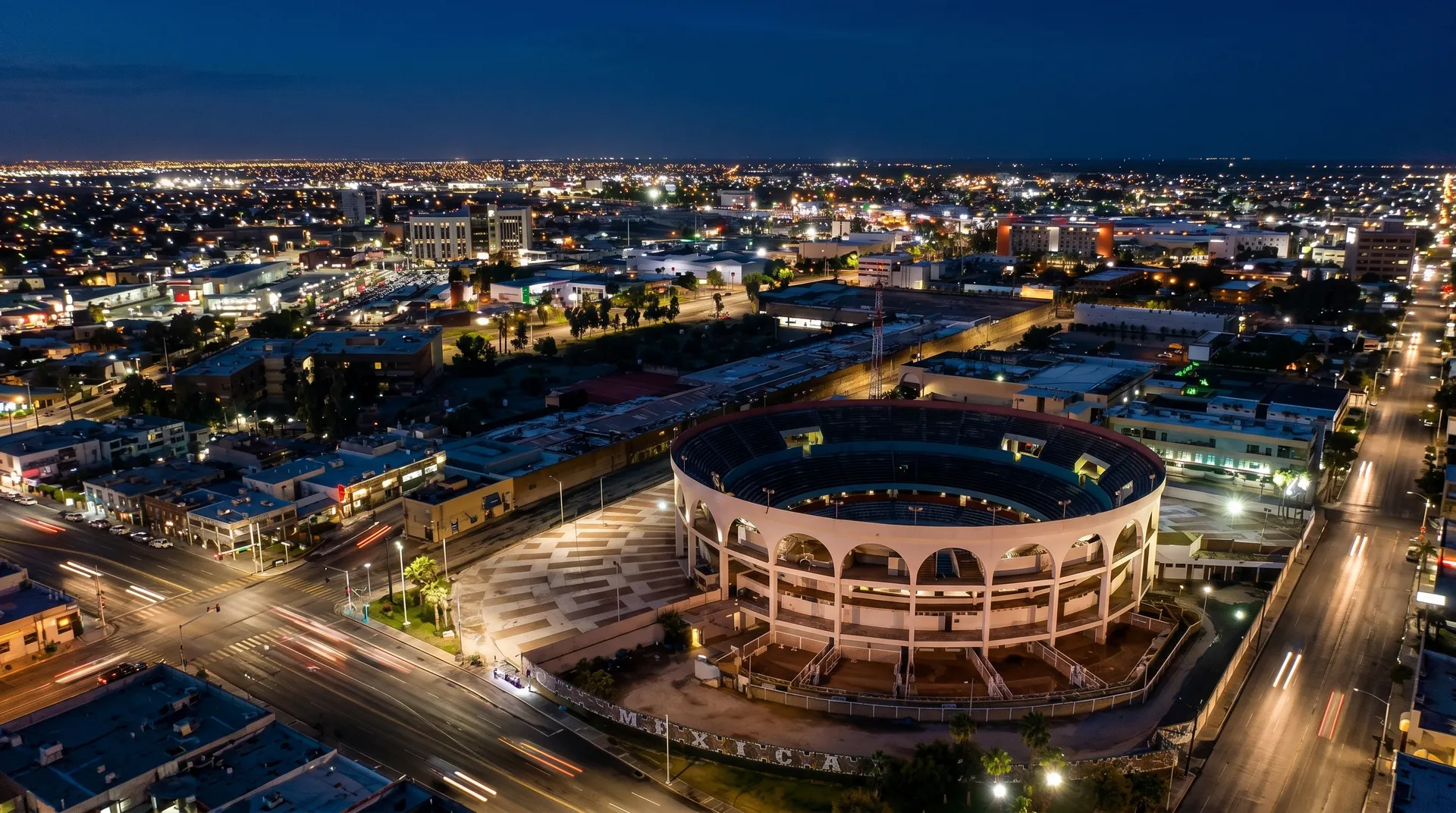
Mexicali, Baja California, stands as a strategic logistics hub positioned directly on the U.S.-Mexico border, offering unparalleled access to North American supply chains. The city's proximity to California's Imperial Valley and its direct connection to major U.S. transportation networks make it an ideal origin point for cross-border and domestic freight movements. Mexicali's Maquiladora industry, particularly in automotive, aerospace, and electronics manufacturing, generates substantial freight volumes requiring reliable transportation to central and southern Mexico.
The city boasts sophisticated transportation infrastructure including the Mexicali International Airport, extensive highway networks connecting to California's interstates, and the nearby Port of Ensenada for maritime cargo. The city's industrial parks and free trade zones are equipped with modern logistics facilities, warehousing, and distribution centers that support efficient freight consolidation and preparation for long-haul transportation to destinations like Colima.
 Destination
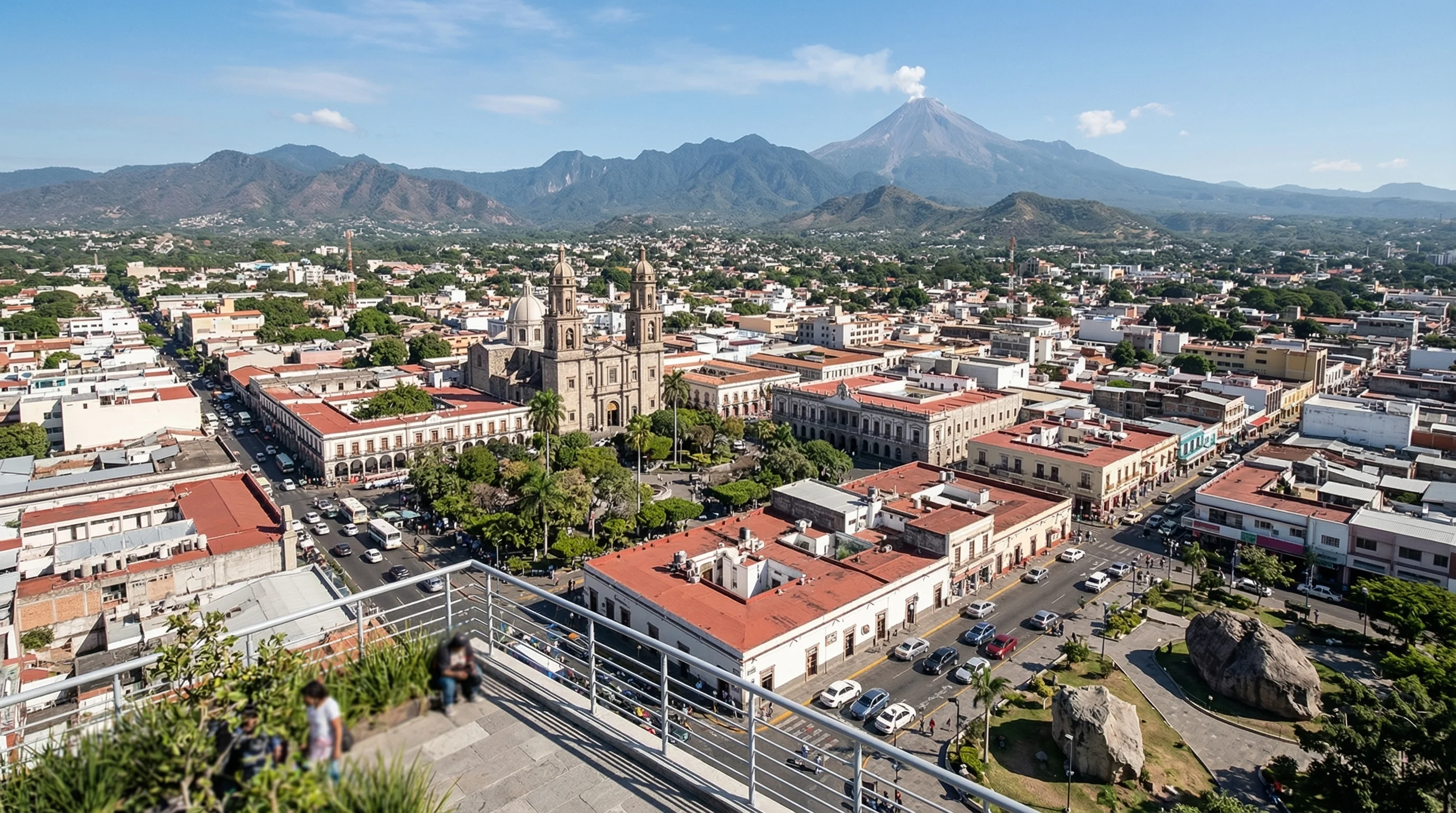
Colima, located on Mexico's Pacific coast, serves as a strategic logistics gateway with unique advantages for international and domestic trade. The state's proximity to the Port of Manzanillo, Mexico's largest container port, provides exceptional maritime connectivity to Asian and global markets. Colima's geographic position between Guadalajara and the Pacific coast creates a natural distribution point for goods moving between central Mexico and international destinations, making it an ideal endpoint for freight originating in northern regions like Mexicali.
The region's economy encompasses diverse sectors including agriculture (particularly tropical fruits and vegetables), fishing, mining, and growing industrial activities. Colima's developing industrial parks and logistics infrastructure support the movement of specialized cargo, refrigerated goods, and high-value products. The state's highway network connects seamlessly with major corridors leading to Guadalajara, Mexico City, and other central Mexican markets, facilitating efficient distribution throughout the country.










