Mexicali to Atlanta
Atlanta → MexicaliFTL freight transportation service between Mexicali and Atlanta. Reliable logistics solutions for your business.
Route Description
Everything you need to know about the corridor Mexicali - Atlanta
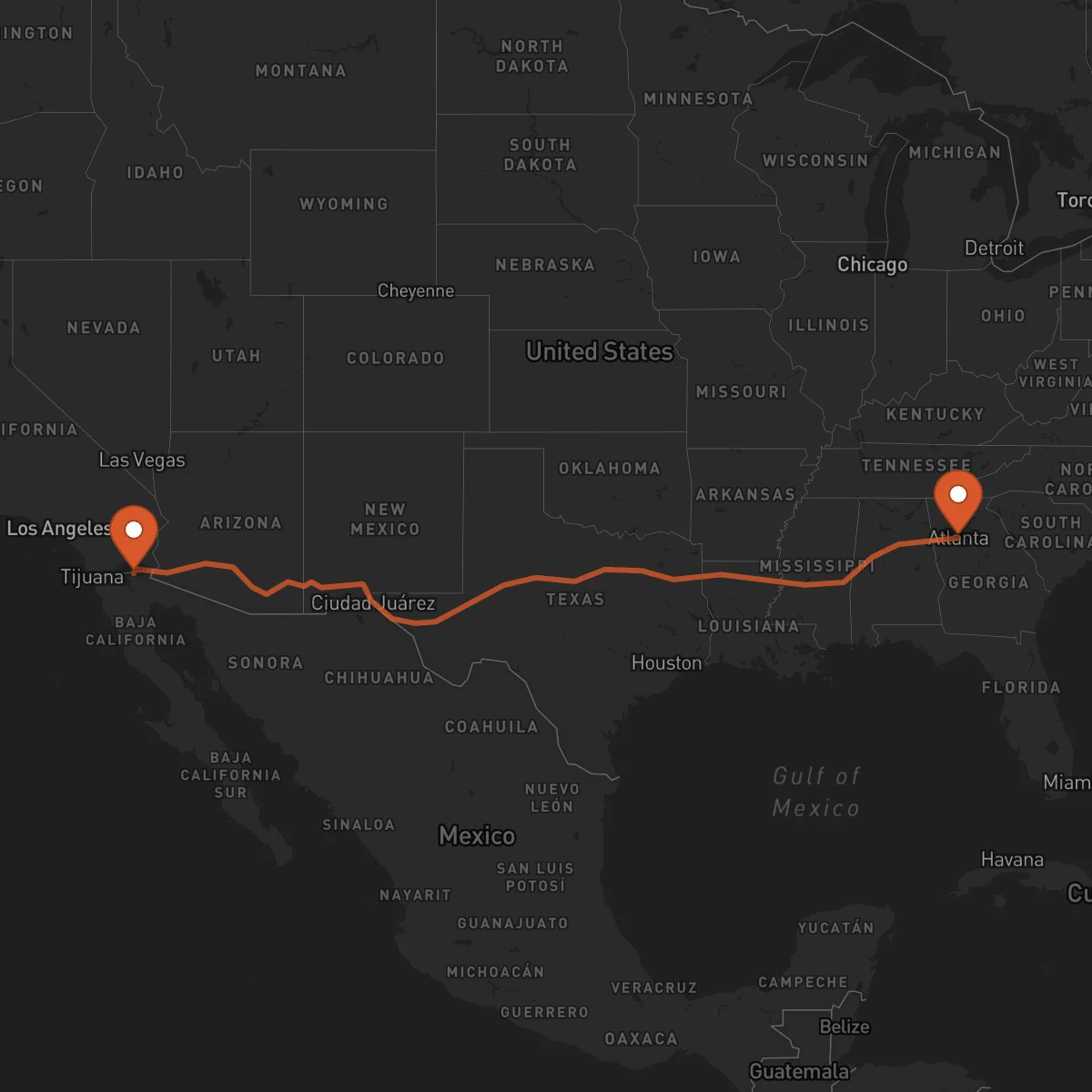
The logistics corridor connecting Mexicali, Baja California, with Atlanta, Georgia, represents a vital commercial artery in North America, spanning approximately 2,882 kilometers across diverse terrains and economic zones. This cross-border route serves as a crucial link between Mexico's thriving manufacturing sector and the southeastern United States' distribution networks. The corridor facilitates the movement of goods between two major economic regions, connecting the Pacific port access of northwestern Mexico with Atlanta's role as a southeastern logistics hub.
The economic significance of this corridor is substantial, supporting industries ranging from automotive and electronics to agriculture and consumer goods. Mexicali's maquiladora industry produces high-value manufactured goods that flow northward, while Atlanta's robust retail and distribution sectors provide markets for these products. The route traverses through California, Arizona, New Mexico, Texas, Louisiana, Mississippi, Alabama, and Georgia, crossing major commercial centers and industrial zones along the way.
Transportation infrastructure along this corridor includes major interstate highways such as I-8, I-10, I-20, and I-85, providing reliable freight movement capabilities. The San Diego-Tijuana border crossing offers efficient northbound transit, while multiple inspection stations and weigh scales along the route require experienced handling. Control Terrestre's expertise in cross-border operations ensures seamless customs clearance, proper documentation, and compliance with both Mexican and U.S. transportation regulations, minimizing delays and optimizing transit times for our clients' freight shipments.
Services for this Route
Available services for the corridor Mexicali - Atlanta
 Origin
Mexicali
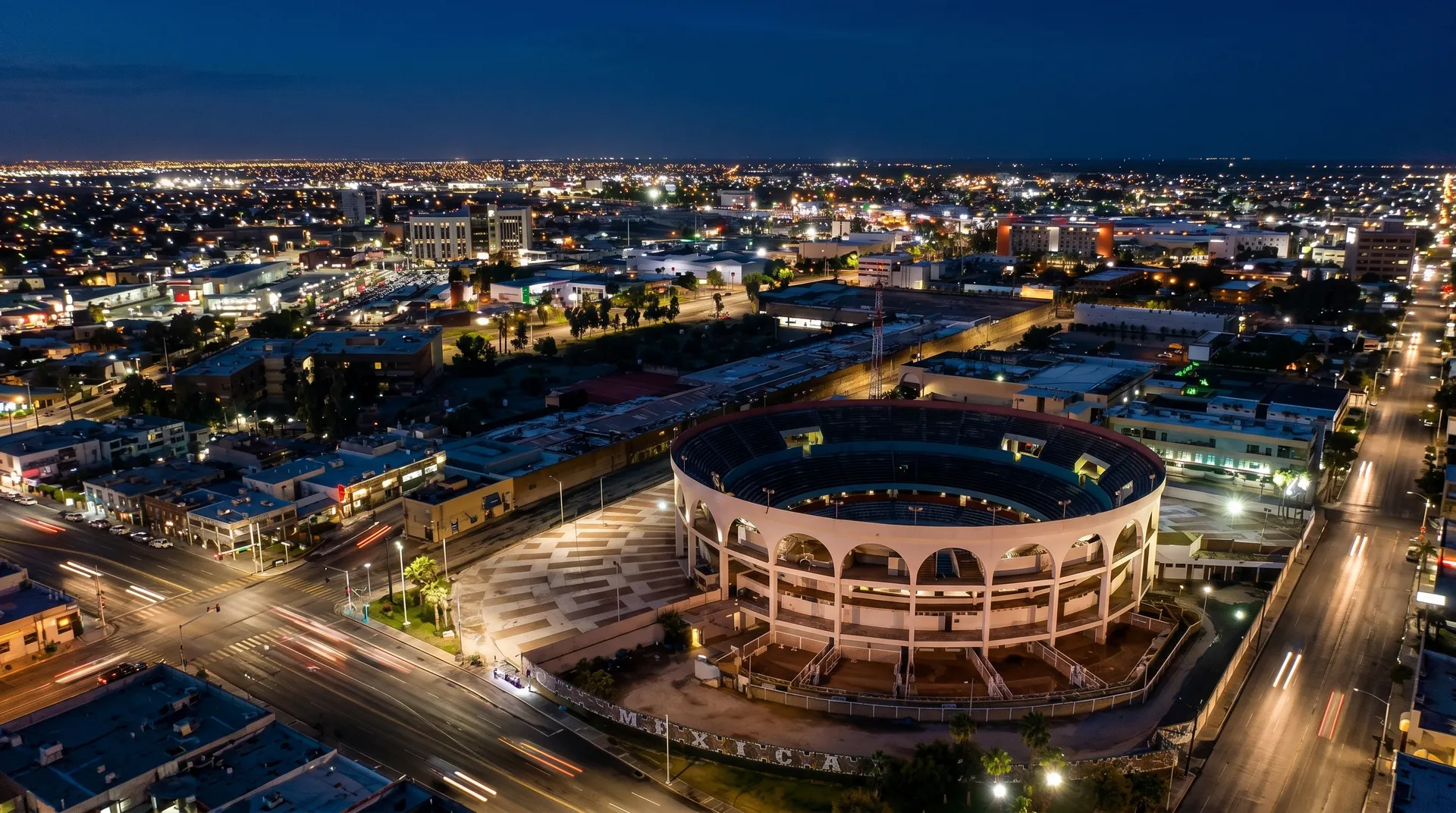
Mexicali, the capital city of Baja California, occupies a strategic location along the U.S.-Mexico border, directly adjacent to Calexico, California. This positioning makes it an ideal gateway for international trade, with direct access to major transportation networks and proximity to the Port of Ensenada for maritime connections. The city serves as a critical logistics hub for northwestern Mexico, benefiting from its location within the California-Baja California border region's integrated economy.
The region's economy is dominated by the maquiladora industry, with numerous foreign-owned manufacturing plants producing electronics, aerospace components, medical devices, and automotive parts. Mexicali also has strong agricultural exports, particularly winter vegetables and dates, and serves as a distribution center for goods moving between Baja California and the United States. The city's transportation infrastructure includes the Mexicali International Airport, extensive highway connections to the U.S. border, and rail links through Ferromex, providing multiple options for freight movement.
 Destination
Atlanta
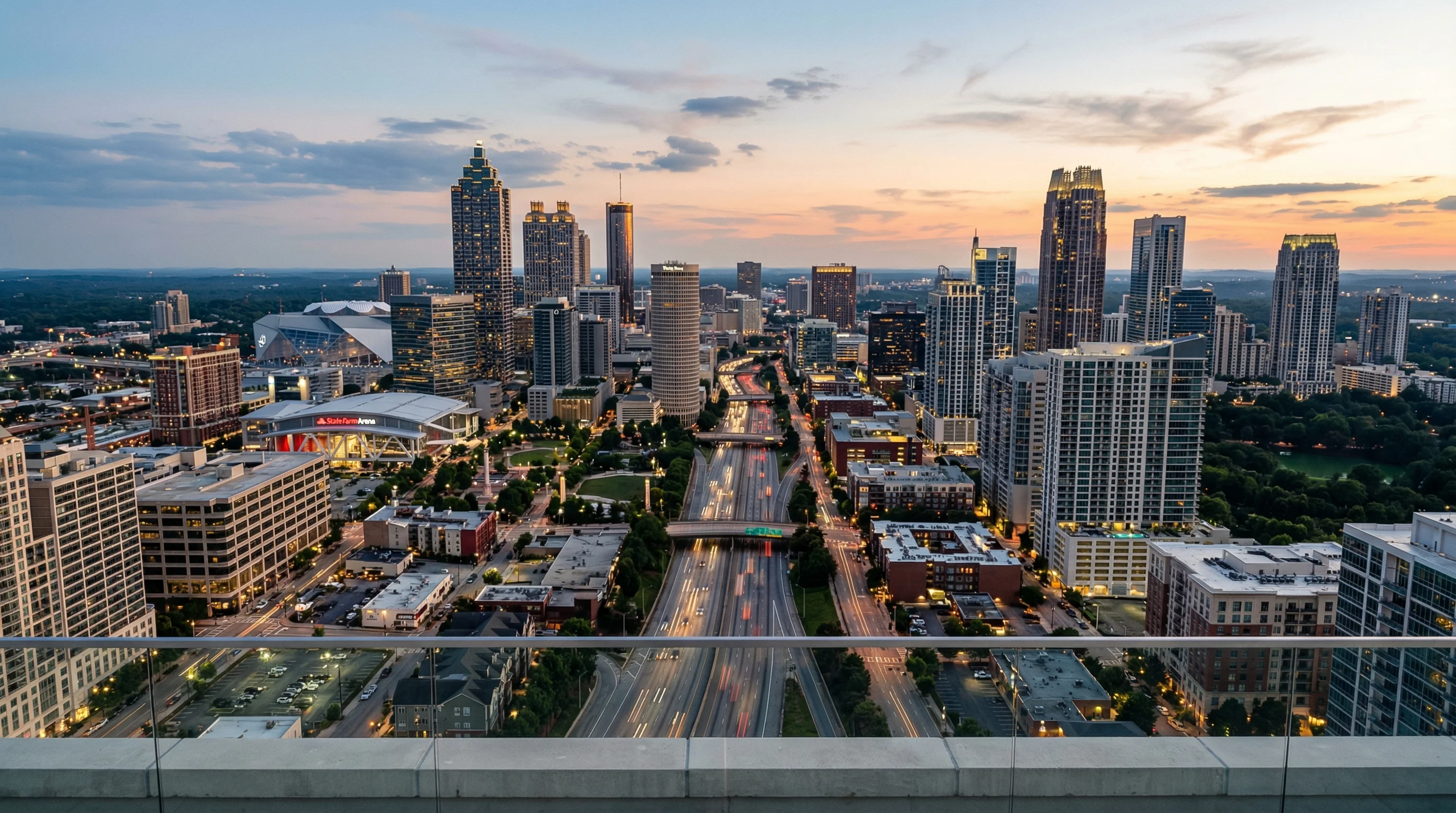
Atlanta, Georgia, stands as one of the most important logistics and distribution centers in the southeastern United States, earning its reputation as the "capital of the South" for commerce and transportation. The city's strategic location provides access to a population of over 10 million people within a 500-mile radius, making it ideal for distribution operations. Atlanta's Hartsfield-Jackson International Airport ranks among the world's busiest, while extensive rail networks and interstate highways create a multimodal transportation hub that facilitates efficient freight movement throughout the region.
The city's economy is diverse and robust, with major industries including logistics and supply chain management, film and entertainment, technology, and professional services. Atlanta is home to the world's busiest airport by passenger traffic and serves as a major hub for companies like Delta Air Lines, Coca-Cola, and Home Depot. The metropolitan area's concentration of warehouses, distribution centers, and fulfillment operations makes it a critical node in North American supply chains, with the surrounding region providing access to major ports in Savannah and Charleston for international trade connections.










