
McAllen to San Marcos
San Marcos → McAllenFTL freight transportation service between McAllen and San Marcos. Reliable logistics solutions for your business.
Route Description
Everything you need to know about the corridor McAllen - San Marcos
The McAllen-San Marcos corridor represents a vital trade connection between the United States and Guatemala, spanning approximately 1,417 kilometers across the North American continent. This strategic route facilitates the movement of goods between the Rio Grande Valley's industrial hub and Guatemala's western region, serving as a crucial artery for international trade and economic development. The corridor connects two dynamic economic zones, enabling efficient freight transportation across diverse terrains and international borders.
The economic significance of this corridor is underscored by its role in supporting key industries including automotive parts, electronics, agricultural products, and consumer goods. The region's manufacturing sector, particularly in McAllen's industrial parks and San Marcos' growing commercial zones, relies heavily on this transportation link for just-in-time inventory management and supply chain optimization. The corridor's importance is further enhanced by its connection to major trade agreements and cross-border commerce between North and Central America.
Transportation infrastructure along this route includes major highways such as US-83, Mexican Federal Highways, and CA-1, providing reliable connectivity for freight movement. Key border crossings at Hidalgo International Bridge and other strategic points ensure smooth customs clearance and efficient cargo processing. Control Terrestre's expertise in managing cross-border operations, combined with our certified transportation partners and comprehensive logistics solutions, ensures seamless freight movement along this critical corridor, supporting businesses with reliable, full truckload services from origin to destination.
Services for this Route
Available services for the corridor McAllen - San Marcos
 Origin
McAllen
McAllen, Texas serves as a strategic logistics hub in the Rio Grande Valley, offering exceptional connectivity for international freight operations. The city's location along the US-Mexico border provides immediate access to major transportation networks and cross-border trade routes. McAllen's robust infrastructure includes the McAllen Miller International Airport, extensive highway systems, and proximity to the Port of Harlingen, making it an ideal origin point for freight distribution throughout North America.
The region's economy is driven by diverse industries including healthcare, retail, manufacturing, and international trade. McAllen's industrial parks and distribution centers support a thriving logistics sector, with particular strength in cross-border operations and international commerce. The city's economic development initiatives have attracted numerous companies seeking efficient access to both US and Mexican markets, creating a dynamic business environment that demands reliable freight transportation solutions.
 Destination
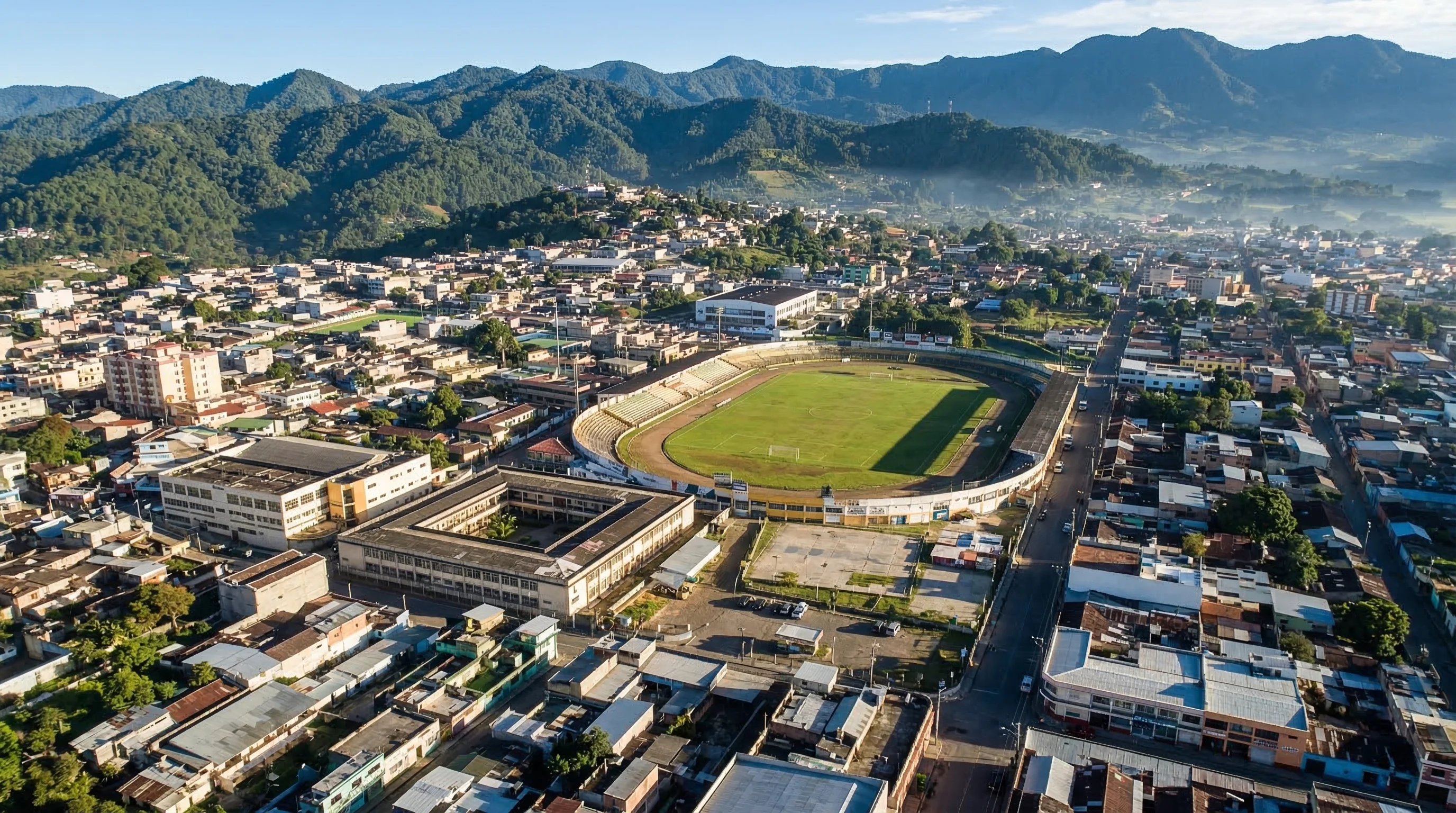
San Marcos
San Marcos, Guatemala stands as a strategic logistics point in the country's western region, offering unique advantages for freight distribution in Central America. The city's location near the Mexican border and its position within Guatemala's growing industrial corridor make it an essential destination for international freight operations. San Marcos benefits from improving infrastructure, including highway connections to major cities and developing industrial zones that support regional commerce.
The local economy in San Marcos is characterized by agricultural production, textile manufacturing, and emerging industrial sectors. The region's strategic position facilitates trade with neighboring countries and provides access to Guatemala's expanding consumer markets. San Marcos' growing commercial infrastructure, including distribution centers and manufacturing facilities, creates demand for reliable full truckload transportation services to support business operations and supply chain requirements.










