
McAllen to Las Tablas
Las Tablas → McAllenFTL freight transportation service between McAllen and Las Tablas. Reliable logistics solutions for your business.
Route Description
Everything you need to know about the corridor McAllen - Las Tablas
The McAllen-Las Tablas logistics corridor connects the strategic border city of McAllen, Texas, with Las Tablas, a key commercial hub in the Panamanian province of Los Santos. This route spans approximately 2,794 kilometers and serves as a vital link for companies seeking efficient ground transportation between North and Central America. The corridor facilitates the movement of goods across diverse terrains and international borders, supporting supply chain operations that require reliability and expertise in cross-border logistics.
The economic significance of this corridor lies in its ability to connect the industrial and commercial activity of South Texas with the growing markets of Panama and surrounding Central American countries. McAllen serves as a gateway for trade with Mexico and beyond, while Las Tablas provides access to Panama's extensive logistics network, including the Panama Canal and major ports. This route is particularly valuable for industries such as automotive, electronics, agriculture, and consumer goods that require timely and secure transportation of full truckload shipments.
Transportation along this corridor relies on major highway systems, including US-83 and Mexican Federal Highways, before connecting to the Pan-American Highway in Central America. The route involves key border crossings and requires careful coordination of customs procedures to ensure compliance with both USMCA and Panamanian trade regulations. Control Terrestre's expertise in managing these complex cross-border operations ensures seamless transit, with certified carriers who understand the documentation, security protocols, and regulatory requirements essential for successful delivery from McAllen to Las Tablas.
Services for this Route
Available services for the corridor McAllen - Las Tablas
 Origin
McAllen
McAllen, Texas, is strategically positioned at the southern tip of Texas, directly across the border from Reynosa, Mexico. This location makes it a critical logistics hub for companies engaged in US-Mexico trade, offering immediate access to major transportation networks and cross-border freight movement. The city's economy is driven by international trade, retail, healthcare, and manufacturing, with a strong presence of logistics and distribution centers that support regional and cross-border supply chains.
The transportation infrastructure in McAllen includes proximity to the McAllen Miller International Airport, extensive highway connections (US-83 and I-69C), and direct access to the Pharr International Bridge, one of the busiest commercial crossings between the US and Mexico. The city also benefits from being part of the larger Rio Grande Valley logistics ecosystem, which includes warehousing, cross-docking facilities, and a skilled workforce familiar with international trade operations. These assets make McAllen an ideal origin point for full truckload shipments heading south into Central America.
 Destination
Las Tablas
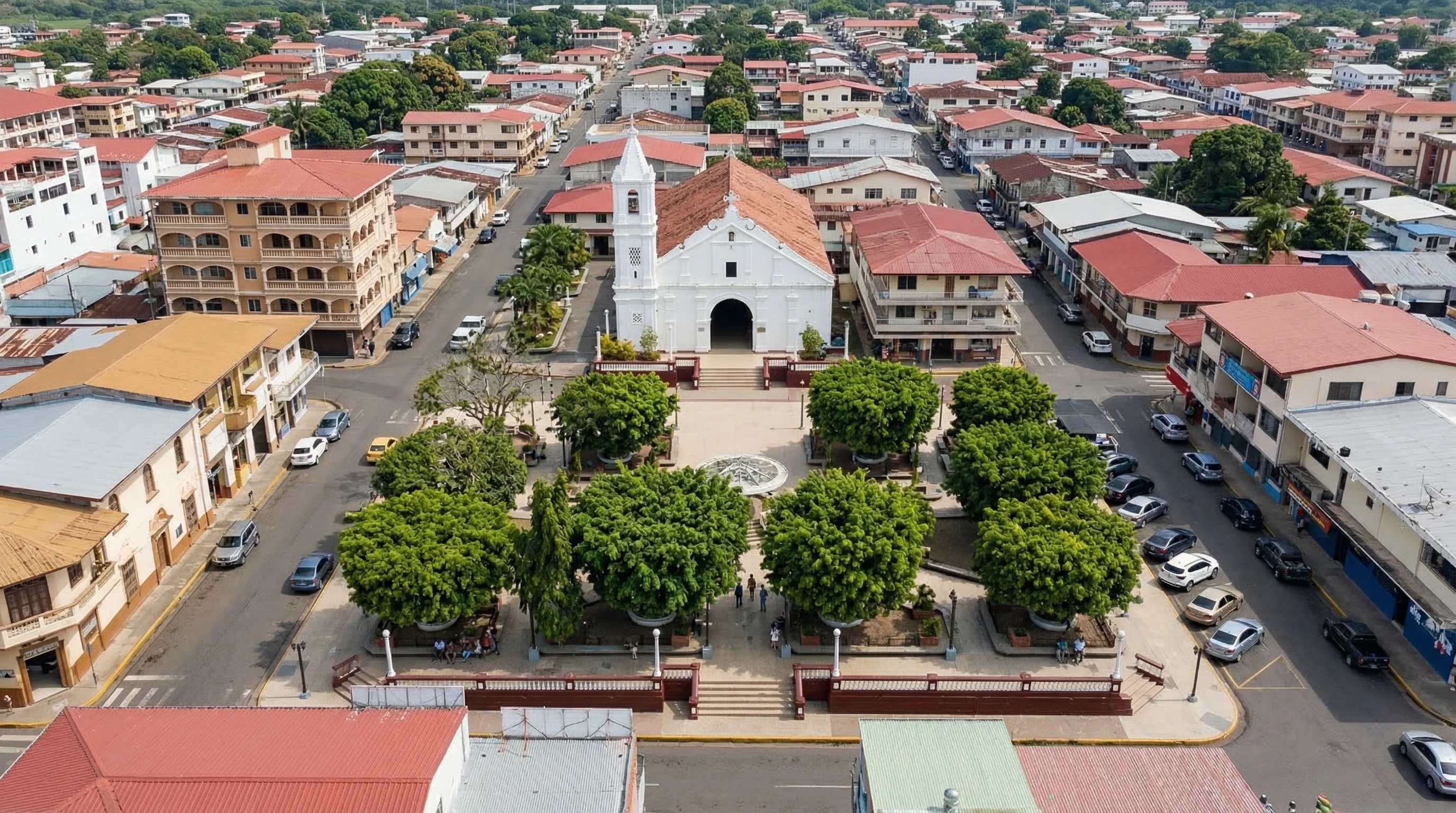
Las Tablas, located in the province of Los Santos, Panama, is a growing commercial center with strategic importance in Panama's interior logistics network. While not a coastal city, Las Tablas benefits from its position along key transportation routes that connect Panama's central regions with the rest of the country. The area's economy is based on agriculture, commerce, and light industry, with increasing development in distribution and logistics services to support Panama's expanding trade activities.
The transportation infrastructure serving Las Tablas includes access to the Pan-American Highway, which provides reliable road connections to Panama City, the ports of Balboa and Cristóbal, and the broader Central American road network. Although Las Tablas does not have its own major port, its inland location makes it a practical destination for companies distributing goods throughout Panama's central and western provinces. The city's developing logistics sector is supported by local warehousing and distribution facilities, making it a viable endpoint for full truckload freight from North America.










