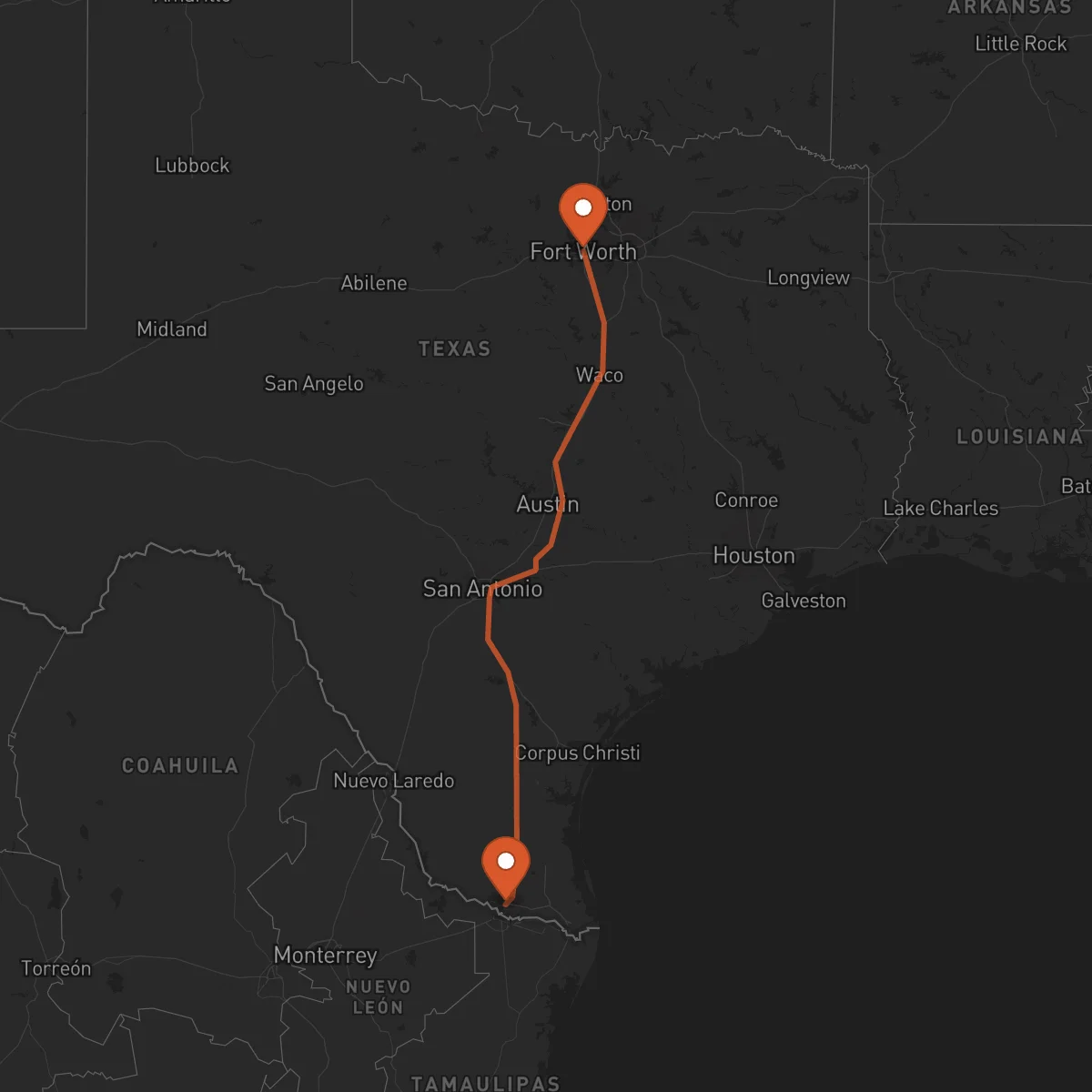
McAllen to Fort Worth
Fort Worth → McAllenFTL freight transportation service between McAllen and Fort Worth. Reliable logistics solutions for your business.
Route Description
Everything you need to know about the corridor McAllen - Fort Worth
The logistics corridor connecting McAllen to Fort Worth represents a vital transportation link in Texas, spanning approximately 734 kilometers across the heart of the state. This domestic route serves as a crucial artery for freight movement between South Texas and the Dallas-Fort Worth metropolitan area, facilitating the flow of goods between two economically dynamic regions. The corridor traverses diverse terrain and connects major industrial centers, making it essential for businesses operating throughout Texas.
The economic significance of this route cannot be overstated, as it connects McAllen's international trade hub status with Fort Worth's robust manufacturing and distribution ecosystem. This corridor experiences substantial freight traffic, driven by cross-border commerce, manufacturing supply chains, and regional distribution networks. The route serves as a backbone for industries ranging from automotive and electronics to food and beverage distribution, supporting Texas's position as a leading economic powerhouse in the United States.
Control Terrestre specializes in optimizing freight transportation along this critical corridor, offering dedicated full truckload services that ensure reliable and efficient cargo movement. Our extensive network of certified transportation providers and strategic partnerships enable us to deliver superior service quality, meeting the demanding requirements of businesses that depend on timely deliveries between these key Texas markets. We understand the unique challenges of this route and provide tailored solutions that maximize efficiency while maintaining the highest standards of safety and compliance.
Services for this Route
Available services for the corridor McAllen - Fort Worth
 Origin
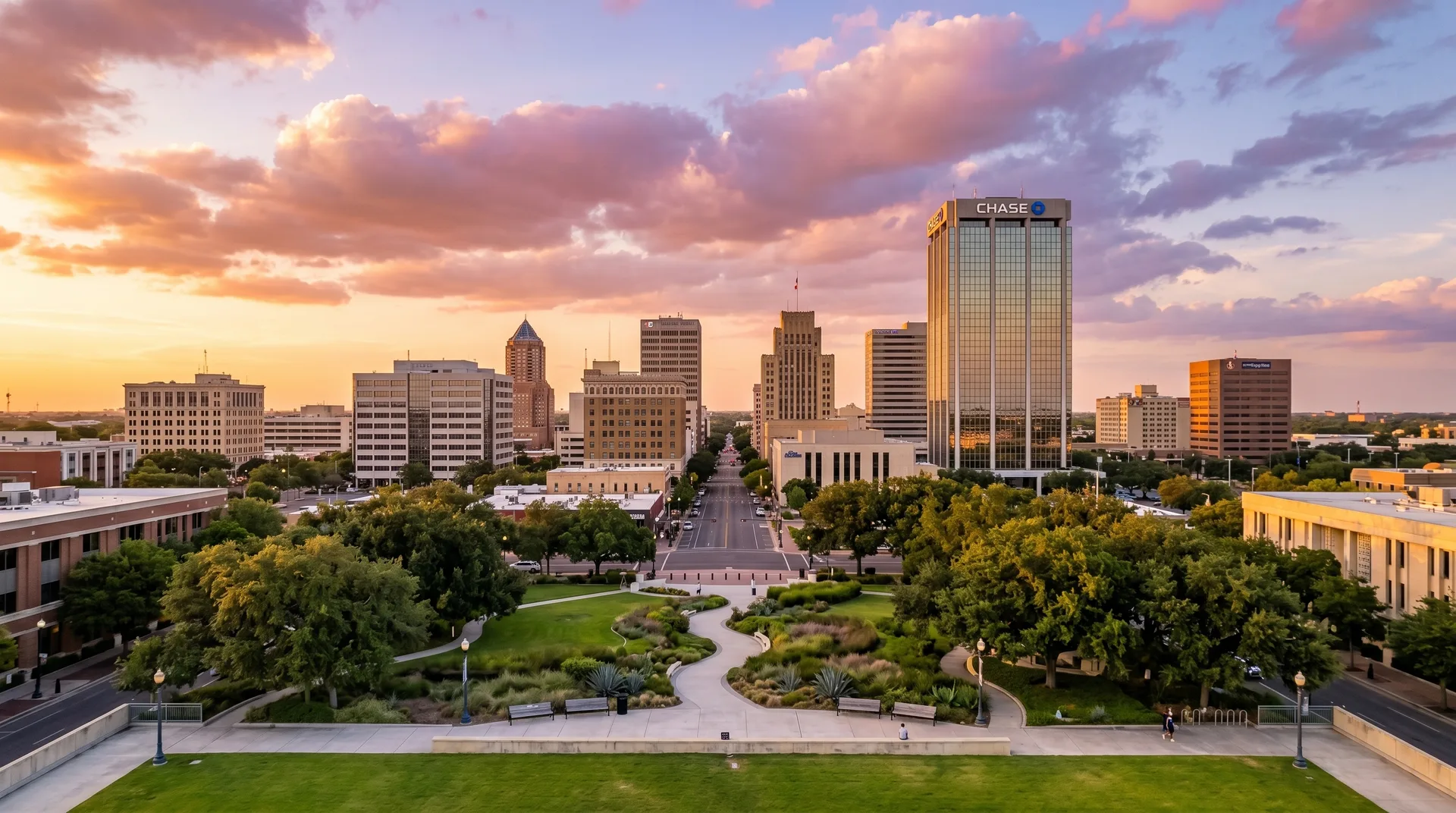
McAllen
McAllen stands as a strategic logistics gateway in South Texas, leveraging its proximity to the U.S.-Mexico border to serve as a major distribution center for international trade. The city's location near the Rio Grande positions it as a critical entry point for goods entering the United States from Mexico, with the McAllen Foreign Trade Zone and numerous warehousing facilities supporting extensive cross-border commerce. The region's economy thrives on international trade, retail distribution, and agricultural exports, creating substantial freight transportation demand.
The transportation infrastructure in McAllen includes access to major highways such as U.S. Route 83 and connections to Interstate 2, providing efficient links to both Mexican border crossings and inland destinations. The city's logistics ecosystem features modern warehousing facilities, intermodal yards, and a skilled workforce experienced in cross-border operations. McAllen's International Airport and nearby seaports further enhance its multimodal transportation capabilities, making it an ideal origin point for comprehensive freight solutions throughout Texas and beyond.
 Destination
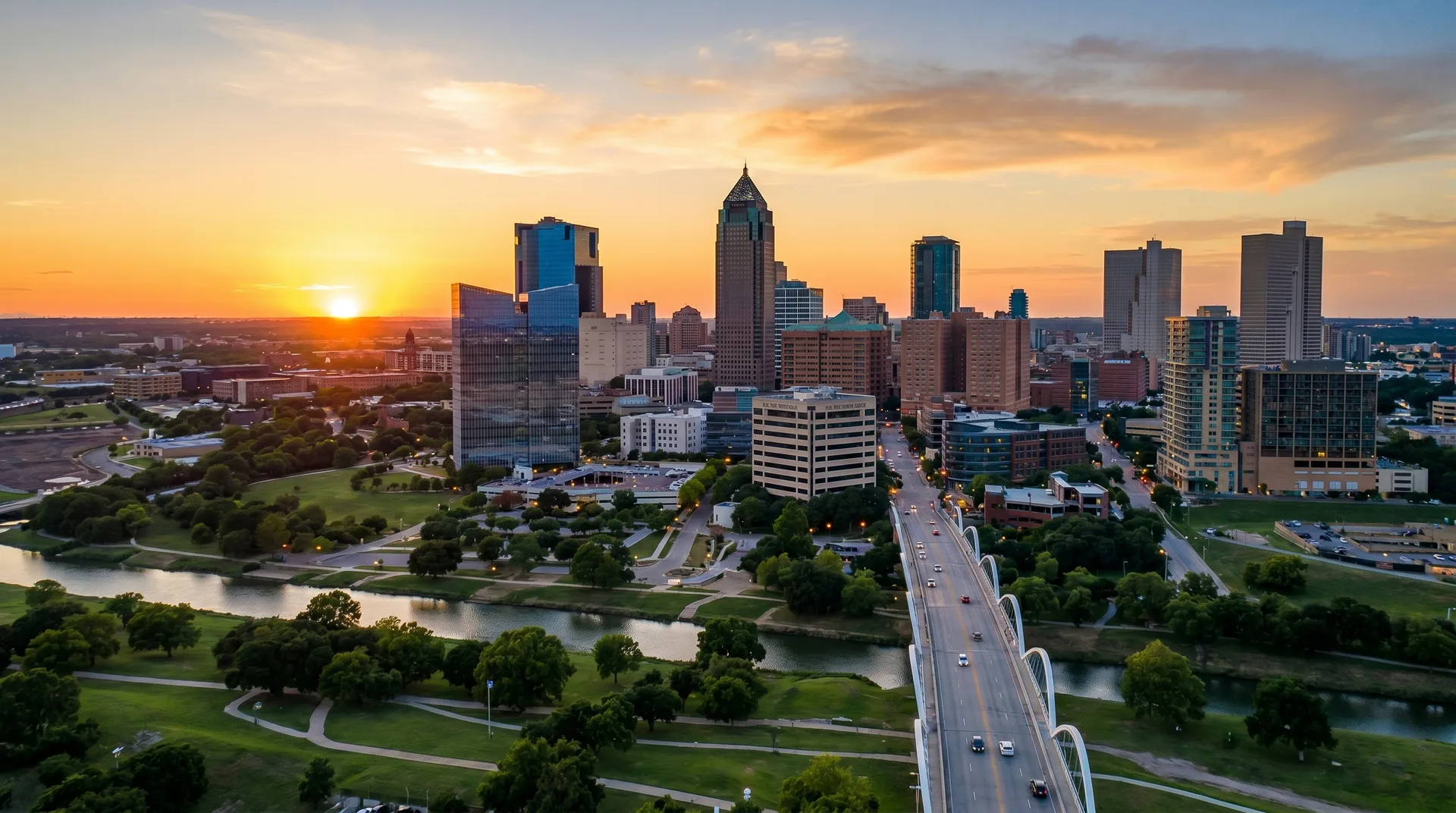
Fort Worth
Fort Worth serves as a major logistics and industrial hub in North Texas, strategically positioned within the Dallas-Fort Worth metroplex to provide access to one of the largest consumer markets in the United States. The city's central location and extensive transportation network make it a preferred destination for distribution centers, manufacturing facilities, and corporate headquarters. Fort Worth's economy encompasses diverse sectors including aerospace, automotive, food processing, and advanced manufacturing, all of which generate significant freight transportation needs.
The city boasts exceptional transportation infrastructure, including direct access to Interstate 35W, Interstate 30, and connections to the broader DFW transportation network. Fort Worth's logistics advantages include the AllianceTexas development, a master-planned commercial real estate project featuring rail facilities, warehousing, and intermodal capabilities. The city's proximity to Dallas/Fort Worth International Airport and major rail terminals enhances its multimodal freight handling capacity, while its central geographic position within Texas enables efficient distribution throughout the state and to neighboring regions.










