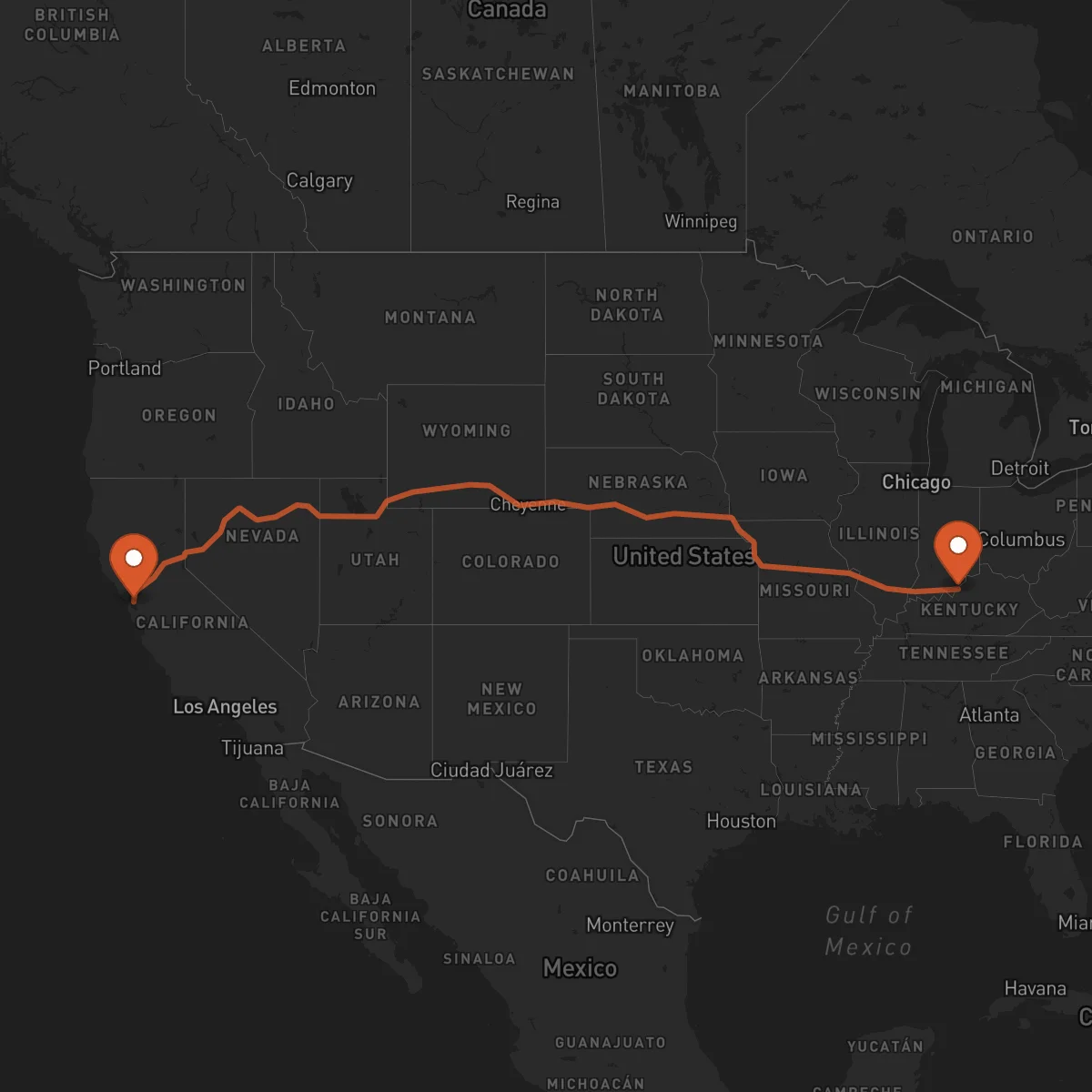
Louisville to Oakland
Oakland → LouisvilleFTL freight transportation service between Louisville and Oakland. Reliable logistics solutions for your business.
Route Description
Everything you need to know about the corridor Louisville - Oakland
The Louisville to Oakland corridor represents one of the most vital freight transportation routes in the United States, spanning approximately 3,177 kilometers across the country's heartland. This transcontinental connection links the industrial Midwest with the dynamic West Coast, serving as a critical artery for national commerce. The route traverses diverse geographic and economic regions, making it essential for companies requiring reliable full truckload (FTL) services across multiple states.
The economic significance of this corridor cannot be overstated. Louisville serves as a major logistics hub with its strategic location at the crossroads of Interstate 65 and the Ohio River, while Oakland functions as a primary gateway to Asian markets through the Port of Oakland. This route facilitates the movement of goods between manufacturing centers, distribution networks, and international trade facilities, supporting industries ranging from automotive and aerospace to technology and consumer goods.
Control Terrestre specializes in optimizing this corridor through our network of certified transportation providers. We understand the unique challenges of this transcontinental route, including varying state regulations, weather conditions, and delivery time requirements. Our dedicated FTL services ensure that your cargo moves efficiently from origin to destination without intermediate stops or transfers, maintaining the integrity and security of your freight throughout the journey.
Services for this Route
Available services for the corridor Louisville - Oakland
 Origin
Louisville
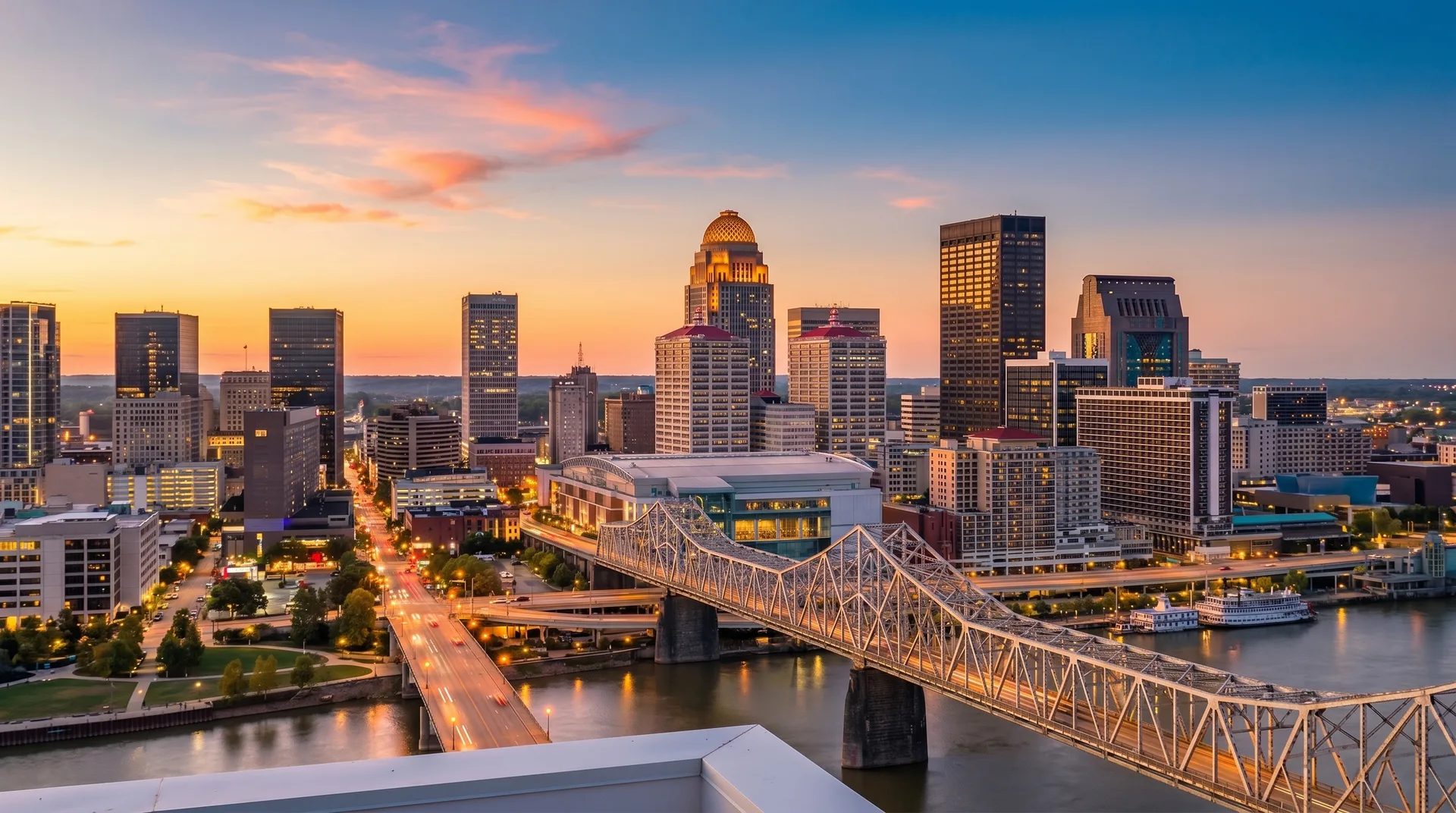
Louisville, Kentucky stands as a strategic logistics powerhouse in the eastern United States. Located at the Falls of the Ohio River, Louisville serves as a critical transportation nexus where river, rail, air, and highway networks converge. The city's central location within a day's drive of two-thirds of the U.S. population makes it an ideal distribution point for companies serving the eastern and midwestern markets. Louisville International Airport, home to UPS Worldport, processes millions of packages daily, while the city's extensive highway system provides seamless connections to major freight corridors.
The economic landscape of Louisville is diverse and robust, anchored by manufacturing, healthcare, logistics, and bourbon production. Major employers include Ford Motor Company, GE Appliances, and numerous logistics providers who have established major distribution centers in the region. The city's logistics infrastructure includes multiple intermodal facilities, warehousing complexes, and specialized freight handling capabilities that support both domestic and international supply chains.
 Destination
Oakland
Oakland, California serves as the western anchor of this vital freight corridor, offering unparalleled access to Pacific trade routes and the booming technology corridor of Northern California. Located directly across the bay from San Francisco, Oakland provides a more cost-effective logistics solution while maintaining proximity to major markets. The Port of Oakland, the fifth busiest container port in the United States, handles over $40 billion in international trade annually and provides direct connections to Asian markets. The city's extensive highway network, including I-80 and I-880, ensures efficient distribution throughout the Bay Area and beyond.
The economic profile of Oakland and the surrounding East Bay region is characterized by technology, healthcare, logistics, and advanced manufacturing. Major corporations including Kaiser Permanente, Clorox, and numerous tech startups have established significant operations in the area. The region's commitment to sustainable logistics and green transportation initiatives aligns with modern supply chain requirements, while the presence of major distribution centers and fulfillment facilities supports the growing e-commerce sector.










