Louisville to Boise
Boise → LouisvilleFTL freight transportation service between Louisville and Boise. Reliable logistics solutions for your business.
Route Description
Everything you need to know about the corridor Louisville - Boise
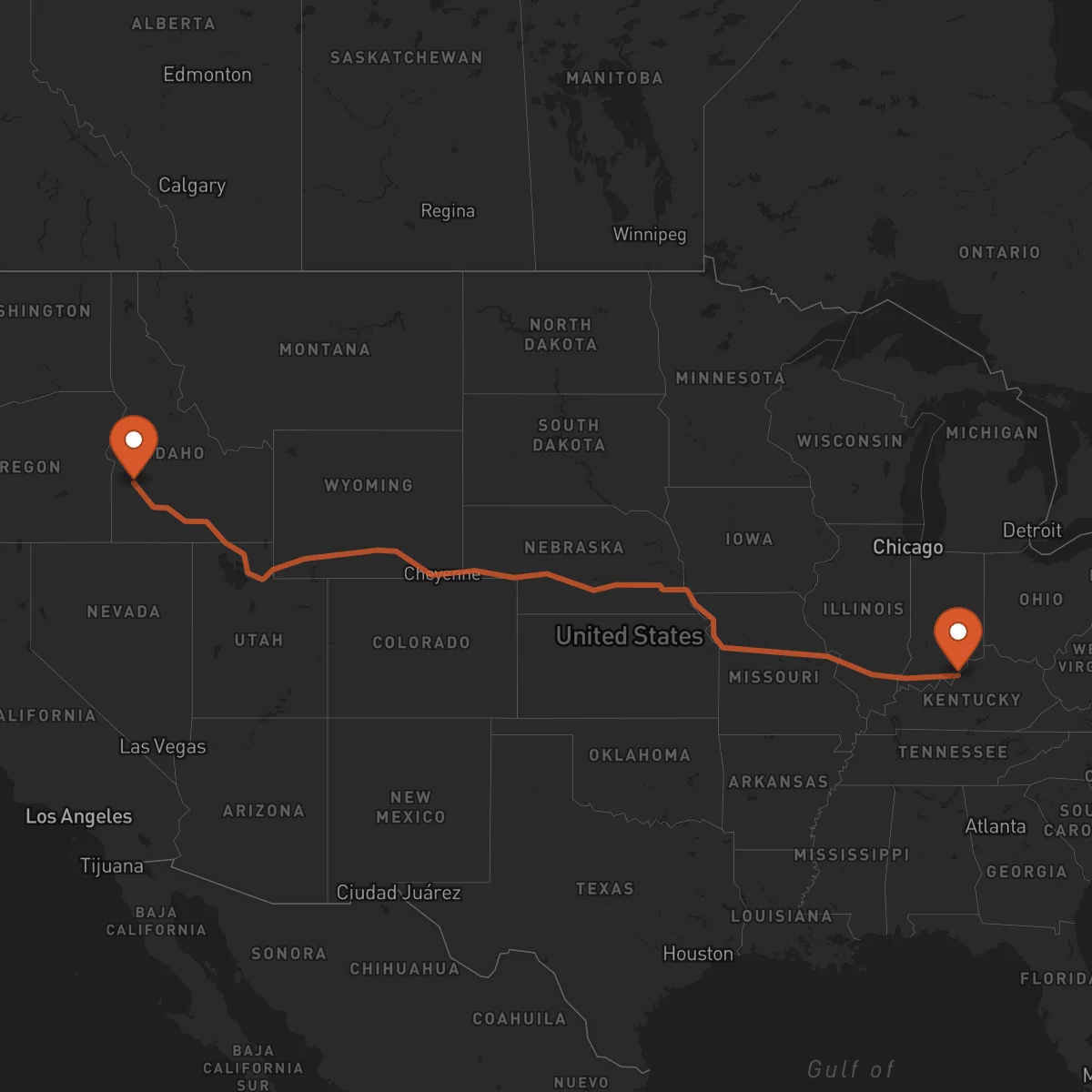
The logistics corridor connecting Louisville, Kentucky, to Boise, Idaho, represents a vital transportation link across the central United States. This 2,610-kilometer domestic route traverses diverse landscapes and connects two strategically positioned cities that serve as major logistics hubs in their respective regions. The corridor facilitates the movement of goods between the Midwest and the Pacific Northwest, supporting the economic integration of these distinct but complementary markets.
The route primarily follows major interstate highways, including I-64 West to I-70 West, then connecting to I-80 West across the central plains and Rocky Mountain regions. This well-established transportation pathway provides reliable access through key states including Indiana, Illinois, Iowa, Nebraska, Wyoming, Utah, and finally Idaho. The infrastructure along this corridor is characterized by modern highways, truck stops, and distribution centers that support efficient freight movement.
Control Terrestre leverages this established corridor to provide seamless FTL transportation services between Louisville and Boise. Our network of certified carriers and strategic partnerships ensures consistent capacity and reliable service across the entire route. We understand the unique challenges of this cross-country journey, including varying terrain, weather conditions, and regulatory requirements across multiple states. Our expertise in managing these complexities allows us to deliver your cargo safely and efficiently, maintaining the integrity of your supply chain from origin to destination.
Services for this Route
Available services for the corridor Louisville - Boise
 Origin
Louisville
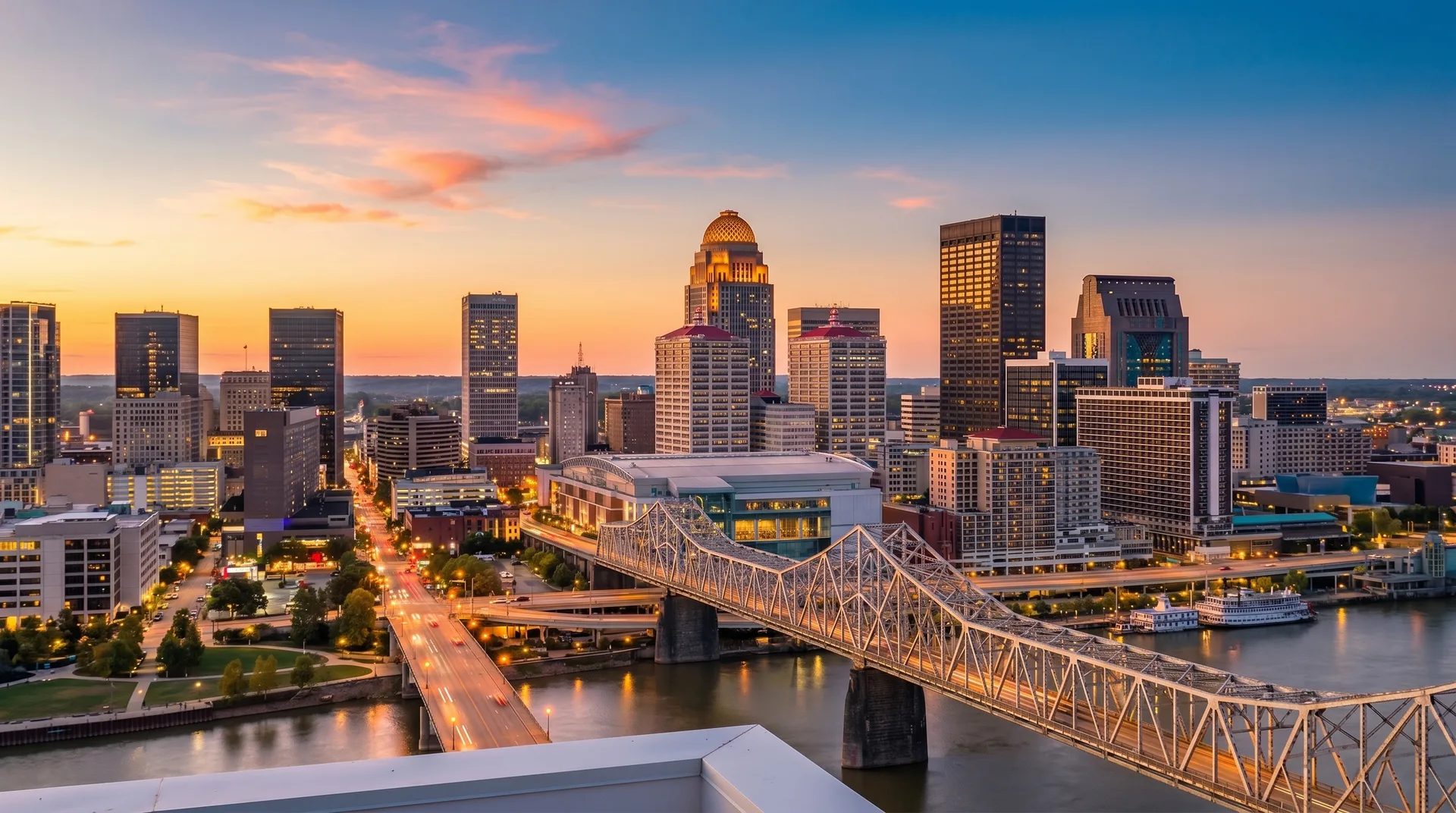
Louisville, Kentucky, serves as a critical logistics hub in the Midwest, strategically positioned along the Ohio River and at the crossroads of major transportation networks. The city's location provides immediate access to I-65, I-64, and I-71, creating a three-legged highway system that connects Louisville to major markets in all directions. Louisville International Airport, home to UPS Worldport, ranks among the busiest cargo airports in the world, handling millions of packages daily. The city's extensive rail network, operated by CSX and Norfolk Southern, further enhances its multimodal transportation capabilities.
The Louisville metropolitan area hosts diverse industries including automotive manufacturing, healthcare, logistics, and bourbon production. Ford and General Motors operate major facilities in the region, while the healthcare sector continues to expand with major hospital systems and medical research institutions. The city's logistics infrastructure includes numerous warehousing and distribution centers, making it an ideal origin point for freight shipments to western destinations.
 Destination
Boise
Boise, Idaho, has emerged as a significant logistics center in the Pacific Northwest, benefiting from its strategic location and growing economic importance. The city sits at the intersection of major transportation routes including I-84, which connects Boise to Portland, Oregon, and Salt Lake City, Utah. The Boise Airport handles substantial cargo traffic, supporting the region's e-commerce and manufacturing sectors. The Port of Lewiston, located approximately 100 miles northwest of Boise, provides barge access to the Pacific Ocean via the Snake and Columbia rivers, creating multimodal shipping options for the region.
The Boise metropolitan area has experienced rapid growth in technology, manufacturing, and agriculture-related industries. The region hosts numerous tech companies, food processing facilities, and agricultural operations that rely on efficient transportation networks. Boise's proximity to natural resources and outdoor recreation opportunities has also fostered a growing outdoor gear and equipment manufacturing sector. The city's expanding logistics infrastructure includes modern distribution centers and cross-docking facilities that support both inbound and outbound freight movements.










