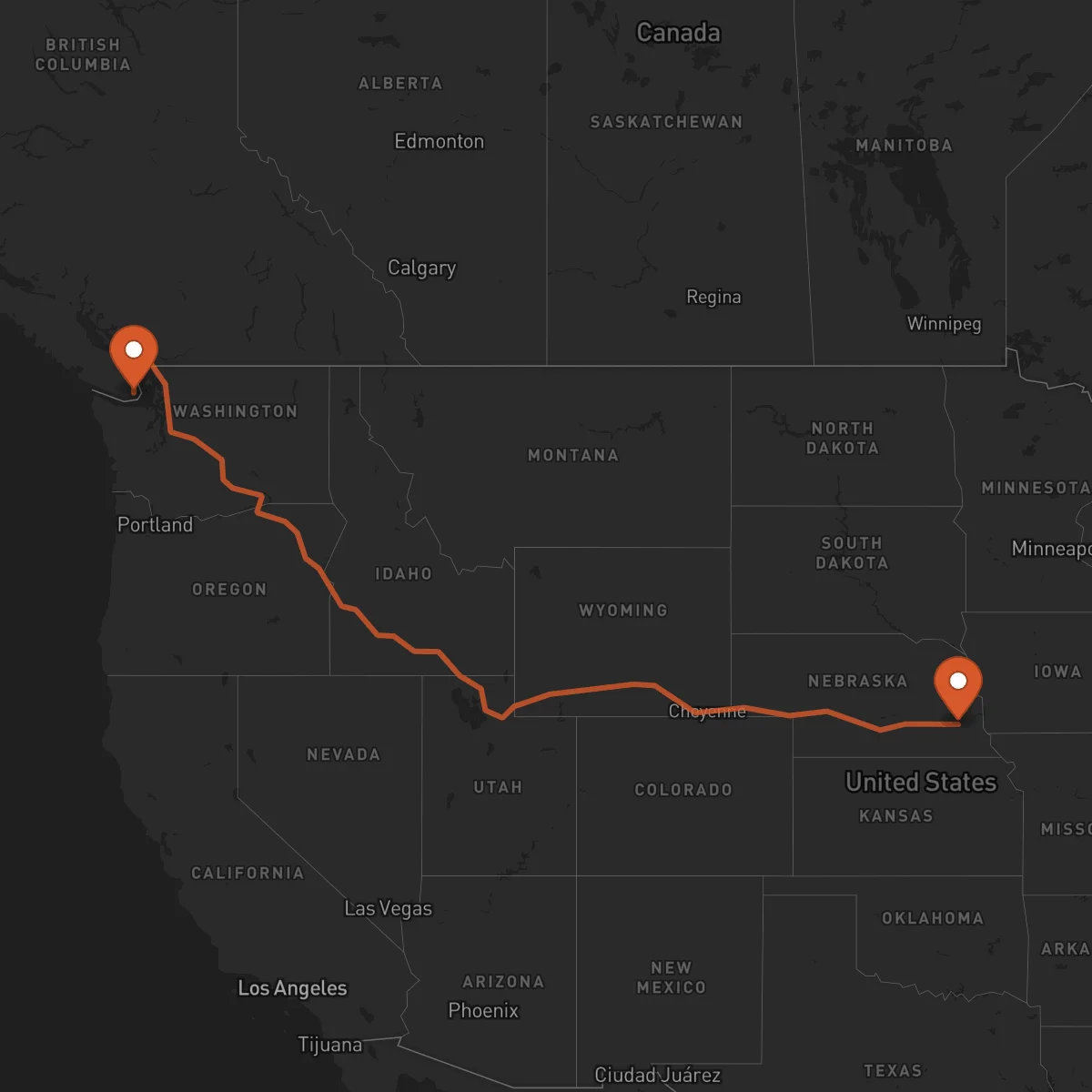
Lincoln to Victoria
Victoria → LincolnFTL freight transportation service between Lincoln and Victoria. Reliable logistics solutions for your business.
Route Description
Everything you need to know about the corridor Lincoln - Victoria
The logistics corridor connecting Lincoln, Nebraska, to Victoria, British Columbia, represents a vital cross-border transportation route spanning approximately 2,259 kilometers. This corridor links the agricultural heartland of the American Midwest with the Pacific Northwest's major port city, facilitating the movement of goods between the United States and Canada. The route traverses diverse landscapes and crosses multiple state and provincial borders, requiring expertise in cross-border logistics and customs compliance.
The economic significance of this corridor is substantial, connecting Lincoln's agricultural and manufacturing sectors with Victoria's thriving technology, tourism, and port-based industries. Lincoln serves as a crucial distribution hub for agricultural products, machinery, and manufactured goods, while Victoria's strategic coastal location makes it a gateway for international trade through the Port of Victoria and its connections to Asian markets. This complementary economic relationship drives consistent freight volumes along this corridor.
Key transportation infrastructure includes Interstate 80 westbound from Lincoln, connecting to Interstate 90 near Sioux Falls, South Dakota, which continues northwest through Montana before entering Canada. From there, major highways such as the Trans-Canada Highway provide access to British Columbia. The primary border crossing for this route is typically the Kingsgate Port of Entry near Cranbrook, British Columbia, though alternative crossings may be utilized based on specific shipment requirements. Control Terrestre's expertise in managing cross-border documentation, customs clearance, and regulatory compliance ensures seamless freight movement along this important North American trade corridor.
Services for this Route
Available services for the corridor Lincoln - Victoria
 Origin
Lincoln
Lincoln, Nebraska, serves as a strategic logistics hub in the American Midwest, offering exceptional connectivity and infrastructure for freight transportation. Located in the heart of the Great Plains, Lincoln benefits from its position along Interstate 80, a major east-west transportation artery that connects the East and West Coasts of the United States. The city's central location provides access to a vast network of highways, rail lines, and air cargo facilities, making it an ideal origin point for freight distribution across North America.
The economic landscape of Lincoln is diverse, with strong agricultural, manufacturing, and technology sectors driving freight demand. The region is a major producer of agricultural commodities, including corn, soybeans, and livestock products, which require reliable transportation to domestic and international markets. Additionally, Lincoln's manufacturing sector produces machinery, electronics, and other industrial goods that contribute to the city's robust freight volumes. The presence of major distribution centers and warehousing facilities further enhances Lincoln's role as a critical logistics node in the region.
 Destination
Victoria
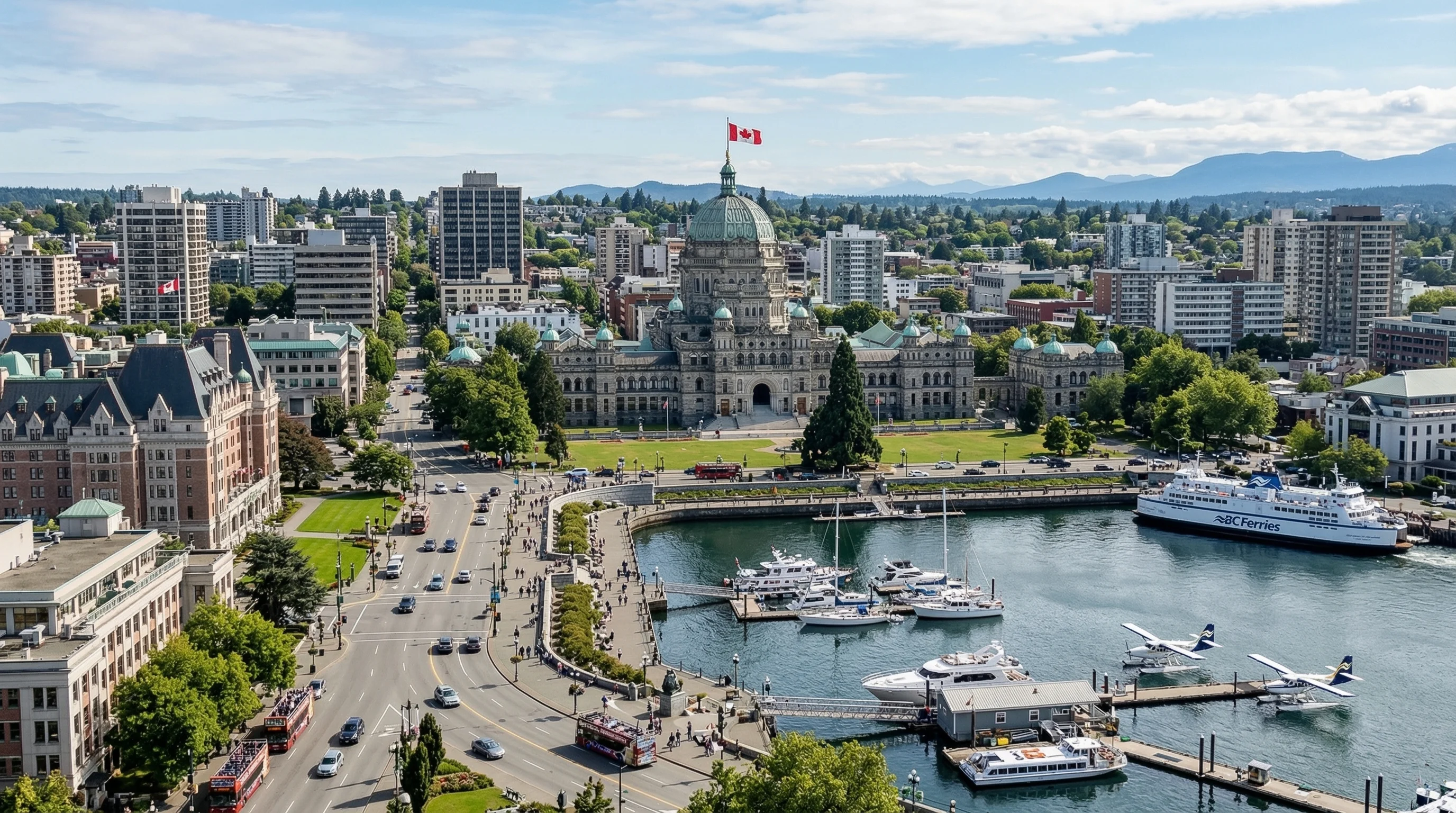
Victoria, British Columbia, is a strategic logistics destination on Canada's Pacific coast, offering unique advantages for freight transportation and international trade. Located on Vancouver Island, Victoria serves as a gateway to the Pacific Northwest and provides access to major ports, including the Port of Victoria and the nearby Port of Vancouver. The city's coastal location and well-developed transportation infrastructure make it an ideal destination for goods entering and exiting Canada, particularly those destined for the United States or international markets.
The economic profile of Victoria is characterized by a mix of technology, tourism, and service industries, alongside a growing emphasis on sustainable development and green logistics. The region's ports handle a wide range of cargo, including containerized goods, bulk commodities, and specialized shipments. Victoria's proximity to major urban centers in British Columbia and its connections to the broader Canadian and U.S. markets make it a key node in the North American supply chain. The city's commitment to innovation and sustainability also aligns with modern freight transportation practices, ensuring efficient and environmentally responsible logistics operations.










