
Laredo to San Ignacio
San Ignacio → LaredoFTL freight transportation service between Laredo and San Ignacio. Reliable logistics solutions for your business.
Route Description
Everything you need to know about the corridor Laredo - San Ignacio
The Laredo-San Ignacio corridor represents a vital logistics connection between North America and Central America, spanning approximately 1,572 kilometers through key commercial regions. This cross-border route facilitates the movement of goods from one of the busiest inland ports in the United States to the heart of Belize's agricultural and tourism regions. The corridor traverses diverse terrain and crosses international borders, making it essential for companies engaged in regional trade and supply chain operations.
The economic significance of this corridor is substantial, connecting major industrial centers in Texas with growing markets in Belize. Laredo serves as a gateway for international trade, while San Ignacio functions as a commercial hub for Belize's western region. The route supports industries including automotive parts, electronics, agricultural products, construction materials, and consumer goods. Manufacturing facilities and distribution centers along the corridor benefit from this strategic connection that links North American production with Central American markets.
Transportation infrastructure along this corridor includes major highways such as Interstate 35 connecting Laredo to Mexico, and subsequent routes through Central America. The route involves crossing at key border points with established customs facilities and processing capabilities. Control Terrestre provides comprehensive logistics solutions for this corridor, leveraging our certified transportation network and expertise in cross-border operations. Our team ensures seamless coordination across international boundaries, handling all necessary documentation and compliance requirements to maintain efficient freight movement from origin to destination.
Services for this Route
Available services for the corridor Laredo - San Ignacio
 Origin
Laredo
Laredo, Texas serves as a critical logistics hub positioned on the U.S.-Mexico border, functioning as one of the nation's busiest inland ports of entry. The city's strategic location at the intersection of major trade routes makes it an ideal starting point for cross-border freight operations. Laredo's economy is heavily influenced by international trade, with strong presence in transportation, warehousing, and logistics services. The region hosts numerous manufacturing facilities, particularly in automotive and electronics sectors, benefiting from proximity to Mexican production centers and access to both U.S. and Mexican markets.
The transportation infrastructure in Laredo is exceptionally well-developed, featuring multiple highway connections including Interstate 35, which extends from Laredo to the Canadian border. The city is served by Laredo International Airport and is in proximity to major rail terminals operated by Union Pacific and Kansas City Southern. The World Trade Bridge and other border crossings provide efficient access to Mexico, while extensive warehousing and distribution facilities support the region's role as a major logistics center.
 Destination
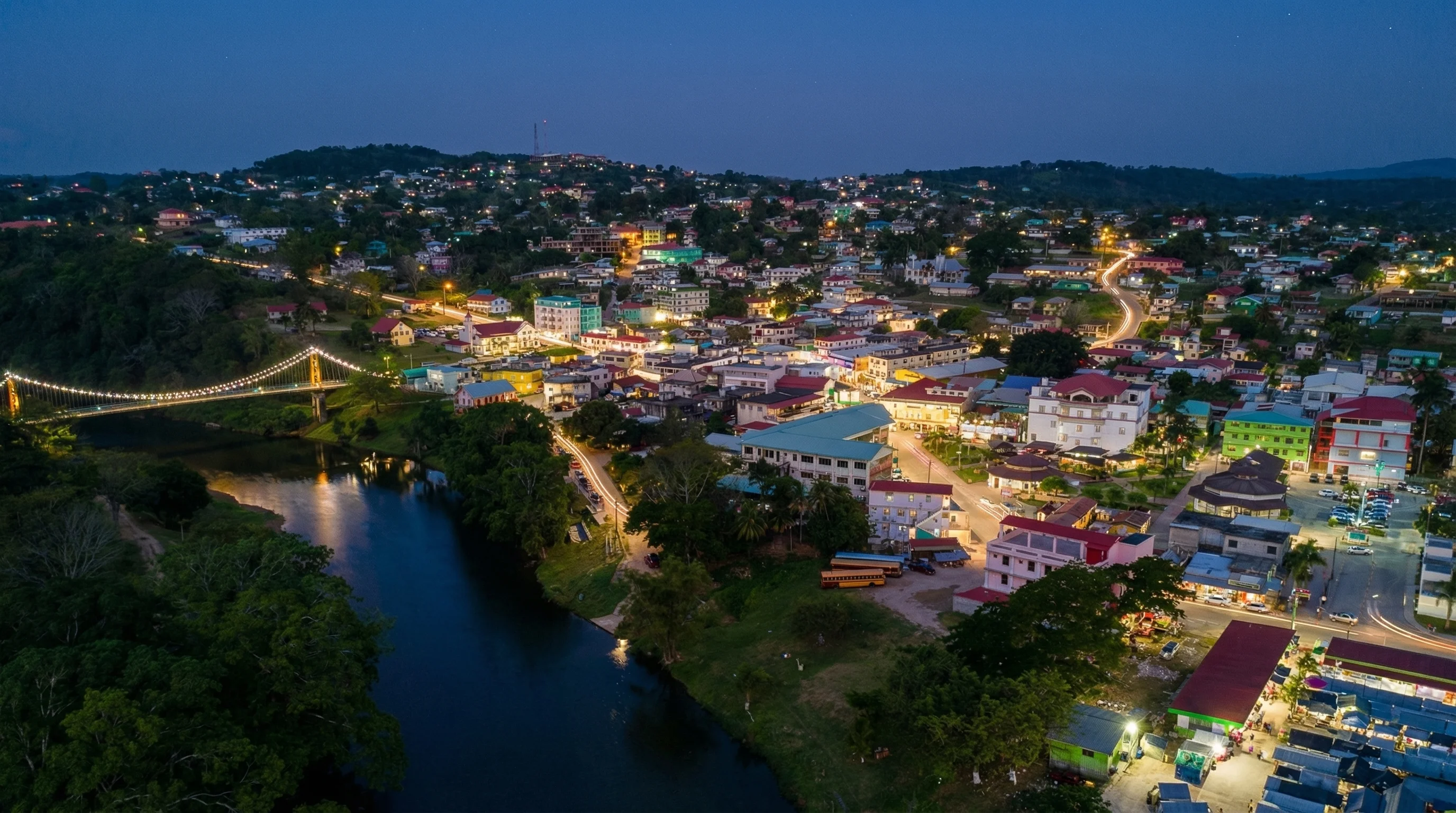
San Ignacio, located in Belize's Cayo District, serves as a strategic commercial center in western Belize, positioned near the Guatemalan border. This location makes it a crucial point for regional trade and distribution throughout Belize and neighboring countries. The area's economy is diverse, with strong agricultural production including citrus, sugar, and various crops, complemented by a growing tourism industry centered around eco-tourism and Mayan archaeological sites. San Ignacio functions as a gateway to Belize's interior regions and supports various commercial activities for the surrounding communities.
The transportation infrastructure in San Ignacio includes the George Price Highway connecting to Belize City and other major centers, along with secondary roads providing access to rural areas and the Guatemalan border. While the region's road network is less extensive than in more developed areas, it adequately serves the local economy's needs. The area's proximity to natural resources and tourist attractions influences the types of goods transported through the corridor, with agricultural products, construction materials, and consumer goods being primary freight categories.










