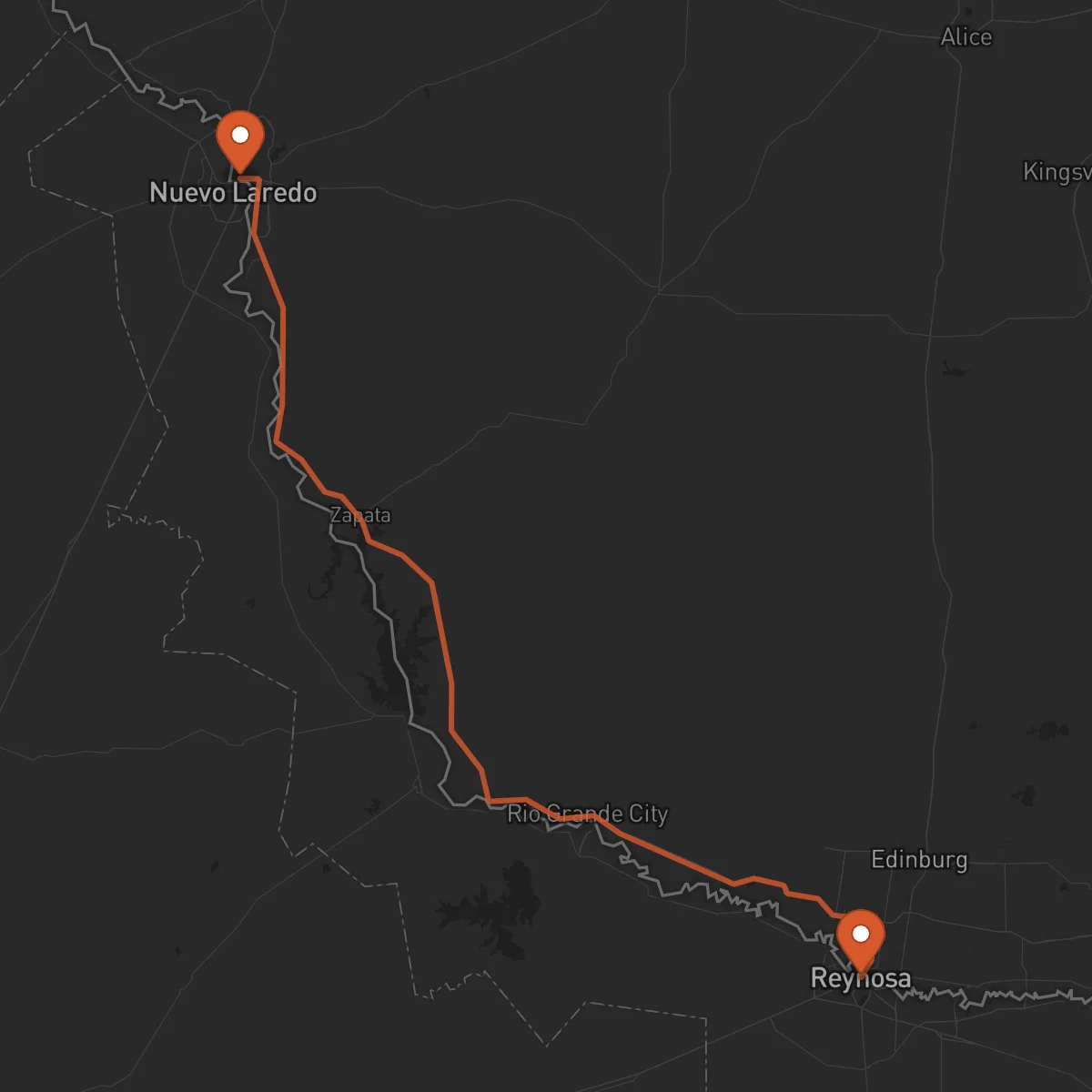
Laredo to Reynosa
Reynosa → LaredoFTL freight transportation service between Laredo and Reynosa. Reliable logistics solutions for your business.
Route Description
Everything you need to know about the corridor Laredo - Reynosa
The Laredo-Reynosa corridor represents one of the most vital cross-border freight transportation routes in North America. This 199-kilometer connection links the bustling Texas border city of Laredo with its Mexican counterpart Reynosa, creating a seamless logistics channel between the United States and Mexico. This corridor serves as a critical artery for international trade, facilitating the movement of goods between two major economic zones and supporting the integrated manufacturing and distribution networks that characterize the US-Mexico-Canada trade relationship.
The region's economic significance stems from its strategic location along the busiest commercial border crossing in the Western Hemisphere. Laredo processes billions of dollars in trade annually, while Reynosa has established itself as a key manufacturing hub, particularly in automotive, electronics, and aerospace industries. This corridor enables just-in-time manufacturing processes and supports the complex supply chains that span both sides of the border.
Transportation infrastructure along this route includes major highways such as Interstate 35 connecting Laredo to the north and Mexican Federal Highway 85 linking to Reynosa. The corridor benefits from multiple border crossing options, with the Colombia-Solidarity International Bridge serving as a primary crossing point. Control Terrestre's expertise in navigating customs procedures, documentation requirements, and cross-border regulations ensures smooth operations for our clients, whether they're shipping automotive components, electronics, or industrial equipment between these two strategic locations.
Services for this Route
Available services for the corridor Laredo - Reynosa
 Origin
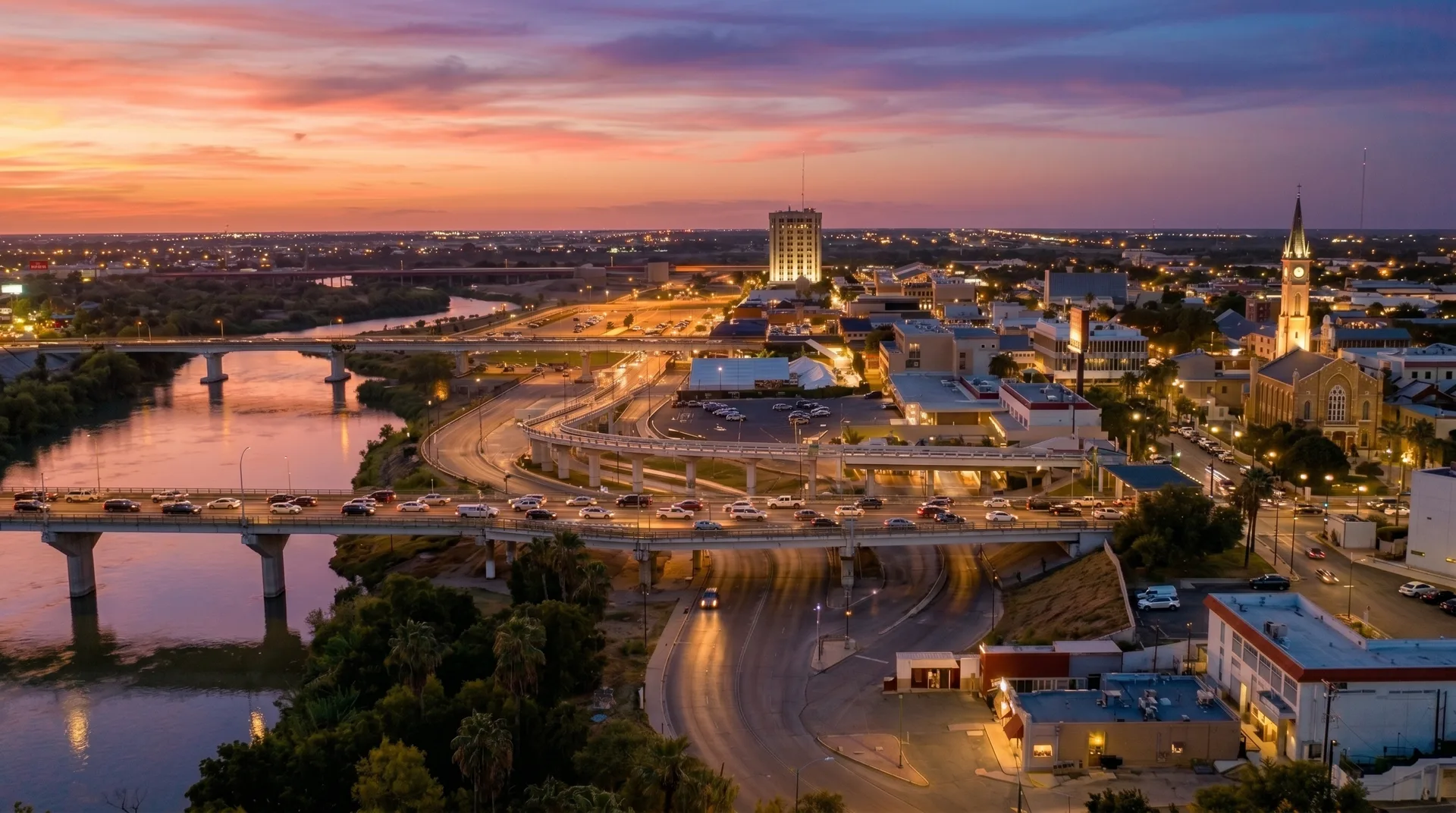
Laredo
Laredo, Texas stands as one of the most important logistics hubs in the United States, strategically positioned on the US-Mexico border. The city processes more international trade than any other port of entry in the country, with its location making it a natural gateway for freight moving between North America's two largest economies. Laredo's economy is heavily focused on international trade, warehousing, and transportation services, with major distribution centers and logistics facilities serving companies throughout the region.
The city's transportation infrastructure is exceptional, featuring direct connections to Interstate 35, which runs north-south through the central United States. Laredo benefits from multiple rail connections through Union Pacific and other carriers, extensive warehousing facilities, and proximity to major airports. The city's industrial base includes significant activity in retail distribution, automotive parts, and electronics, all of which rely on efficient cross-border transportation services to maintain their supply chains.
 Destination
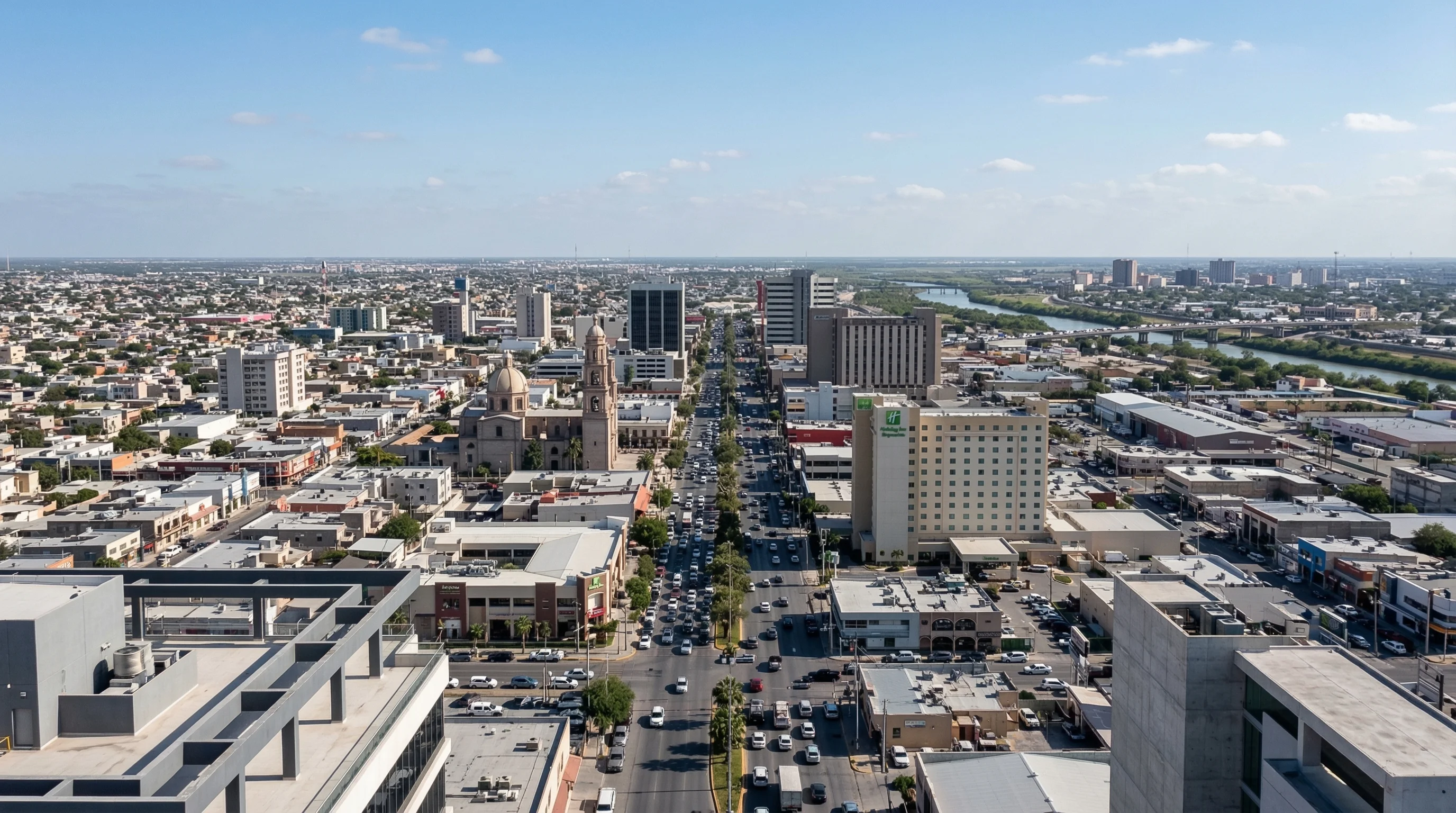
Reynosa
Reynosa, Tamaulipas represents a crucial manufacturing and logistics center in northeastern Mexico, located directly across the border from McAllen, Texas. The city has developed into a major industrial powerhouse, particularly in the automotive, electronics, and aerospace sectors, with numerous maquiladora facilities serving both domestic and international markets. Reynosa's strategic location provides companies with access to both Mexican and US markets, making it an ideal location for manufacturing operations that require cross-border supply chain integration.
The city's transportation infrastructure includes excellent highway connections to other major Mexican cities and direct access to the US border. Reynosa is served by Mexican Federal Highway 85, which connects to the border crossing at Colombia-Solidarity International Bridge. The city also benefits from rail connections through Kansas City Southern de México and has developed industrial parks with modern warehousing and distribution facilities. Reynosa's economic development has been driven by its ability to attract foreign investment and its integration into North American supply chains.










