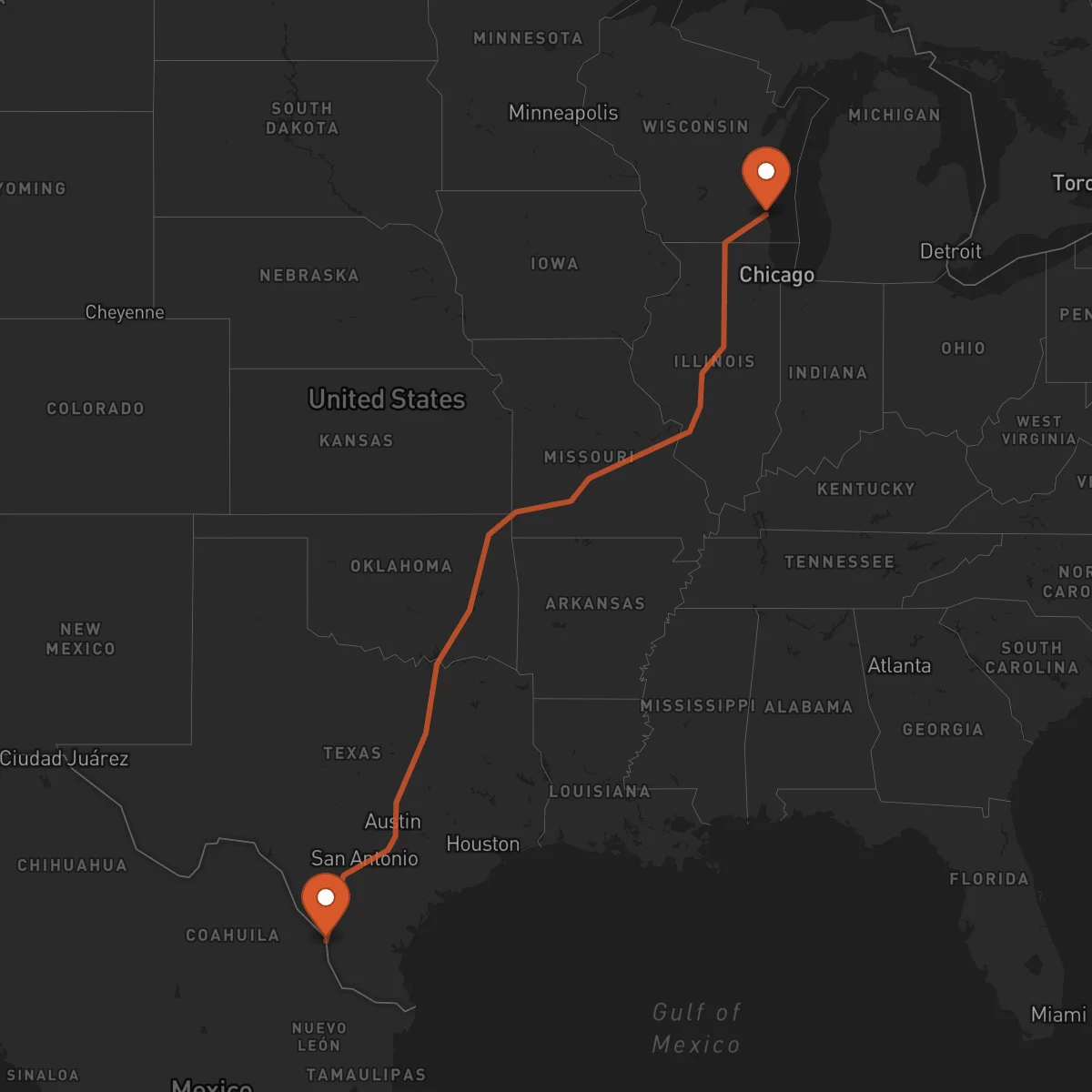
Laredo to Milwaukee
Milwaukee → LaredoFTL freight transportation service between Laredo and Milwaukee. Reliable logistics solutions for your business.
Route Description
Everything you need to know about the corridor Laredo - Milwaukee
The Laredo-Milwaukee corridor represents a vital logistics artery connecting the southern border of the United States with the industrial heartland of the Midwest. This 2,019-kilometer route traverses diverse landscapes and economic regions, facilitating the movement of goods between Texas's border economy and Wisconsin's manufacturing powerhouse. The corridor serves as a critical link in the North American supply chain, enabling seamless freight transportation from Mexico's manufacturing sector to the industrial consumers and distributors in the Great Lakes region.
The economic significance of this corridor is underscored by the complementary industrial activities along its path. Laredo's strategic position as a major trade gateway processes billions of dollars in cross-border commerce annually, while Milwaukee stands as a manufacturing and distribution hub for industries including machinery, food processing, and transportation equipment. The route connects major economic centers including San Antonio, Austin, Dallas-Fort Worth, and Chicago, creating a comprehensive logistics network that supports diverse industries from automotive to consumer goods.
Control Terrestre optimizes operations along this corridor through our extensive network of certified transportation providers and specialized equipment. Our full truckload (FTL) services ensure dedicated capacity for your freight, eliminating the delays and handling risks associated with consolidated shipping. We leverage our C-TPAT and FAST-certified partners to facilitate smooth cross-border operations and maintain the efficiency of your supply chain from origin to destination.
Services for this Route
Available services for the corridor Laredo - Milwaukee
 Origin
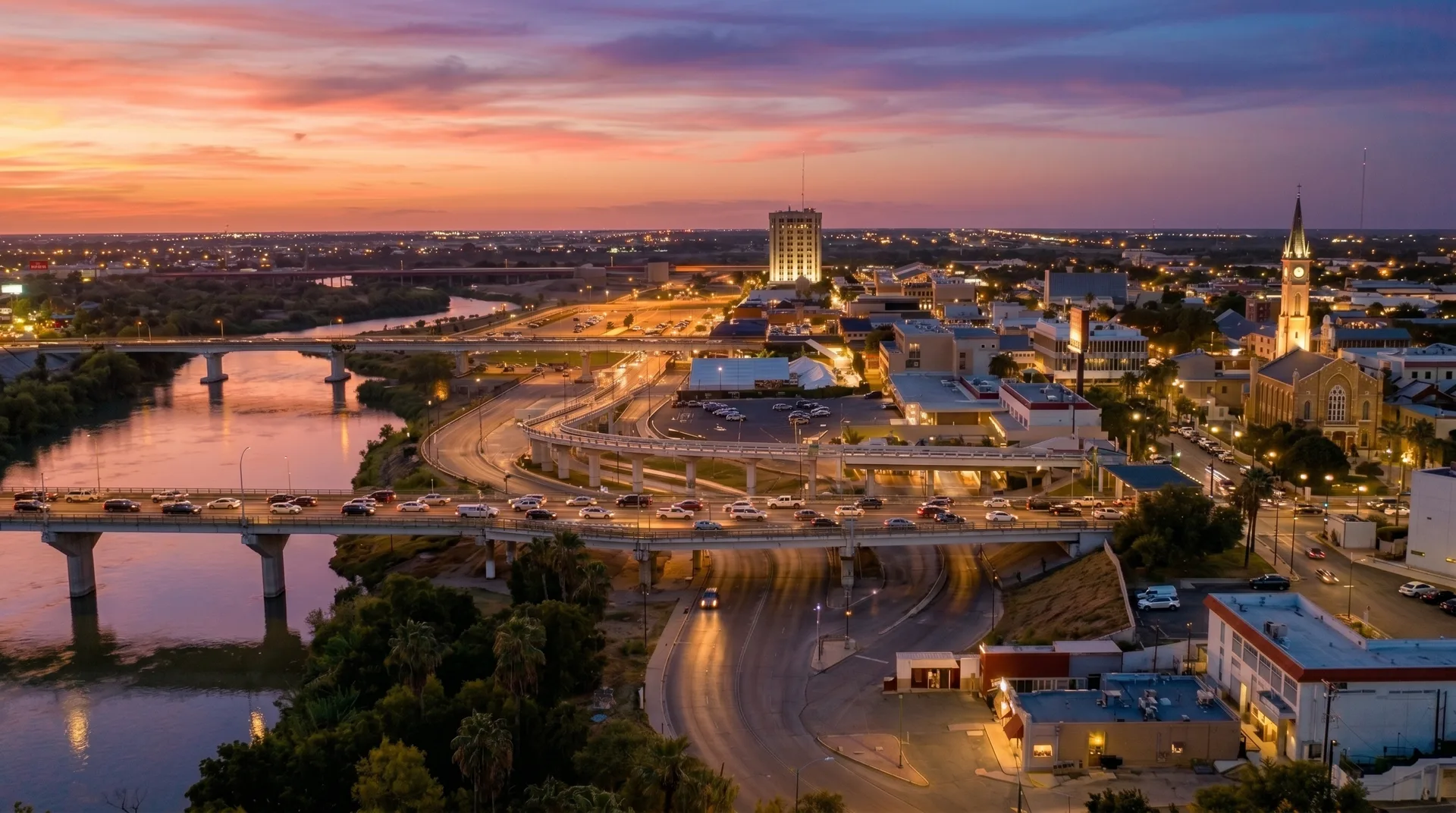
Laredo
Laredo, Texas serves as one of the busiest inland ports in the United States, strategically positioned on the U.S.-Mexico border. This location makes it a critical gateway for international trade, processing over $200 billion in annual trade volume. The city's economy is heavily oriented toward logistics and transportation, with multiple international bridges facilitating the movement of goods between the two countries. Laredo's infrastructure includes extensive warehousing facilities, cross-dock operations, and a sophisticated network of highways including I-35, which provides direct access to major U.S. markets. The region's proximity to Mexico's manufacturing centers and its designation as a Foreign Trade Zone make it an ideal origin point for freight destined for the Midwest and beyond.
 Destination
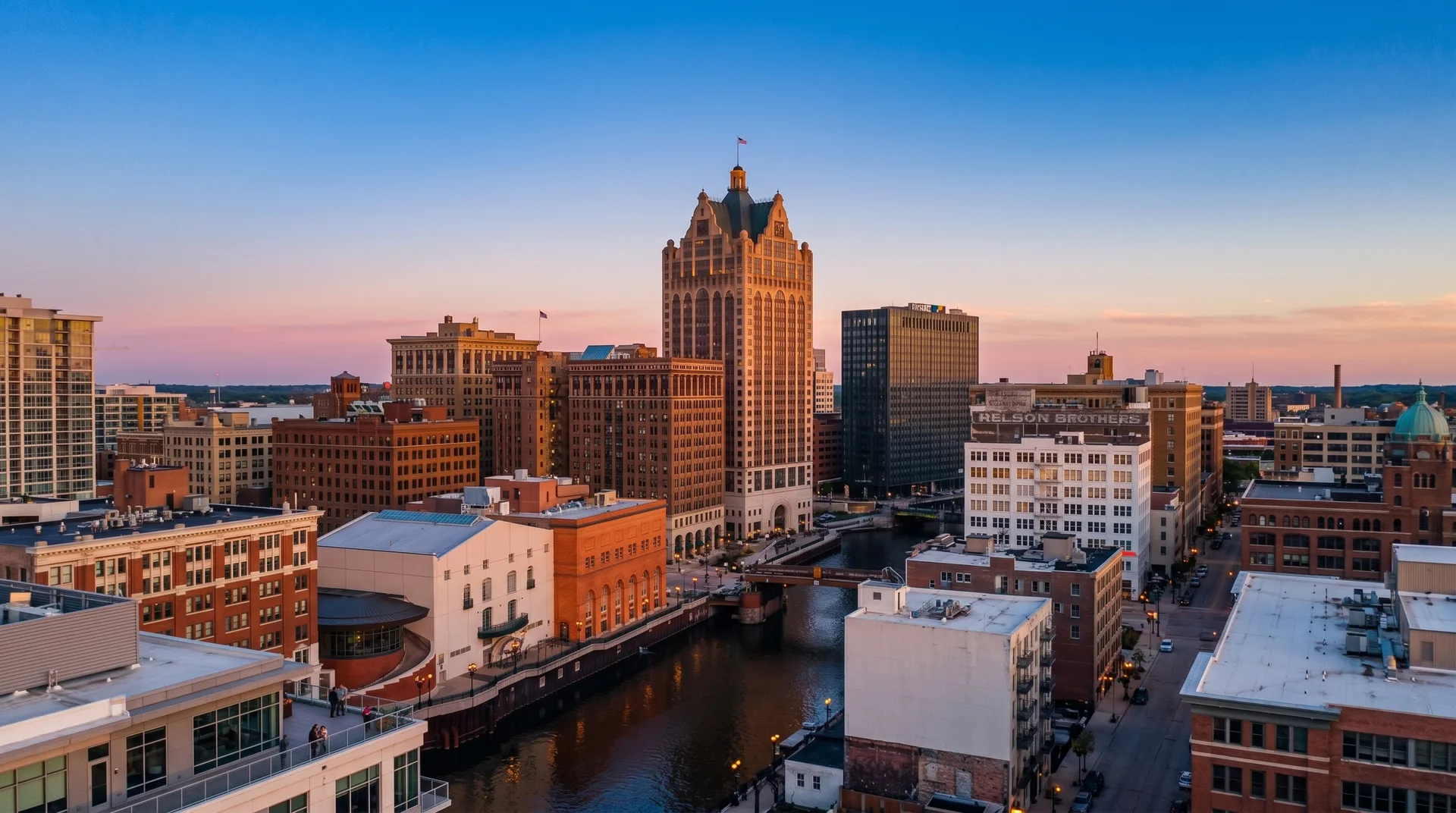
Milwaukee
Milwaukee, Wisconsin stands as a major industrial and logistics hub in the American Midwest, strategically positioned on the western shore of Lake Michigan. The city serves as a gateway to the Great Lakes region and benefits from its proximity to Chicago, one of the nation's largest freight consolidation points. Milwaukee's economy is anchored by advanced manufacturing, food processing, and brewing industries, with companies like Harley-Davidson and Rockwell Automation maintaining significant operations in the area. The region's transportation infrastructure includes extensive rail networks, the Port of Milwaukee for Great Lakes shipping, and major highways such as I-94 and I-43 that connect to the broader Midwest distribution network. This strategic location makes Milwaukee an ideal destination for freight from the southern border, providing efficient access to both local markets and broader distribution throughout the northern United States.










