
Laredo to Managua
Managua → LaredoFTL freight transportation service between Laredo and Managua. Reliable logistics solutions for your business.
Route Description
Everything you need to know about the corridor Laredo - Managua
The logistics corridor between Laredo, Texas, and Managua, Nicaragua, represents a vital trade route connecting the United States with Central America. Spanning approximately 2,200 kilometers, this cross-border corridor facilitates the movement of goods between North and Central America, supporting regional economic integration and supply chain efficiency. The route traverses diverse terrain and crosses multiple international borders, requiring specialized logistics expertise to ensure seamless operations.
The economic significance of this corridor is substantial, serving as a backbone for trade between major manufacturing centers in Mexico and industrial hubs in Central America. The corridor connects with Mexico's extensive manufacturing base, particularly in the automotive, electronics, and aerospace sectors, before extending into Nicaragua's growing industrial landscape. This route is particularly crucial for companies engaged in nearshoring operations and those seeking to optimize their supply chains between North and Central American markets.
Key transportation infrastructure along this corridor includes Mexico's Federal Highway 85 and Highway 57, which provide reliable north-south connectivity. The route passes through strategic border crossings at Laredo/Nuevo Laredo and other key points, where customs procedures and documentation requirements must be expertly managed. Control Terrestre's comprehensive knowledge of cross-border regulations, customs documentation, and regional transportation requirements ensures that shipments move efficiently through this complex international corridor, minimizing delays and optimizing delivery times.
Services for this Route
Available services for the corridor Laredo - Managua
 Origin
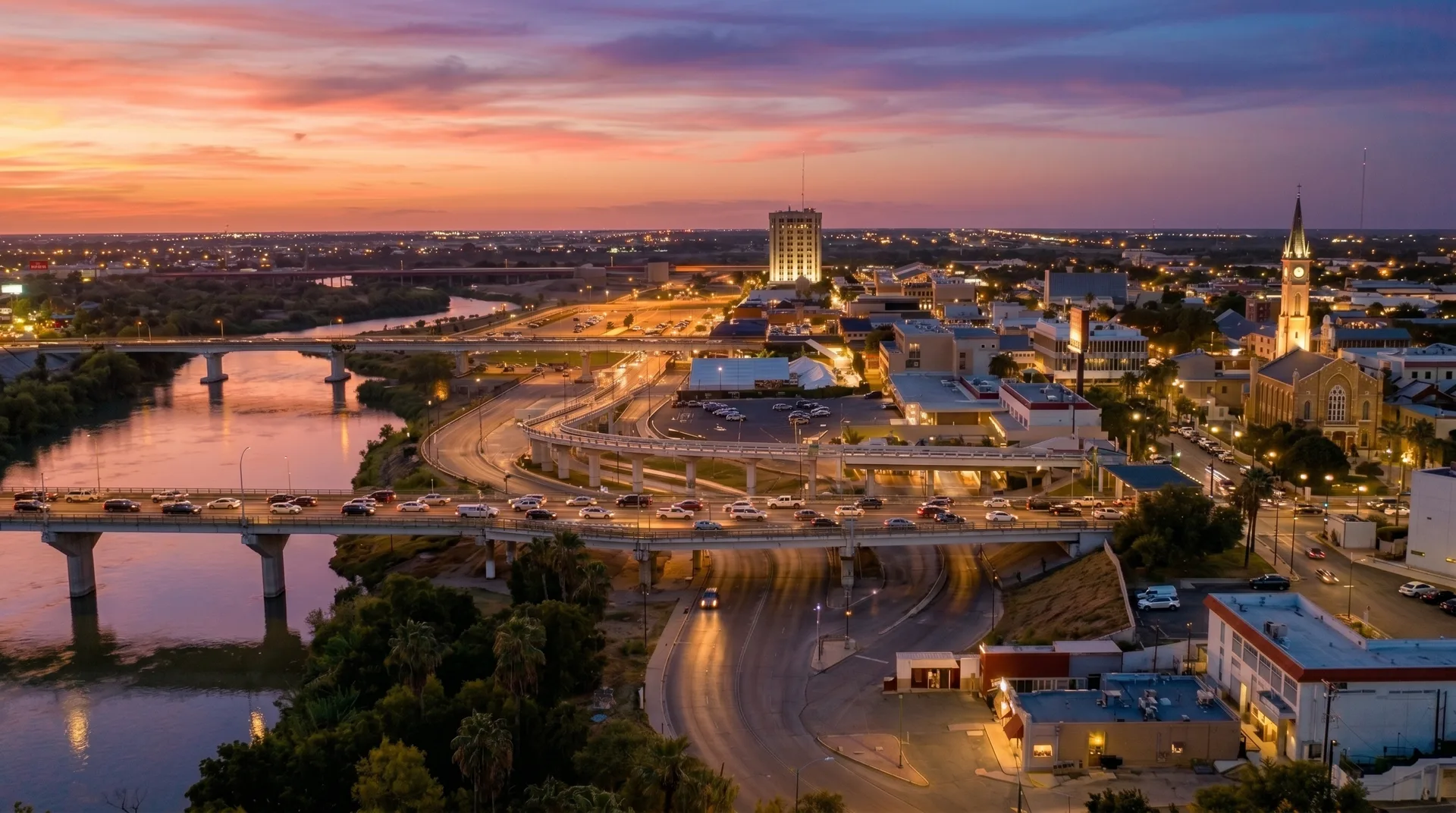
Laredo
Laredo, Texas, serves as a critical logistics hub at the U.S.-Mexico border, strategically positioned to facilitate cross-border trade between the two nations. As one of the busiest inland ports in the United States, Laredo handles billions of dollars in trade annually, with extensive warehousing, distribution centers, and transportation infrastructure. The city's location provides immediate access to major interstate highways (I-35) and direct connections to Mexico's transportation network, making it an ideal origin point for shipments heading south.
The region's economic base includes significant activity in international trade, manufacturing, and logistics services. Laredo's industrial sectors benefit from the North American Free Trade Agreement (USMCA) framework and the city's designation as a Foreign Trade Zone, which provides tax advantages for import/export operations. The area hosts numerous logistics providers, freight forwarders, and customs brokers who specialize in cross-border operations, creating a comprehensive ecosystem for international trade facilitation.
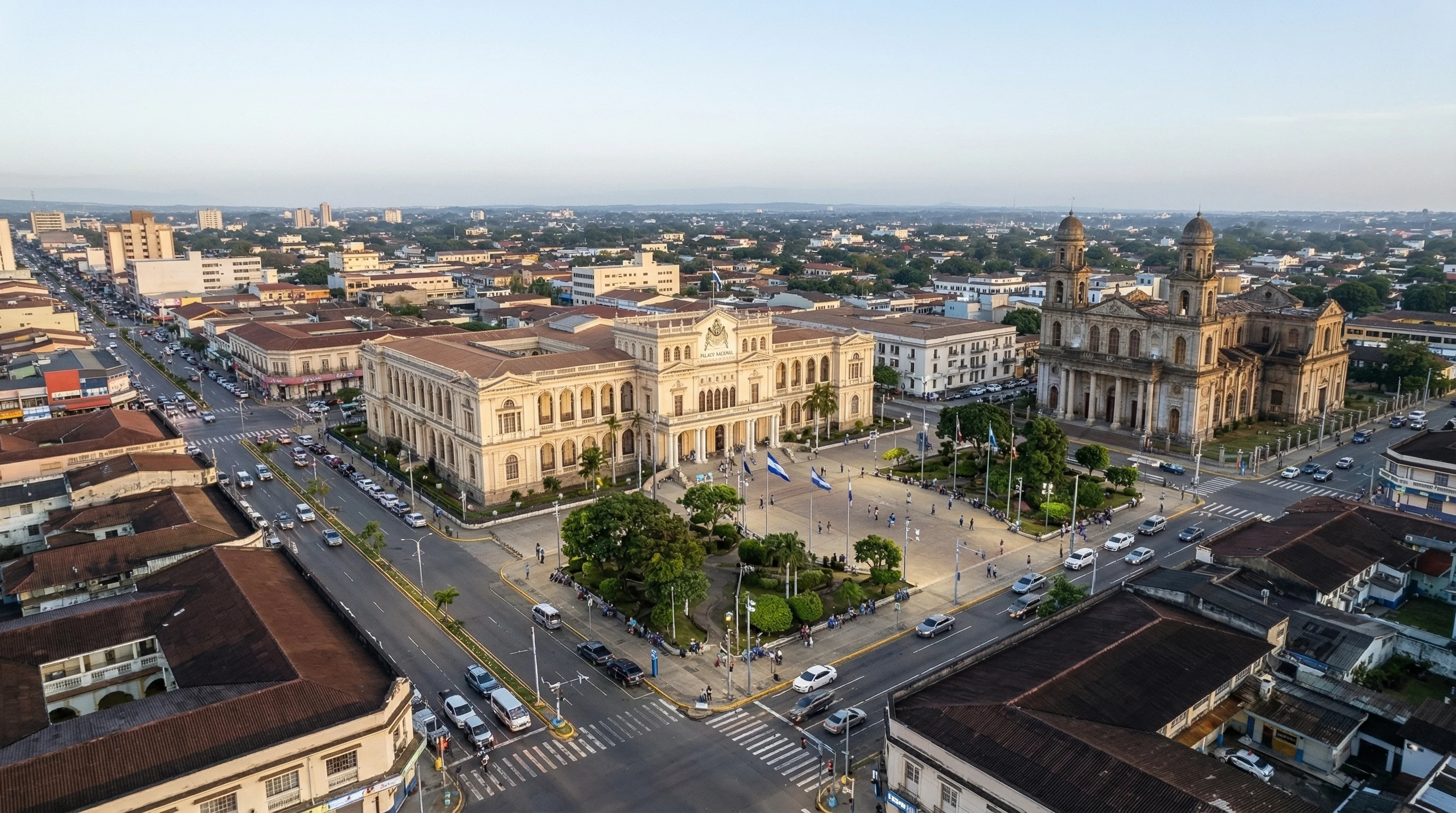 Destination
Managua, the capital and largest city of Nicaragua, serves as the primary industrial and commercial center of the country, making it a strategic destination for freight transportation. Located in the Pacific lowlands region, Managua offers access to major ports including Corinto, which handles the majority of Nicaragua's maritime cargo. The city's central location within Nicaragua provides efficient distribution capabilities to both Pacific and Caribbean regions of the country.
The Nicaraguan capital hosts a diverse industrial base including food processing, textiles, chemicals, and light manufacturing. Recent economic development has attracted foreign investment in various sectors, creating increased demand for reliable freight transportation services. Managua's transportation infrastructure includes access to the Pan-American Highway and connections to regional road networks, facilitating distribution throughout Central America. The city's growing industrial parks and free trade zones continue to expand opportunities for international trade and logistics operations.










