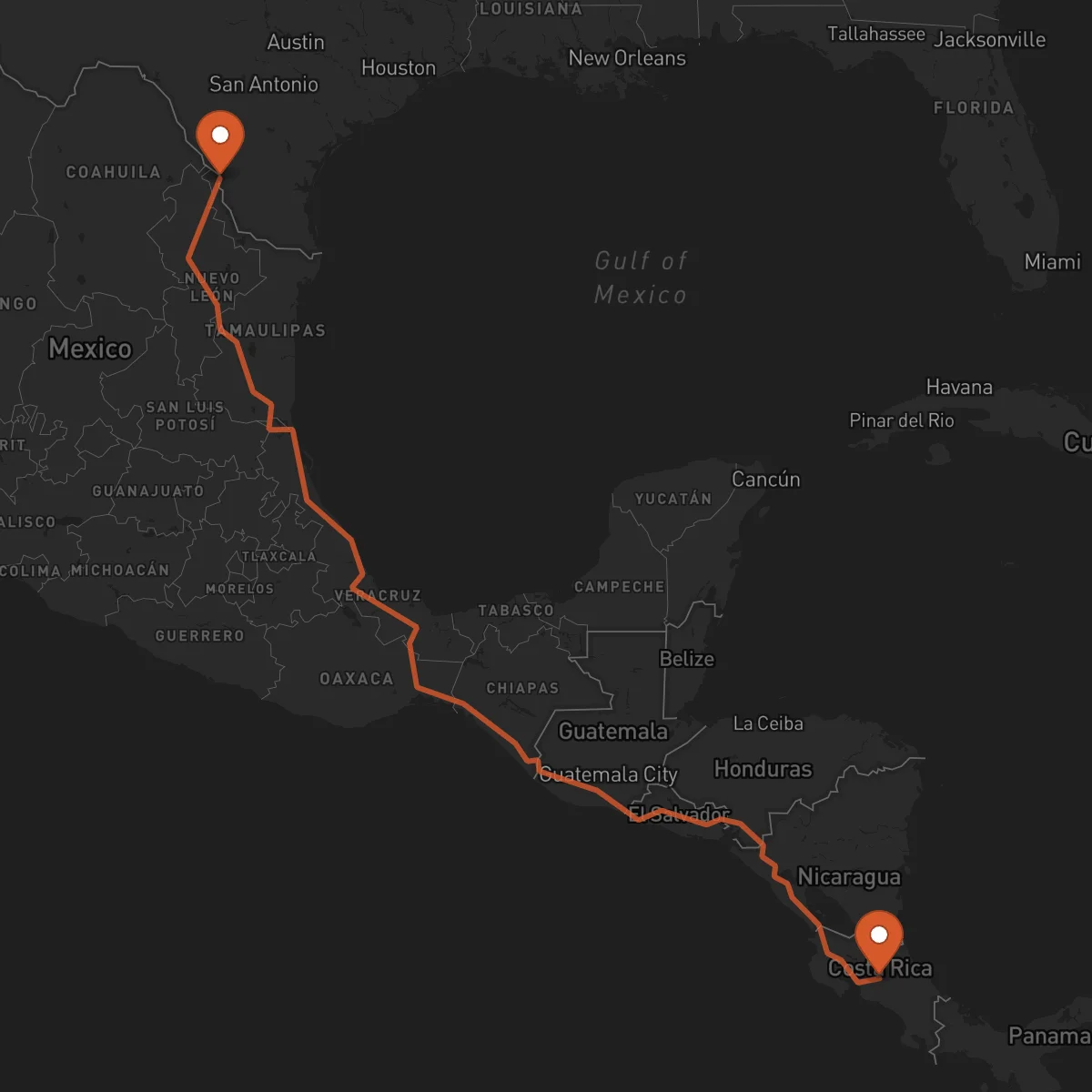
Laredo to Alajuela
Alajuela → LaredoFTL freight transportation service between Laredo and Alajuela. Reliable logistics solutions for your business.
Route Description
Everything you need to know about the corridor Laredo - Alajuela
The Laredo-Alajuela logistics corridor represents a vital trade connection between the United States and Central America, spanning approximately 2,519 kilometers through Mexico and Guatemala before reaching Costa Rica. This cross-border route serves as a crucial artery for commerce, connecting North American manufacturing capabilities with Central American markets and distribution networks.
The corridor traverses a diverse economic landscape, passing through industrial hubs in northern Mexico, agricultural regions in southern Mexico and Guatemala, and finally entering Costa Rica's developed manufacturing and technology sectors. Major industries utilizing this route include automotive parts, electronics, agricultural products, consumer goods, and industrial equipment. The route primarily follows Mexico's Federal Highway 85 and Federal Highway 190, transitioning to Guatemala's CA-9 highway, and then connecting through El Salvador and Honduras before entering Costa Rica via the Inter-American Highway.
Key border crossings include Laredo-Nuevo Laredo, Ciudad Hidalgo-Suchiate (Mexico-Guatemala), and various points along the El Salvador-Honduras-Costa Rica corridor. Control Terrestre facilitates seamless operations across this complex route through our experienced carrier network, ensuring compliance with customs regulations, managing documentation requirements, and providing real-time tracking throughout the journey. Our specialized knowledge of cross-border procedures and established relationships with customs brokers at each crossing point helps minimize delays and ensures efficient cargo movement from origin to destination.
Services for this Route
Available services for the corridor Laredo - Alajuela
 Origin
Laredo
Laredo, Texas serves as a critical logistics hub on the US-Mexico border, strategically positioned to facilitate cross-border trade. The city handles over 40% of all land trade between the United States and Mexico, making it one of the busiest inland ports in the country. Laredo's economy is heavily focused on international trade, logistics, and transportation services, with numerous warehousing facilities, distribution centers, and cross-docking operations supporting the movement of goods across the border.
The city boasts extensive transportation infrastructure including the World Trade International Bridge, Colombia Solidarity Bridge, and Gateway to the Americas International Bridge, providing multiple crossing options. Laredo benefits from direct connections to major US highways including I-35, which extends from Laredo through the heart of the United States to the Midwest and beyond. The area is served by the Laredo International Airport and is in proximity to the Port of Corpus Christi for sea freight connections, creating a comprehensive multimodal transportation network ideal for freight forwarding operations.
 Destination
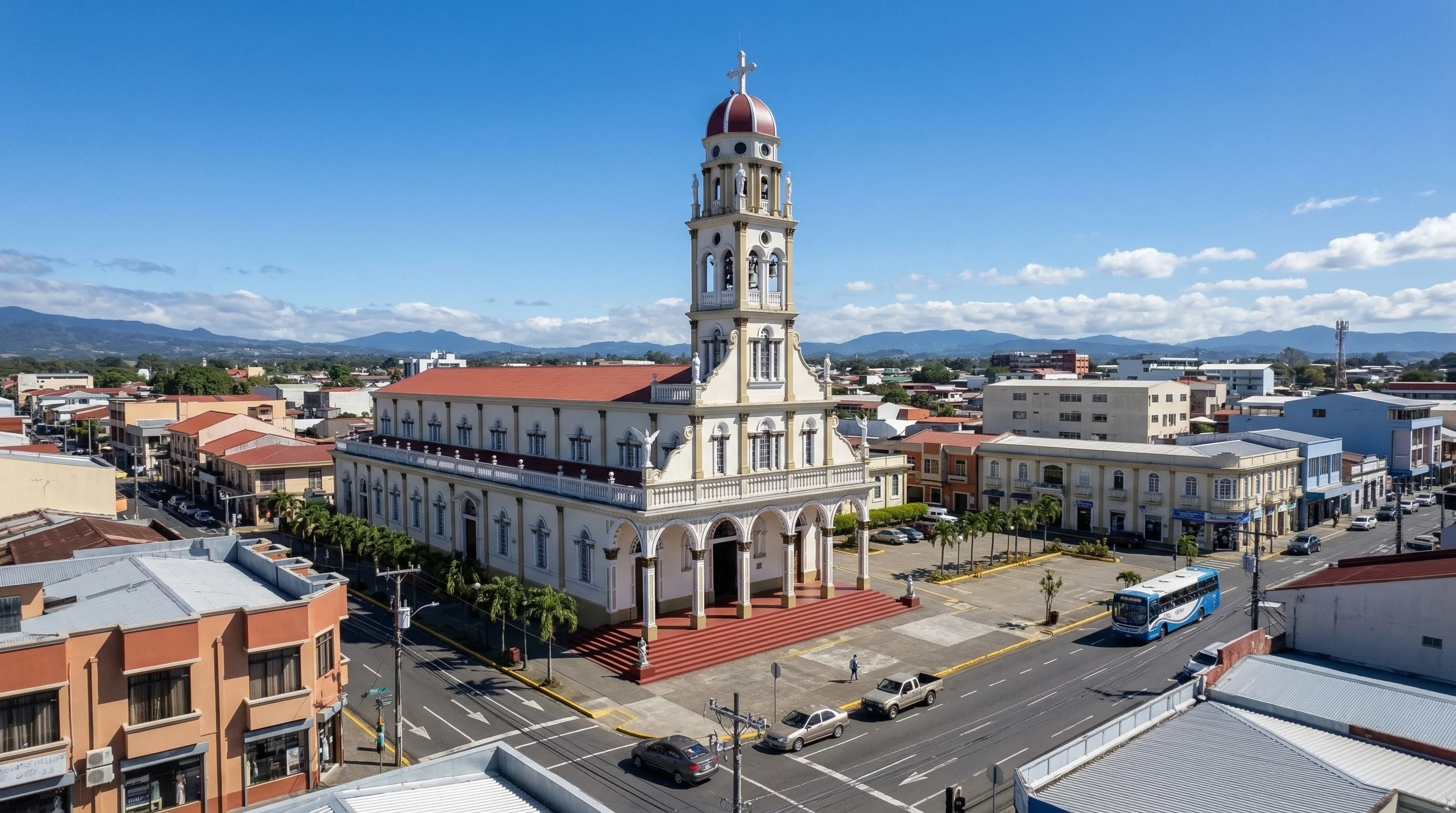
Alajuela
Alajuela, located in the heart of Costa Rica's Central Valley, serves as a strategic logistics center for the country's industrial and commercial activities. The city and surrounding province are home to Costa Rica's largest international airport, Juan Santamaría International Airport, and host numerous manufacturing facilities, particularly in the technology, medical devices, and agricultural sectors. Alajuela's proximity to San José, the capital city, provides access to major government institutions, financial services, and additional distribution networks.
The region benefits from well-developed transportation infrastructure including the Inter-American Highway (Route 1), which connects Alajuela to other major cities and ports. The province has strong industrial clusters focused on electronics manufacturing, food processing, and medical equipment production. Alajuela's strategic location, combined with Costa Rica's stable political environment and skilled workforce, makes it an attractive destination for international companies establishing regional distribution centers or manufacturing operations, driving consistent demand for reliable freight transportation services from North America.










