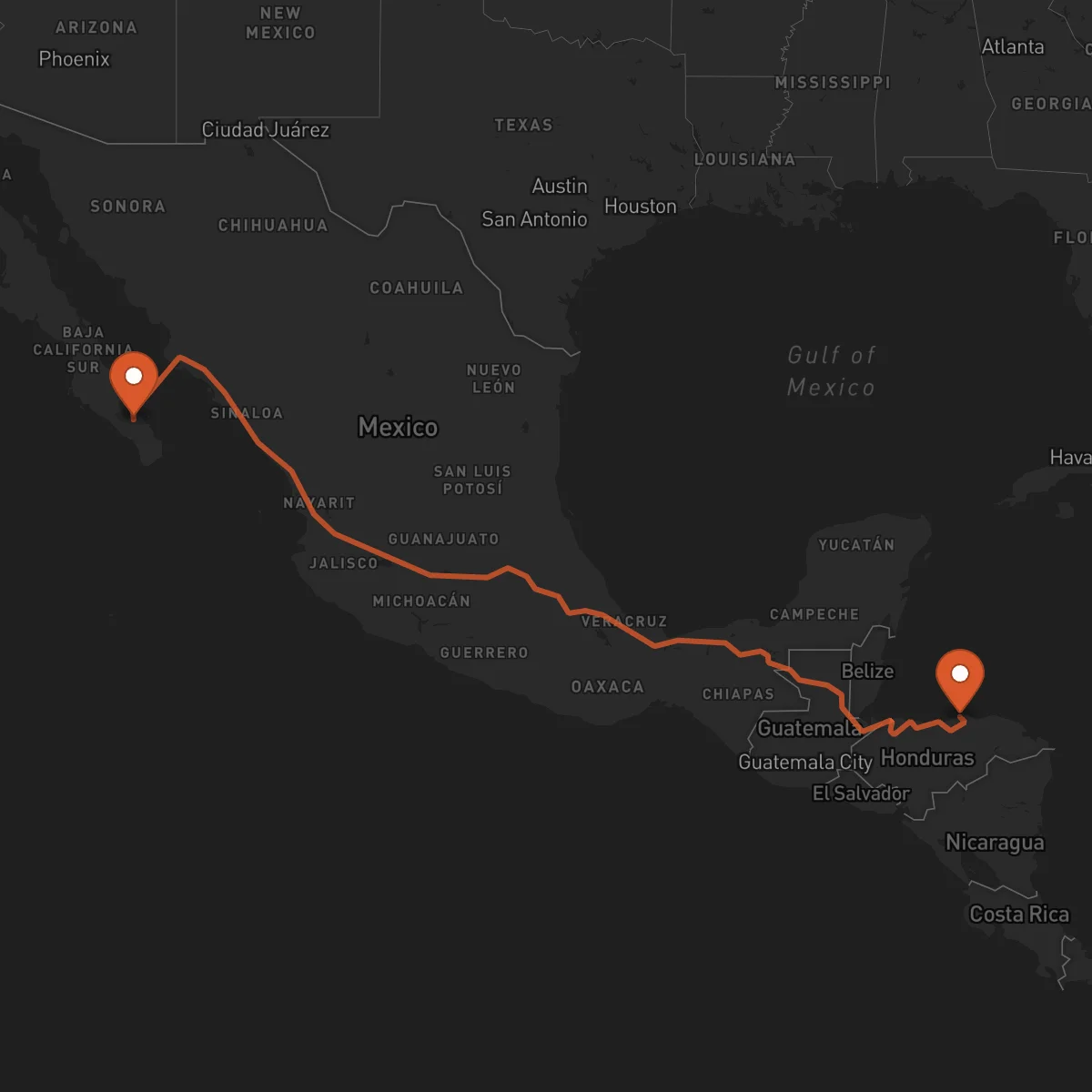
La Paz to Trujillo
Trujillo → La PazFTL freight transportation service between La Paz and Trujillo. Reliable logistics solutions for your business.
Route Description
Everything you need to know about the corridor La Paz - Trujillo
The La Paz, Baja California Sur, to Trujillo, Colón, Honduras corridor is a vital north-south artery connecting the Pacific coast of Mexico with the Caribbean coast of Central America. This strategic route serves as a critical logistics bridge for trade flowing between the United States, Mexico, and the northern countries of Central America, facilitating the movement of goods across diverse economic zones. The corridor traverses a landscape of growing industrial and agricultural output, requiring reliable, high-capacity transportation solutions to overcome its considerable length and complex cross-border requirements. It is essential for supply chains that cannot afford the delays inherent in port congestion or multi-modal handoffs, demanding a seamless, door-to-door approach.
Economically, the region is defined by powerful export-oriented sectors. In Mexico, the Baja California Peninsula and the mainland states along the route support significant manufacturing, particularly in the northern industrial hubs, and agricultural production from the fertile valleys. Moving south, the corridor passes through key Central American economies where agriculture—including bananas, coffee, and palm oil—is a dominant force, alongside burgeoning textile and apparel manufacturing for export. These industries rely on consistent, time-sensitive full truckload (FTL) transport to move raw materials inbound and finished products outbound to international markets, making this corridor a backbone of regional commerce.
The primary industries utilizing this route include agricultural exporters, manufacturers with production facilities on both sides of the border, and distributors serving the Central American retail market. Perishable goods, such as seafood from La Paz and produce from Honduras, require specialized refrigerated equipment. Additionally, the corridor handles a variety of general manufactured goods, construction materials, and specialized cargo, including oversized components for regional infrastructure projects. Control Terrestre’s exclusive focus on FTL services—including dedicated, expedited, and specialized options—directly addresses the volume and specificity needs of these sectors, ensuring cargo moves as a single, secure unit without consolidation delays.
Infrastructure-wise, the route primarily follows Mexico Federal Highway 1 south from La Paz to the border at Ciudad Hidalgo/Tecún Umán, continuing onto Central American Highway CA-13 through Guatemala and into Honduras to Trujillo. This network, while functional, presents challenges including mountainous terrain and varying road conditions that necessitate experienced carriers and robust equipment. The key border crossing at the Mexico-Guatemala frontier is a major customs point. Navigating customs clearance efficiently requires deep expertise in documentation, regulations like C-TPAT and FAST for pre-clearance programs, and local partnerships. Control Terrestre leverages its alliance of certified providers—holding C-TPAT, FAST, BASC, and other relevant credentials—to streamline border procedures, minimize dwell times, and ensure compliance across all jurisdictions, providing our clients with a managed, predictable cross-border experience.
Services for this Route
Available services for the corridor La Paz - Trujillo
 Origin
La Paz
La Paz, the capital of Baja California Sur, is a strategic Pacific Coast logistics origin with a unique economic profile. Its location provides direct access to the Sea of Cortez and the broader Pacific shipping lanes via the Port of La Paz, which handles general cargo and supports the region's primary industries. The city is a major hub for commercial fishing and seafood processing, with significant exports of fish, shrimp, and abalone. Tourism is another colossal economic driver, generating demand for the transport of goods to support hotels, restaurants, and construction. Furthermore, the surrounding agricultural regions produce a variety of fruits, vegetables, and livestock. The La Paz International Airport (LAP) offers air cargo connectivity, while Federal Highway 1 is the sole major terrestrial artery, running the length of the Baja California Peninsula and connecting the city to the mainland via the ferry port at Pichilinque and ultimately to the border crossing at Ciudad Hidalgo. This infrastructure positions La Paz as a critical gateway for goods entering and leaving southern Baja, requiring reliable FTL services to connect its diverse outputs to national and international markets.
 Destination
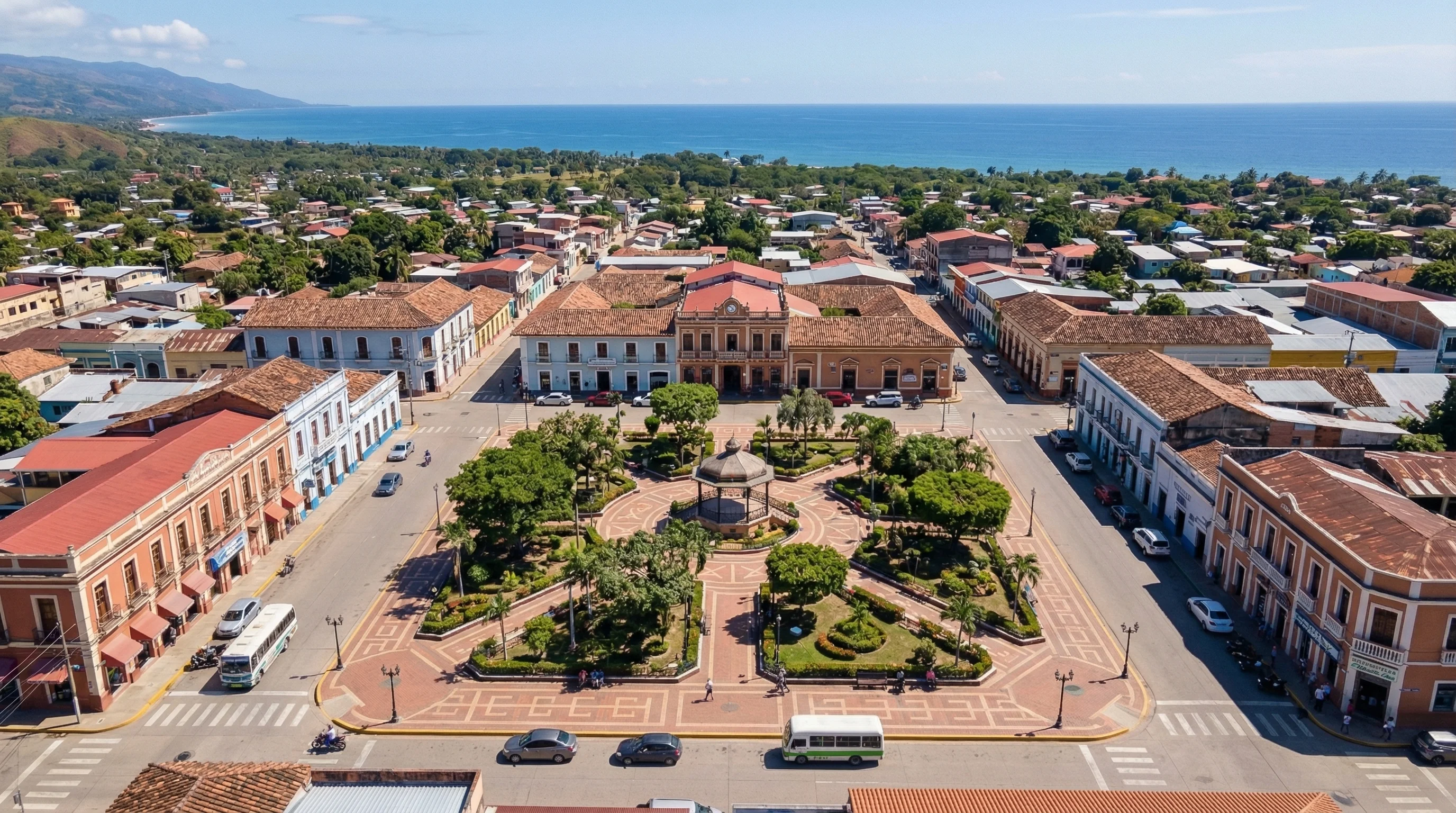
Trujillo, located on Honduras's northern Caribbean coast in the Colón department, is a strategically important port city and a key logistics destination. Its primary significance stems from the Port of Trujillo, a natural deep-water harbor that serves as a crucial hub for cargo and cruise ships, handling imports and exports for the region. Economically, Trujillo and its surrounding area are central to Honduras's agricultural export economy, particularly bananas and other tropical fruits, which are among the country's top exports. The region also supports significant timber, palm oil, and tourism industries. The city is the terminus of Central American Highway CA-13, which connects it through the Honduran interior to the Guatemalan border and the wider Central American highway network. This infrastructure makes Trujillo a pivotal transshipment and distribution point for goods destined for northern Honduras, the Bay Islands, and for export via the Caribbean. The demand here is for consistent FTL movement of agricultural products, manufactured goods, and general cargo, with refrigerated transport being essential for the perishable export sector.










