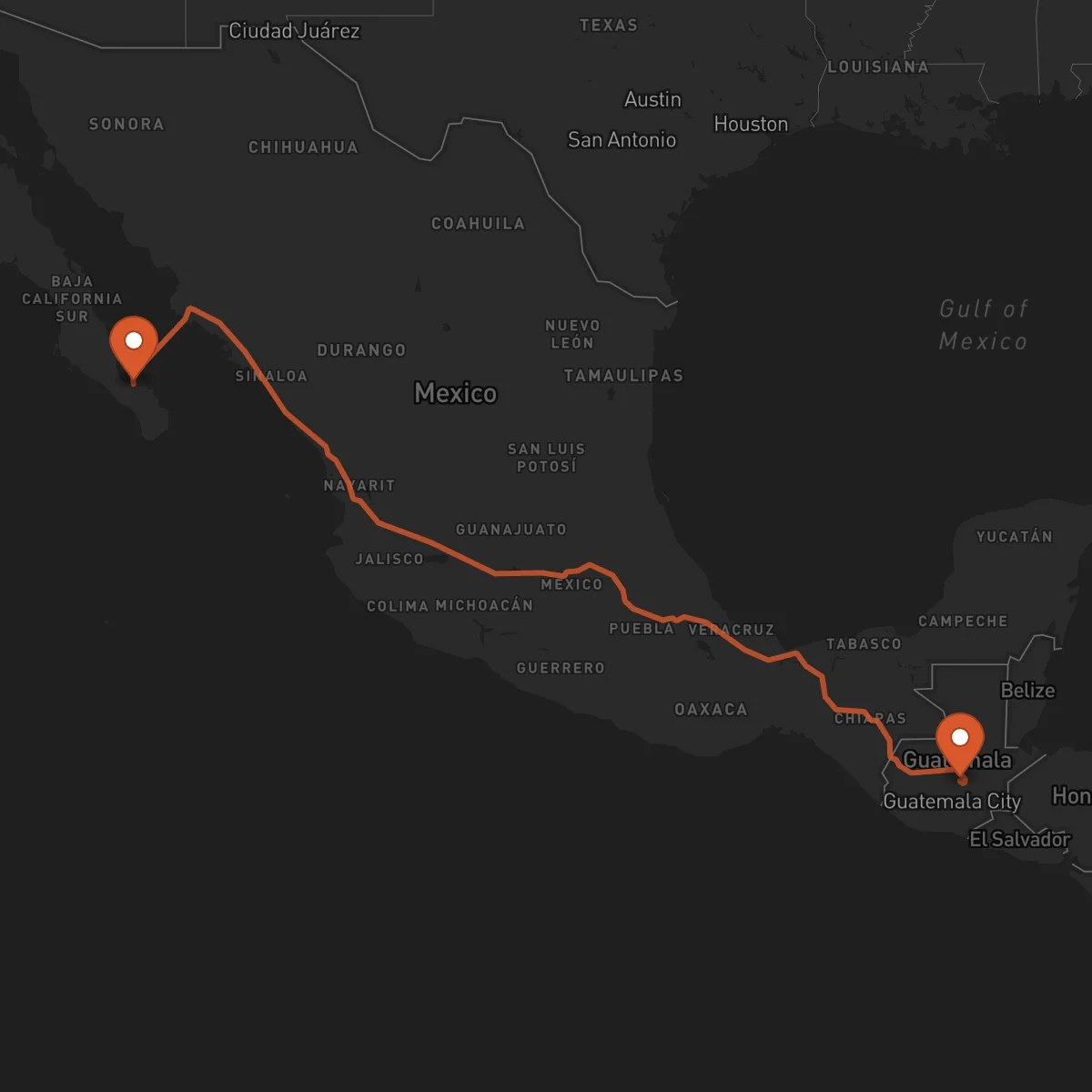
La Paz to Salamá
Salamá → La PazFTL freight transportation service between La Paz and Salamá. Reliable logistics solutions for your business.
Route Description
Everything you need to know about the corridor La Paz - Salamá
The logistics corridor connecting La Paz, Baja California Sur, Mexico, to Salamá, Baja Verapaz, Guatemala, represents a critical north-south artery spanning approximately 2,319 kilometers. This cross-border route is strategically vital for integrating the productive regions of Mexico's Pacific coast with the agricultural heartland of Guatemala's highlands, facilitating essential trade flows between North and Central America. The economic context is defined by the movement of time-sensitive goods from La Paz's maritime and tourism-based economy to Salamá's agricultural output, which is central to Guatemala's food security and export sector.
Key industries leveraging this corridor include the seafood and perishable goods sector, transporting fresh fish and produce from La Paz's port facilities to inland markets, and the agricultural industry moving coffee, vegetables, and other crops from Salamá's fertile valleys to distribution centers. The primary transportation infrastructure relies on Mexico's Federal Highway 1, which runs along the Baja California Peninsula, connecting to the mainland via ferry or air, and then through Mexico's network to the southern border. In Guatemala, the corridor predominantly uses the CA-14 highway, a major north-south route that efficiently links the border crossing to Salamá and the broader highland region.
A crucial consideration is the border crossing at Ciudad Hidalgo, Mexico, and Tecún Umán, Guatemala. Navigating customs and regulatory compliance here requires expertise in documentation, tariffs, and inspections. Control Terrestre facilitates seamless operations on this corridor by leveraging our alliance of providers with certifications like C-TPAT, FAST, and BASC. We manage the full cross-border process for FTL shipments, from origin pickup in La Paz to final delivery in Salamá, handling customs brokerage coordination and ensuring adherence to all Mexican and Guatemalan regulations for dedicated, refrigerated, or specialized cargo. Our network simplifies the complexities of international freight, providing a single point of contact for reliable, door-to-door transportation across this challenging and essential route.
Services for this Route
Available services for the corridor La Paz - Salamá
 Origin
La Paz
La Paz, the capital of Baja California Sur, serves as a strategic Pacific port logistics hub for the southern Baja California Peninsula. Its economy is heavily anchored by a world-class fishing industry, tourism, and growing light manufacturing, creating steady demand for outbound freight. The city's infrastructure is highlighted by the La Paz International Airport (LAP) and its role as a primary ferry terminal connecting the peninsula to the Mexican mainland. For ground transportation, Federal Highway 1 is the main artery running north-south along the peninsula, connecting La Paz to the mainland via the port of Topolobampo, Sinaloa, and onward to Mexico's national highway network. This infrastructure supports the movement of full truckloads of seafood, agricultural products from local valleys, and goods supporting the tourism sector, positioning La Paz as a key origin point for supply chains extending into mainland Mexico and beyond.
 Destination
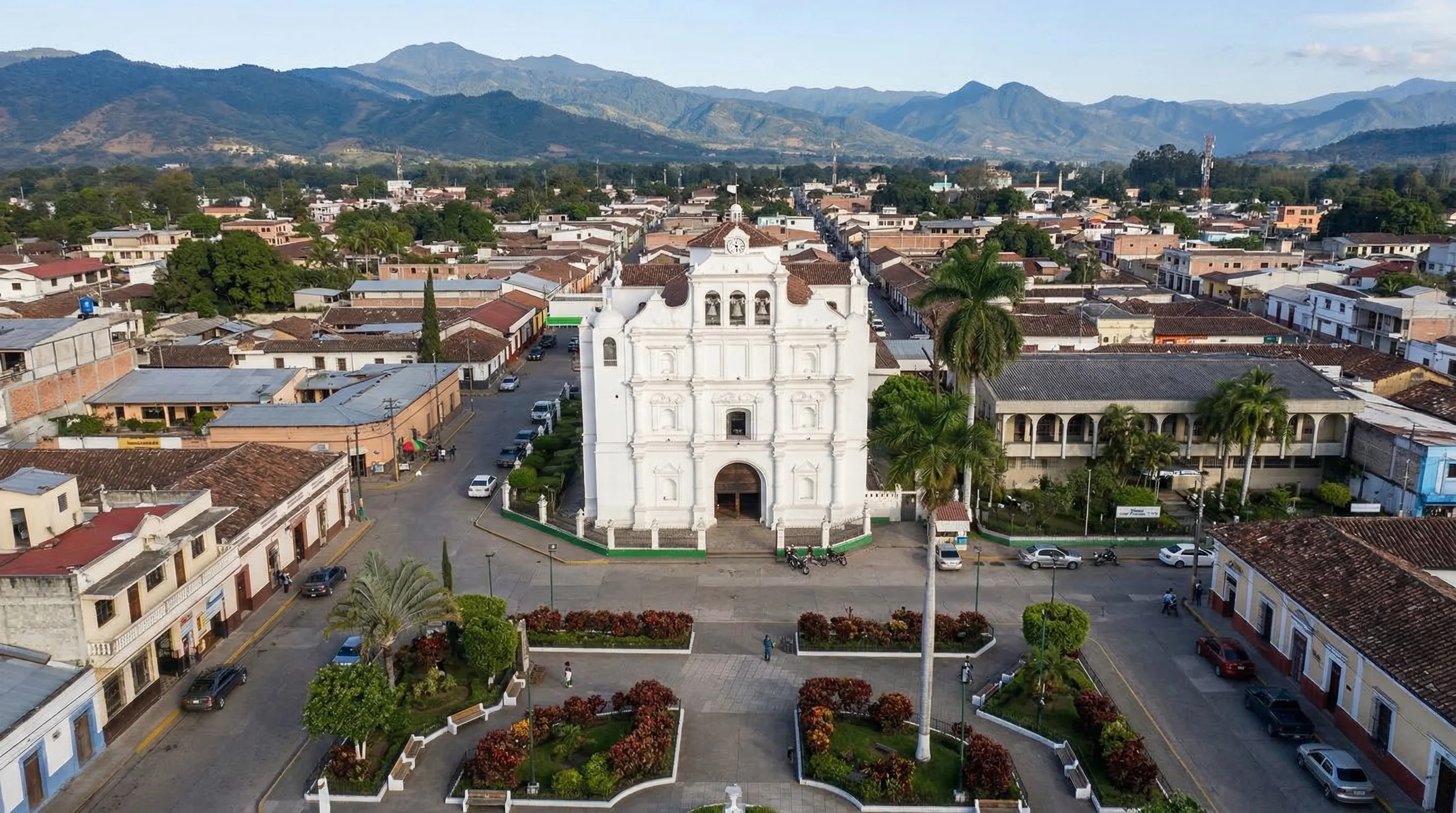
Salamá
Salamá, located in the Baja Verapaz department of Guatemala, is a strategically significant logistics destination in the country's central highlands. It functions as a major agricultural processing and distribution center for one of Guatemala's most fertile regions, renowned for coffee, cardamom, vegetables, and fruit production. The town's location provides direct access to the CA-14 highway, a critical Guatemalan corridor that runs north-south, connecting the border with Mexico (via Huehuetenango) to the capital, Guatemala City, and the Atlantic coast. This highway infrastructure is essential for moving full truckloads of agricultural commodities from Salamá's farms and warehouses to domestic markets and export points. The area's cooler highland climate also supports the need for refrigerated transportation, making Salamá a consistent demand point for specialized FTL services within Guatemala's internal and cross-border supply chains.










