La Paz to Gracias
Gracias → La PazFTL freight transportation service between La Paz and Gracias. Reliable logistics solutions for your business.
Route Description
Everything you need to know about the corridor La Paz - Gracias
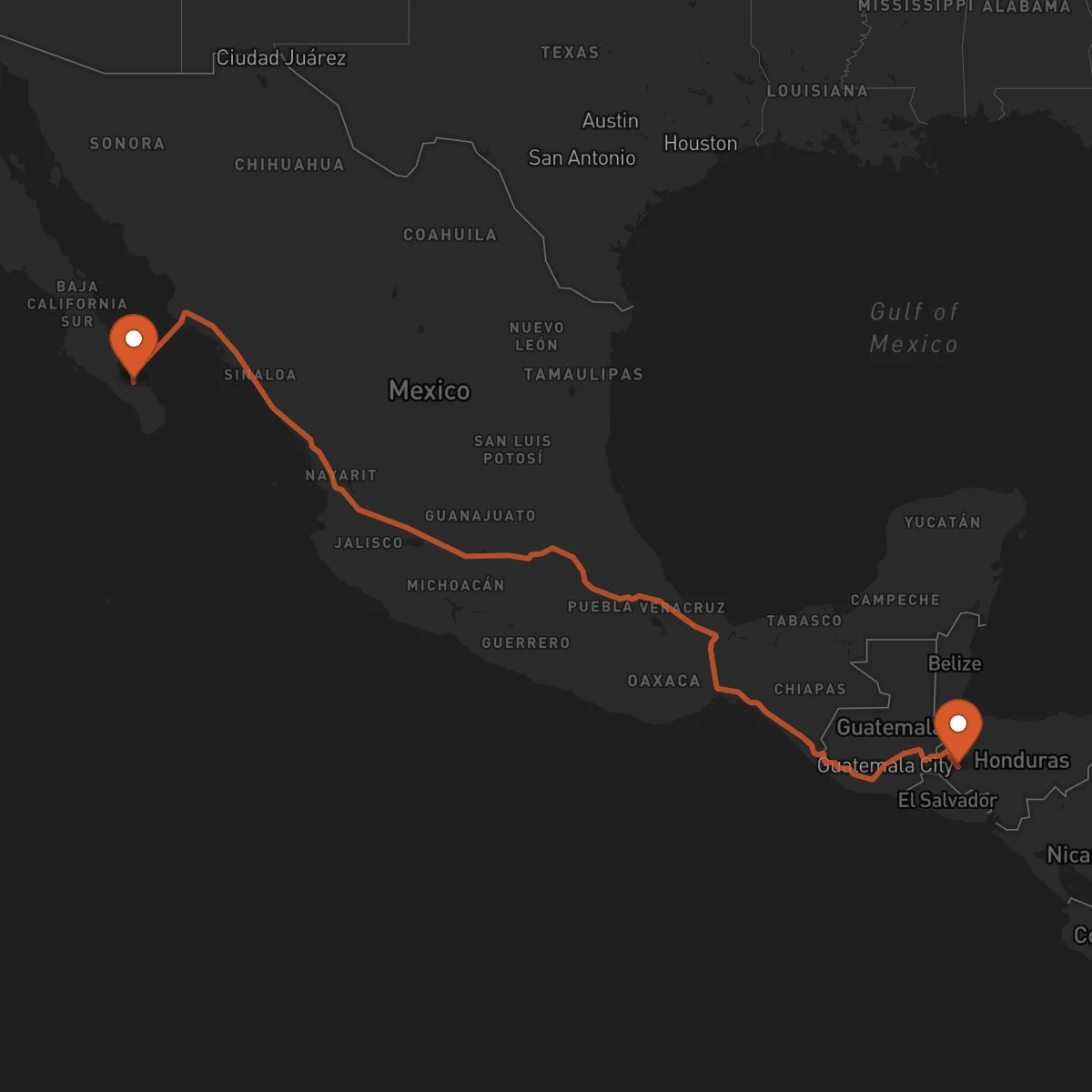
The logistics corridor connecting La Paz, Baja California Sur, Mexico, to Gracias, Lempira, Honduras, represents a critical north-south artery through the heart of Central America. Spanning approximately 2,510 kilometers, this cross-border route is strategically vital for moving goods between the Pacific coast of Mexico and the interior of Honduras, facilitating trade across a diverse economic landscape. The corridor traverses the Mexican states of Baja California Sur, Sinaloa, and Chiapas before crossing into Guatemala and continuing through Honduras to its destination in the southwestern highlands. This pathway is essential for businesses requiring reliable full truckload (FTL) solutions to integrate supply chains across international boundaries, bypassing the complexities of less-than-truckload (LTL) consolidation. Control Terrestre leverages its robust alliance of certified carriers to provide dedicated, seamless FTL service on this corridor, ensuring cargo moves efficiently from origin to destination. Our providers' certifications, including C-TPAT, FAST, and BASC, are instrumental in navigating the customs and security protocols inherent to this multi-country transit, particularly at the Mexico-Guatemala border. By managing the intricacies of cross-border documentation, compliance, and transit coordination, we transform this lengthy international haul into a streamlined, single-point-of-contact operation for our clients, focusing on reliability and human-centric logistics support throughout the journey.
The economic context of this corridor is shaped by the complementary industrial and agricultural outputs of the regions it connects. In Mexico, the corridor serves the growing manufacturing and agricultural sectors of the northern and central regions before heading south. In Central America, it links to the vital economic zones of Guatemala and Honduras. Key industries utilizing this route include agriculture (moving produce, coffee, and seafood), manufacturing (textiles, apparel, and assembled goods), and construction materials. The movement of specialized cargo, such as oversized equipment for infrastructure projects or refrigerated goods for perishable exports, is also significant. The primary transportation infrastructure relies on a network of federal highways, beginning with Mexican Federal Highway 1 from La Paz to the mainland, connecting to major routes like Mexican Federal Highway 15 and the Pan-American Highway (CA-1) through Guatemala and into Honduras. The most significant border crossing for this specific corridor is typically at Ciudad Hidalgo, Mexico / Tecún Umán, Guatemala. Navigating the customs procedures at this crossing requires expertise in Mexican and Guatemalan regulations, as well as Honduran import protocols upon arrival. Control Terrestre's expertise in cross-border freight ensures all necessary documentation, from commercial invoices to certificates of origin, is meticulously handled, leveraging our providers' trusted status to minimize delays and ensure a smooth transition between countries.
Control Terrestre facilitates operations on this corridor by acting as the singular, accountable logistics partner for our clients' FTL needs. We do not merely book trucks; we orchestrate the entire door-to-door journey. Our model is built on a vetted alliance of transportation providers who meet stringent certifications like C-TPAT (Customs-Trade Partnership Against Terrorism) and FAST (Free and Secure Trade), which expedite clearance at the U.S. and Canadian borders and are recognized as best practices that enhance security and efficiency throughout North and Central America. For this specific Mexico-to-Honduras route, this means our carriers are familiar with the procedural nuances of the Mexico-Guatemala border and the subsequent transit through Honduras. We coordinate dedicated trucks, expedited options for urgent shipments, and specialized equipment—including dry vans, reefers, flatbeds, and tankers—based on the cargo's specific requirements, whether it's hazardous materials, oversized machinery, or temperature-sensitive goods. Our 'we' approach means our team proactively monitors each shipment, provides clear communication, and resolves issues in real-time. We transform the challenge of a 2,500+ kilometer international freight move into a predictable, manageable process, allowing companies to focus on their core business while we handle the complexity of the corridor's logistics, customs, and transportation network.
Services for this Route
Available services for the corridor La Paz - Gracias
 Origin
La Paz
La Paz, the capital of Baja California Sur, serves as a pivotal strategic logistics gateway for northwestern Mexico and a crucial starting point for north-south continental freight. Its primary logistical advantage stems from the deep-water Port of La Paz, which handles commercial cargo, fishing fleets, and cruise ships, providing a direct maritime link for goods entering or leaving the southern Baja peninsula. The city is also served by the La Paz International Airport (LAP), offering cargo capacity that complements road transport. The main terrestrial artery is Mexican Federal Highway 1, which runs the length of the Baja California Peninsula. For freight destined for the Mexican mainland or points south, this highway connects to the trans-peninsular ferry terminal at Pichilingue, just outside La Paz. This ferry service to the port of Topolobampo in Sinaloa is a critical infrastructure link, allowing trucks and cargo to bypass the long overland drive around the Gulf of California. From Topolobampo, the freight network connects to the major Federal Highway 15, which runs south along the Pacific coast, eventually linking to the Pan-American Highway. Key economic sectors driving outbound freight from the La Paz region include fisheries and seafood processing, agriculture (particularly vegetables and fruits grown in the fertile valleys), and a growing tourism-related manufacturing sector. The available transportation infrastructure is robust for regional distribution but relies on the ferry connection for efficient access to the continental mainland freight corridors, making the coordination of this maritime-to-land transfer a key component of logistics planning from this origin.
 Destination
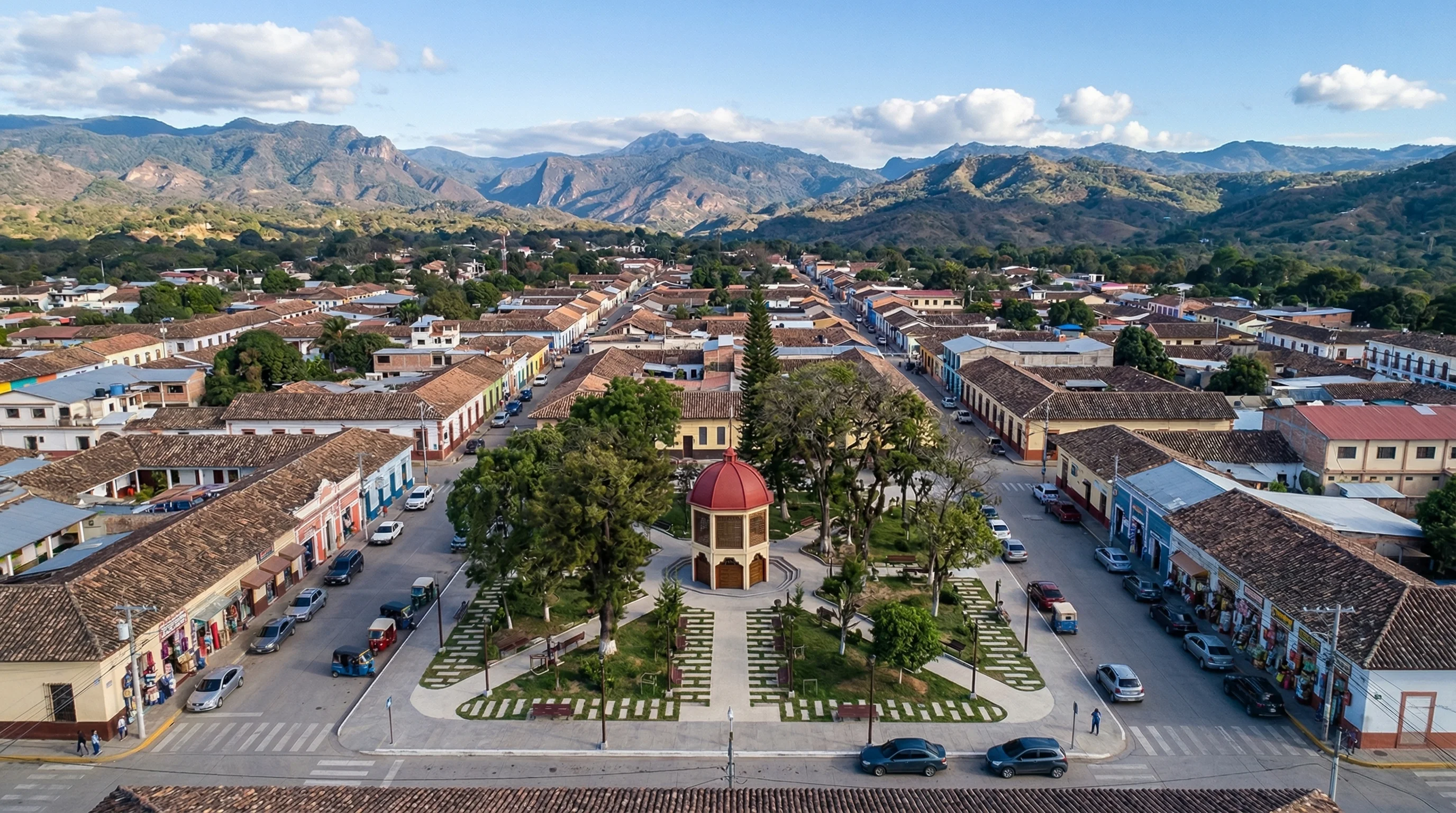
Gracias, located in the Lempira department of southwestern Honduras, is a strategically significant inland destination in the heart of the country's coffee-growing region and near major industrial zones. Its logistical importance is derived from its position in the Honduran highlands, providing access to the agricultural and manufacturing heartland while being relatively close to the primary economic and port hub of San Pedro Sula. Gracias itself is not a major port city, so freight typically arrives via the Pan-American Highway (CA-1) from the Guatemalan border or from the north. The final leg of the journey often involves navigating regional highways from the main CA-1 corridor through towns like Santa Rosa de Copán to reach Gracias. This makes it a classic example of a destination requiring efficient last-mile connectivity from the primary international freight route. The dominant industries generating and receiving freight in the Gracias area are agriculture, with coffee being the world-renowned flagship export, alongside other crops like vegetables and fruits. There is also a presence of light manufacturing, textile workshops, and artisanal production. The local infrastructure is centered on a network of regional roads that connect the rural production areas to the urban center of Gracias, which then feeds into the national highway system. For cross-border shippers, this means cargo must be efficiently transferred from the long-haul international truck at a consolidation point (often San Pedro Sula) onto a local carrier for the final distribution to Gracias. Control Terrestre's network includes providers with the local expertise and equipment to handle this transition, ensuring seamless door-to-door delivery even to inland destinations with less direct highway access.










