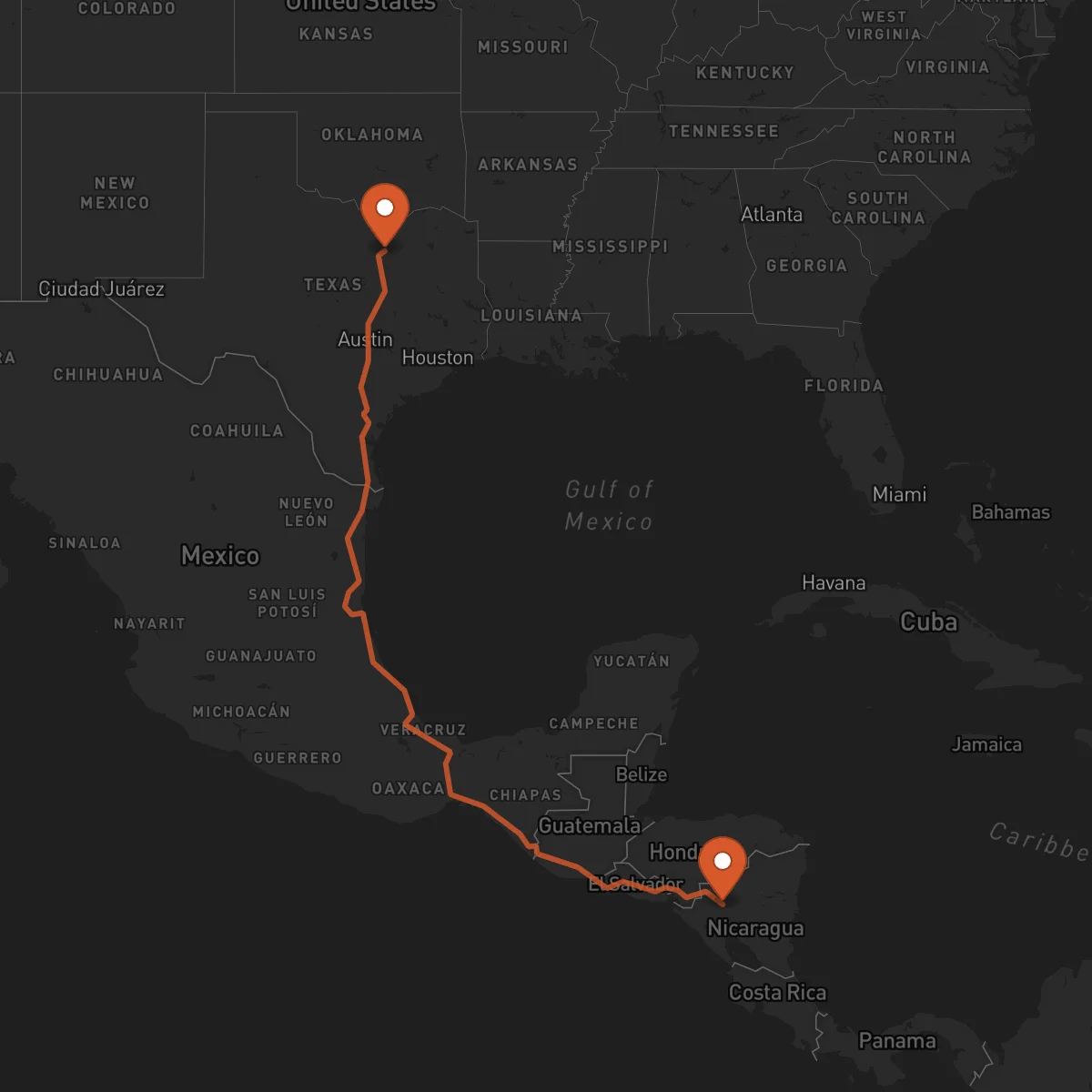
Jinotega to Arlington
Arlington → JinotegaFTL freight transportation service between Jinotega and Arlington. Reliable logistics solutions for your business.
Route Description
Everything you need to know about the corridor Jinotega - Arlington
The logistics corridor connecting Jinotega, Nicaragua to Arlington, Texas represents a vital cross-border route spanning approximately 2,459 kilometers. This corridor serves as a crucial link between Central America and the southern United States, facilitating the movement of goods between two economically significant regions. The route traverses diverse terrain and crosses multiple international borders, making it a complex but essential pathway for trade and commerce.
The corridor's strategic importance lies in its ability to connect manufacturing hubs in Central America with distribution centers and industrial facilities in Texas. The journey typically follows major transportation arteries through Nicaragua, Honduras, Guatemala, and Mexico before entering the United States through various border crossings. Key highways along this route include portions of the CA-1 Pan-American Highway and major Mexican federal highways that connect to US interstate systems.
This corridor primarily serves industries such as automotive parts, electronics, textiles, agricultural products, and consumer goods. Manufacturing facilities in and around Jinotega often ship finished products or components to assembly plants and distribution centers in the Dallas-Fort Worth metroplex, where Arlington is located. The route also accommodates reverse logistics, with US-based companies shipping equipment, machinery, and supplies southward.
Control Terrestre facilitates seamless operations along this corridor through our extensive network of certified transportation providers. We manage the complexities of cross-border documentation, customs clearance, and compliance with regulations in multiple countries. Our expertise in handling full truckload (FTL) shipments ensures that cargo moves efficiently and securely from origin to destination, with real-time tracking and dedicated support throughout the journey.
Services for this Route
Available services for the corridor Jinotega - Arlington
 Origin
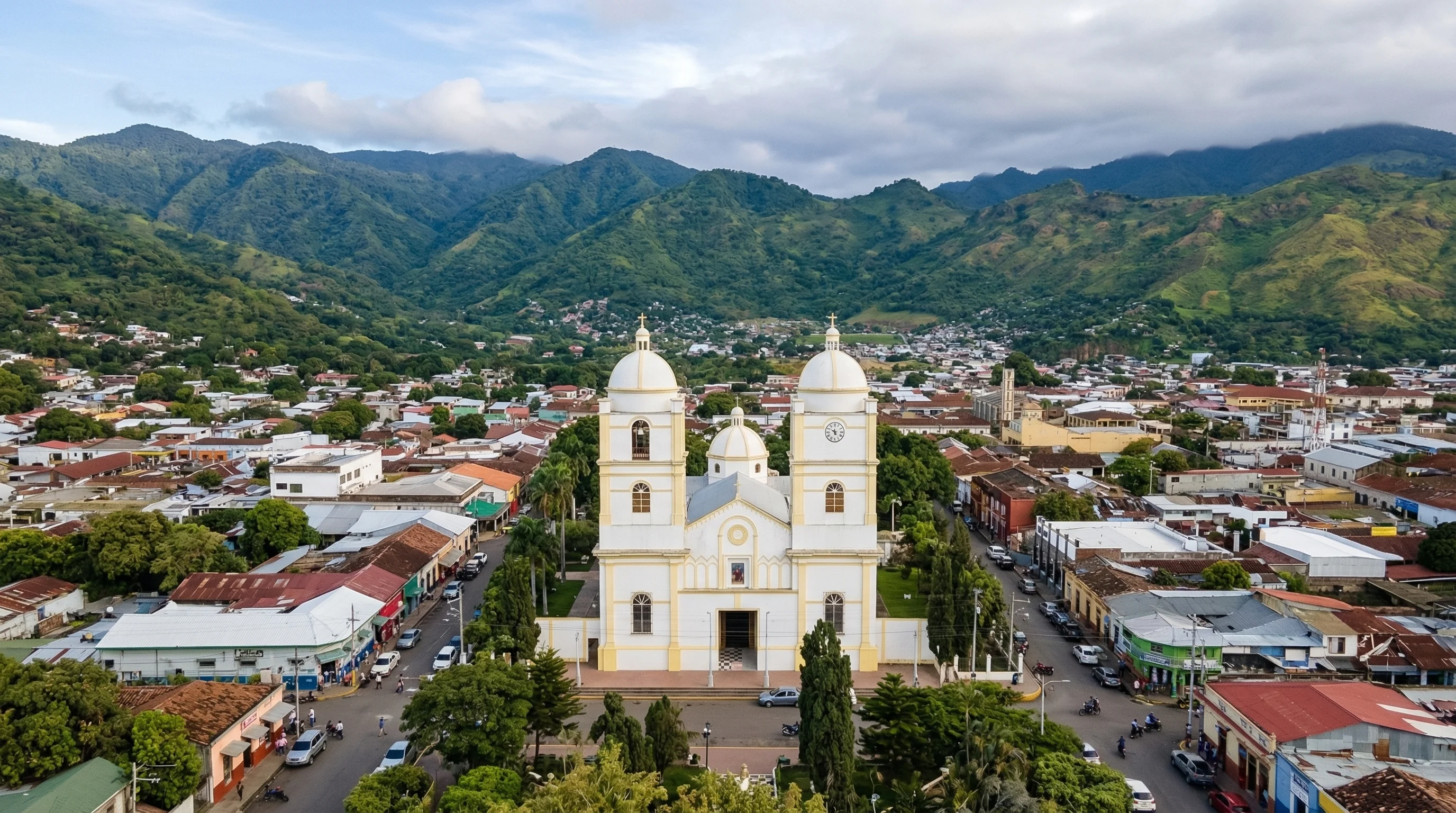
Jinotega, located in the mountainous northern region of Nicaragua, serves as a strategic logistics hub for Central American trade. The city and surrounding department are known for their agricultural production, particularly coffee, which represents a significant export commodity. Jinotega's location provides access to major transportation routes connecting the Pacific and Atlantic coasts of Nicaragua, making it an ideal origin point for cross-border shipments.
The region's economy is diverse, with strong agricultural, manufacturing, and mining sectors. Coffee processing plants, textile manufacturers, and food processing facilities in Jinotega generate substantial freight volume for export. The city's infrastructure includes access to the Pan-American Highway (CA-1) and connections to Pacific port facilities at Corinto, approximately 150 kilometers away. While the mountainous terrain presents some logistical challenges, it also positions Jinotega as a gateway for goods moving between northern Nicaragua and international markets.
 Destination
Arlington
Arlington, Texas occupies a strategic position within the Dallas-Fort Worth metroplex, one of the largest and most dynamic economic regions in the United States. Located approximately midway between Dallas and Fort Worth, Arlington benefits from exceptional transportation connectivity through major interstate highways including I-20, I-30, and I-35E. The city's proximity to the DFW International Airport and Alliance Texas intermodal facility further enhances its logistics capabilities.
The region's economy is characterized by diverse industries including automotive manufacturing, aerospace and defense, healthcare, and technology. Arlington is home to major corporate headquarters and distribution centers, with companies leveraging the area's central location for national distribution. The robust industrial infrastructure includes numerous warehousing facilities, manufacturing plants, and logistics centers that handle significant freight volumes. The city's strategic location provides efficient access to markets throughout the southern and central United States, making it an ideal destination for international shipments arriving through the corridor from Central America.










