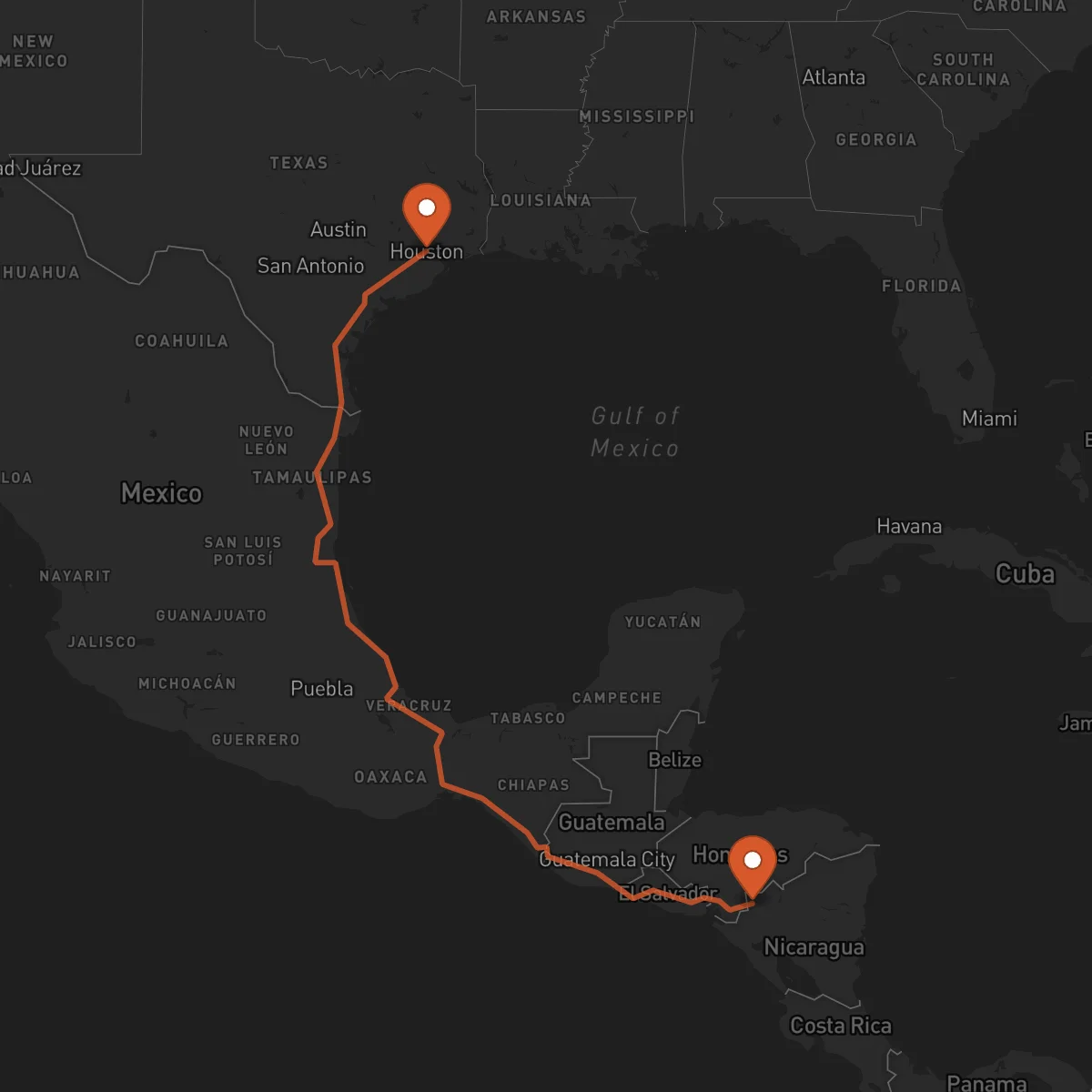
Houston to Somoto
Somoto → HoustonFTL freight transportation service between Houston and Somoto. Reliable logistics solutions for your business.
Route Description
Everything you need to know about the corridor Houston - Somoto
The logistics corridor connecting Houston, Texas, with Somoto, Nicaragua, represents a vital trade link between the United States and Central America. Spanning approximately 2,023 kilometers, this cross-border route facilitates the movement of goods through Mexico and into Nicaragua, serving as a critical artery for North-South commerce. The corridor leverages the extensive transportation infrastructure of the United States and Mexico, connecting through major highways and crossing key border points before reaching Central American destinations.
The economic significance of this corridor cannot be overstated. Houston, as a major industrial and commercial hub, serves as a primary gateway for exports to Central America. The region's petrochemical, manufacturing, and agricultural sectors generate substantial freight volumes destined for markets in Nicaragua and beyond. Somoto, located in Nicaragua's Madriz department, benefits from this connection as it provides access to U.S. markets and supplies for local industries including agriculture, textiles, and manufacturing.
Key transportation infrastructure along this corridor includes major U.S. highways such as I-10 and I-35, connecting to Mexican Federal Highways 85 and 57. The corridor typically crosses at Laredo/Nuevo Laredo, one of North America's busiest commercial border crossings, before continuing through Mexico's interior and into Central America via established trade routes. Control Terrestre facilitates seamless operations along this corridor by managing cross-border documentation, coordinating with certified carriers, and ensuring compliance with all regulatory requirements for international freight movement.
Services for this Route
Available services for the corridor Houston - Somoto
 Origin
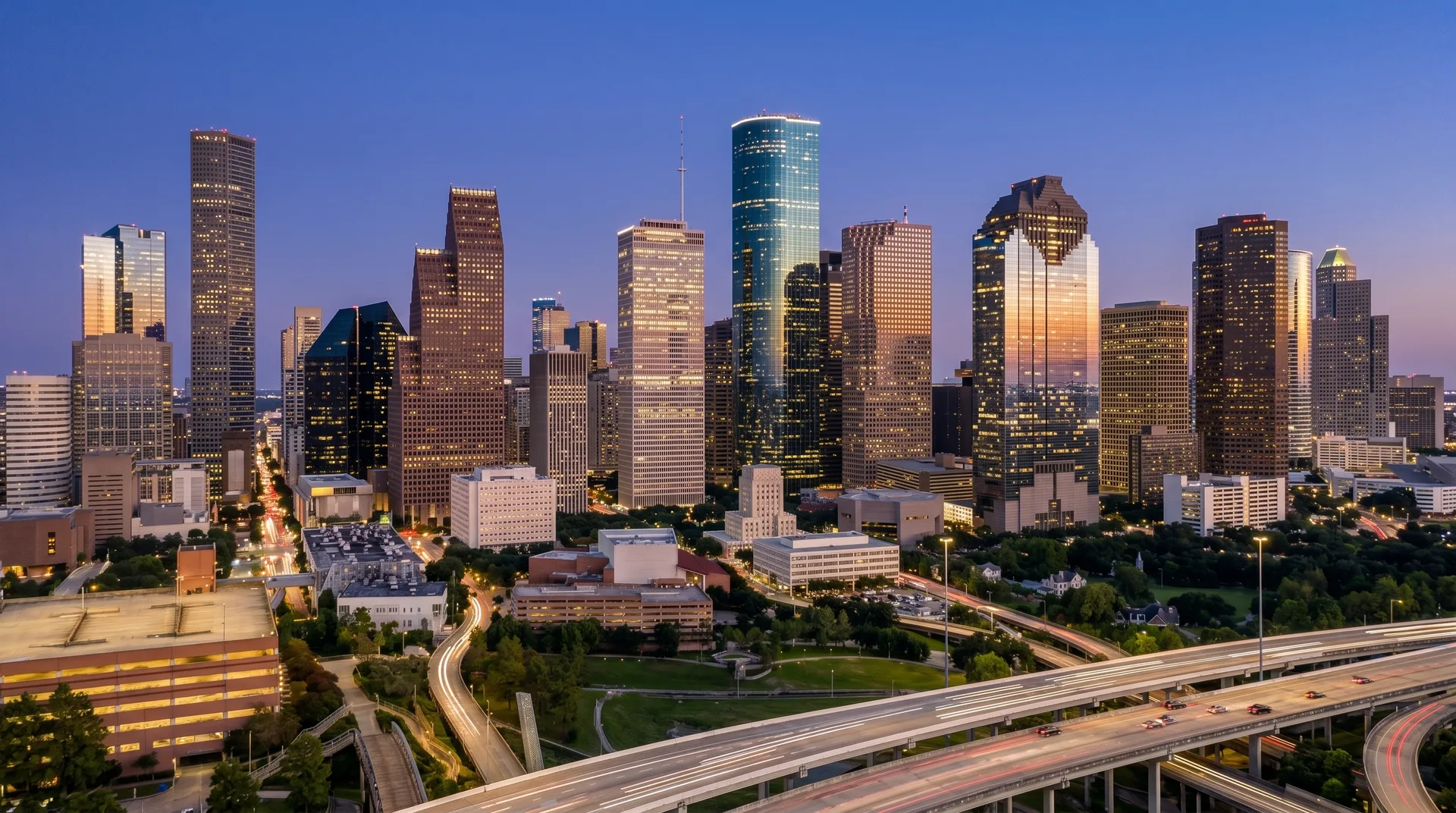
Houston
Houston, Texas, stands as one of the most important logistics hubs in the United States, offering unparalleled connectivity and infrastructure for freight transportation. The city's strategic location along the Gulf Coast provides access to major ports, airports, and an extensive network of highways and rail systems. Houston's Port, one of the busiest in the nation, handles millions of tons of cargo annually, while George Bush Intercontinental Airport serves as a major air cargo gateway. The region's robust industrial base, including energy, manufacturing, healthcare, and technology sectors, generates substantial freight volumes requiring efficient transportation solutions.
 Destination
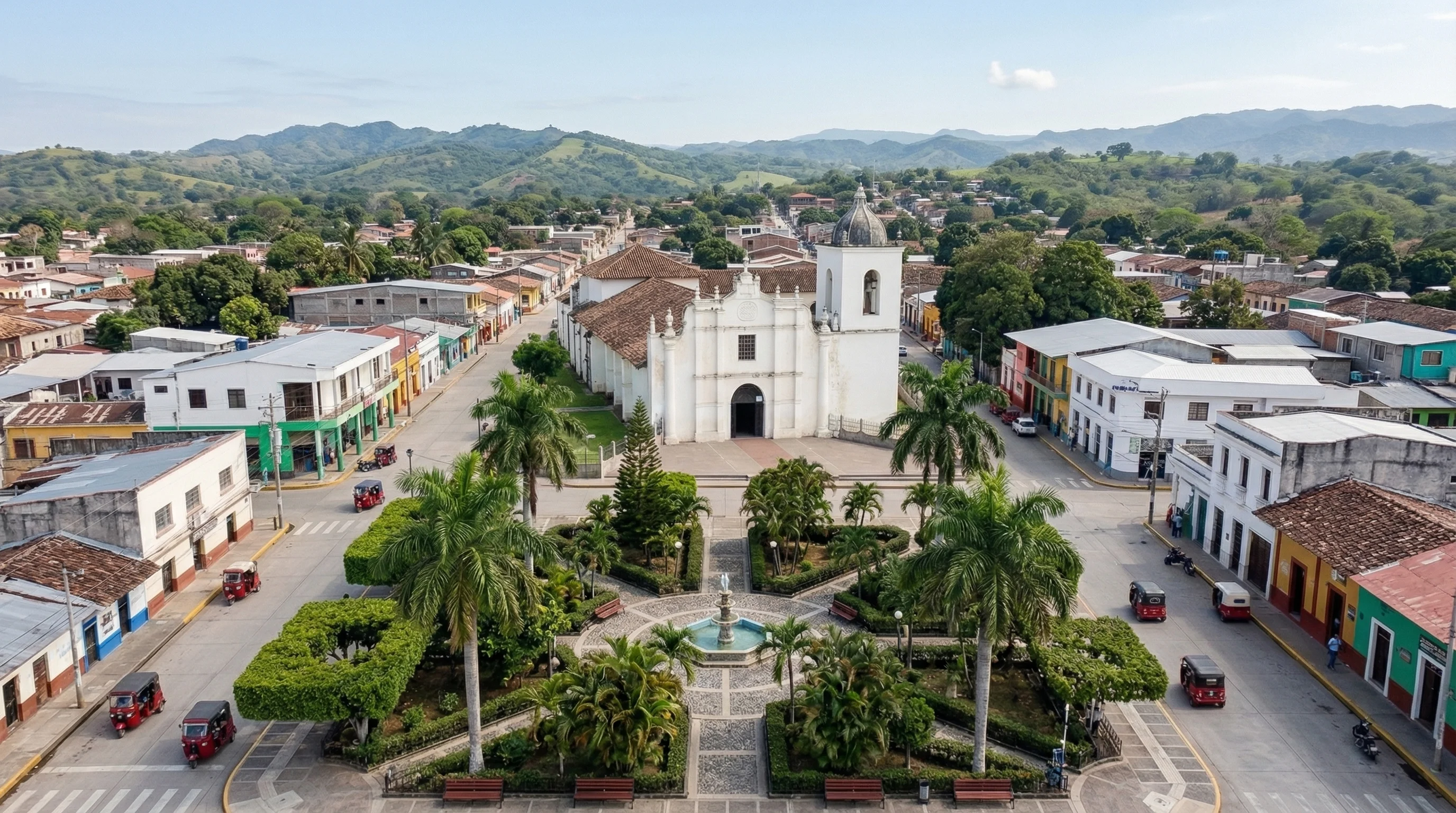
Somoto, located in Nicaragua's Madriz department, serves as an important commercial center in northern Nicaragua. While smaller than the capital Managua, Somoto's strategic position near the Honduran border makes it a key point for regional trade and distribution. The city and surrounding area support various economic activities including agriculture, livestock, and light manufacturing. The region's road infrastructure connects to Nicaragua's national highway network, providing access to major markets throughout the country. Somoto's location facilitates both import and export activities, serving as a distribution point for goods moving between Nicaragua and neighboring countries.










