
Houston to Chiquimula
Chiquimula → HoustonFTL freight transportation service between Houston and Chiquimula. Reliable logistics solutions for your business.
Route Description
Everything you need to know about the corridor Houston - Chiquimula
The Houston to Chiquimula logistics corridor represents a vital trade link between the United States and Central America. This 1,768 km route connects one of the busiest ports in the Gulf of Mexico with the eastern region of Guatemala, facilitating the movement of goods between North and Central America. The corridor traverses diverse terrain and crosses multiple international borders, requiring expert logistics management to ensure efficient and reliable freight transportation.
The economic significance of this corridor is substantial, as it serves as a primary gateway for industrial and commercial goods moving between the US manufacturing sector and the growing Central American market. Houston's position as a major petrochemical, energy, and manufacturing hub means that this route carries a diverse range of cargo, from industrial equipment to consumer goods. The corridor also supports the agricultural export sector, with Chiquimula serving as an important distribution point for goods destined for the broader Central American region.
Key transportation infrastructure along this route includes major highways such as Interstate 10, which provides direct access from Houston to the Mexican border, and the CA-1 highway that continues through Guatemala. The corridor crosses the US-Mexico border at Laredo or Brownsville, with subsequent passage through Mexico via the Pacific Highway (CA-1) or other major routes. Control Terrestre manages the complexities of cross-border operations, including customs clearance at both US and Mexican borders, ensuring seamless freight movement across international boundaries.
Our expertise in handling cross-border logistics ensures that shipments maintain their integrity and schedule throughout the journey. We coordinate all necessary documentation, customs procedures, and regulatory compliance requirements, providing our clients with reliable door-to-door service. The route's strategic importance is enhanced by our network of certified carriers and our ability to navigate the specific requirements of each country along the corridor, making us the ideal partner for FTL freight transportation between Houston and Chiquimula.
Services for this Route
Available services for the corridor Houston - Chiquimula
 Origin
Houston
Houston stands as one of the most strategic logistics hubs in the United States, offering unparalleled connectivity through its extensive transportation infrastructure. The city boasts the Port of Houston, one of the busiest ports in the nation, along with George Bush Intercontinental Airport and William P. Hobby Airport, providing multiple options for freight movement. Houston's extensive network of highways, including I-10, I-45, and I-69, creates a web of connectivity that facilitates efficient distribution throughout the country and beyond.
The economic landscape of Houston is dominated by the energy sector, with numerous petrochemical plants, refineries, and related industries concentrated in the area. Beyond energy, Houston has developed strong manufacturing, aerospace, and medical sectors, creating a diverse industrial base that generates substantial freight volume. The city's strategic location near the Gulf of Mexico and its proximity to the US-Mexico border make it an ideal origin point for cross-border freight operations, particularly for companies seeking to access the growing Central American market.
 Destination
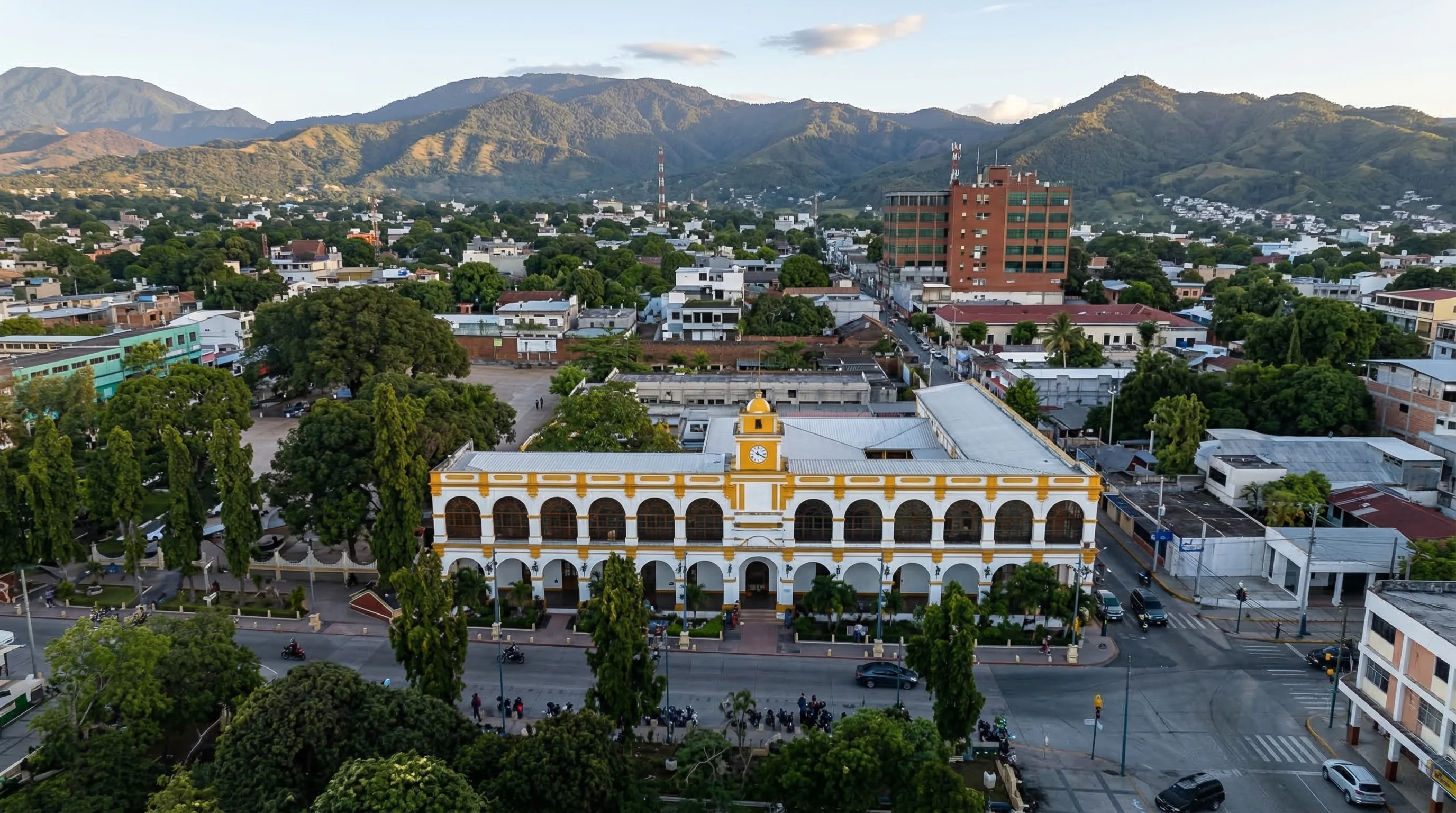
Chiquimula
Chiquimula serves as a strategic logistics gateway to eastern Guatemala and the broader Central American region. Located in the eastern part of Guatemala, near the borders with Honduras and El Salvador, Chiquimula benefits from its position along the CA-9 highway, which connects to the Atlantic port of Puerto Barrios. This connectivity makes it an important distribution center for goods entering Central America from both the United States and other international markets.
The economic profile of Chiquimula includes agriculture, manufacturing, and commercial distribution activities. The region is known for its agricultural production, including grains, vegetables, and livestock, which creates demand for both inbound industrial goods and outbound agricultural products. The city's developing industrial parks and commercial centers continue to grow, increasing the volume of freight moving through the area. Chiquimula's infrastructure includes paved highways, local distribution networks, and proximity to major border crossings, making it an effective destination for cross-border freight operations.










