Helena to Baltimore
Baltimore → HelenaFTL freight transportation service between Helena and Baltimore. Reliable logistics solutions for your business.
Route Description
Everything you need to know about the corridor Helena - Baltimore
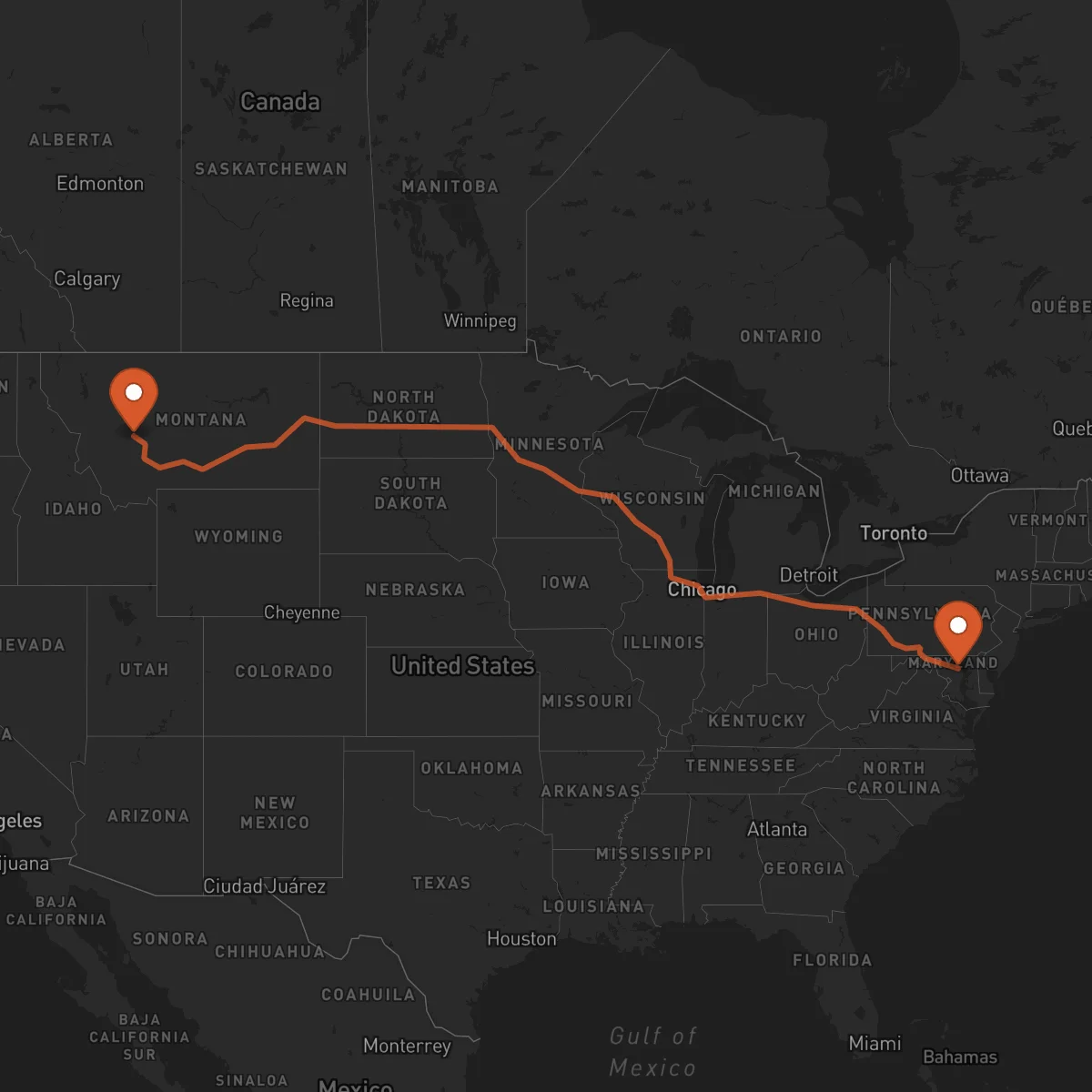
The logistics corridor connecting Helena, Montana to Baltimore, Maryland represents a vital transportation link spanning approximately 2,968 kilometers across the United States. This east-west route traverses diverse geographical regions, connecting the Mountain West with the Mid-Atlantic, facilitating the movement of goods between major industrial centers and ports. The corridor serves as a critical supply chain artery for industries requiring efficient cross-country transportation of full truckload (FTL) freight.
This route passes through key states including Montana, North Dakota, Minnesota, Wisconsin, Illinois, Indiana, Ohio, Pennsylvania, and Maryland, utilizing major interstate highways such as I-90, I-94, I-90, I-76, and I-70. These well-maintained highways provide reliable transportation infrastructure for heavy-duty freight movement, ensuring consistent transit times for time-sensitive cargo. The corridor's strategic importance is amplified by Baltimore's status as a major East Coast port and Helena's role as a distribution hub for the Northern Rockies region.
Control Terrestre specializes in facilitating seamless FTL operations along this corridor, leveraging our network of certified transportation providers to ensure your cargo moves efficiently from origin to destination. Our expertise in cross-country logistics, combined with our commitment to safety and reliability, makes us the ideal partner for companies requiring full truckload services between Helena and Baltimore. We understand the unique challenges of this route and provide dedicated solutions tailored to your specific freight requirements.
Services for this Route
Available services for the corridor Helena - Baltimore
 Origin
Helena
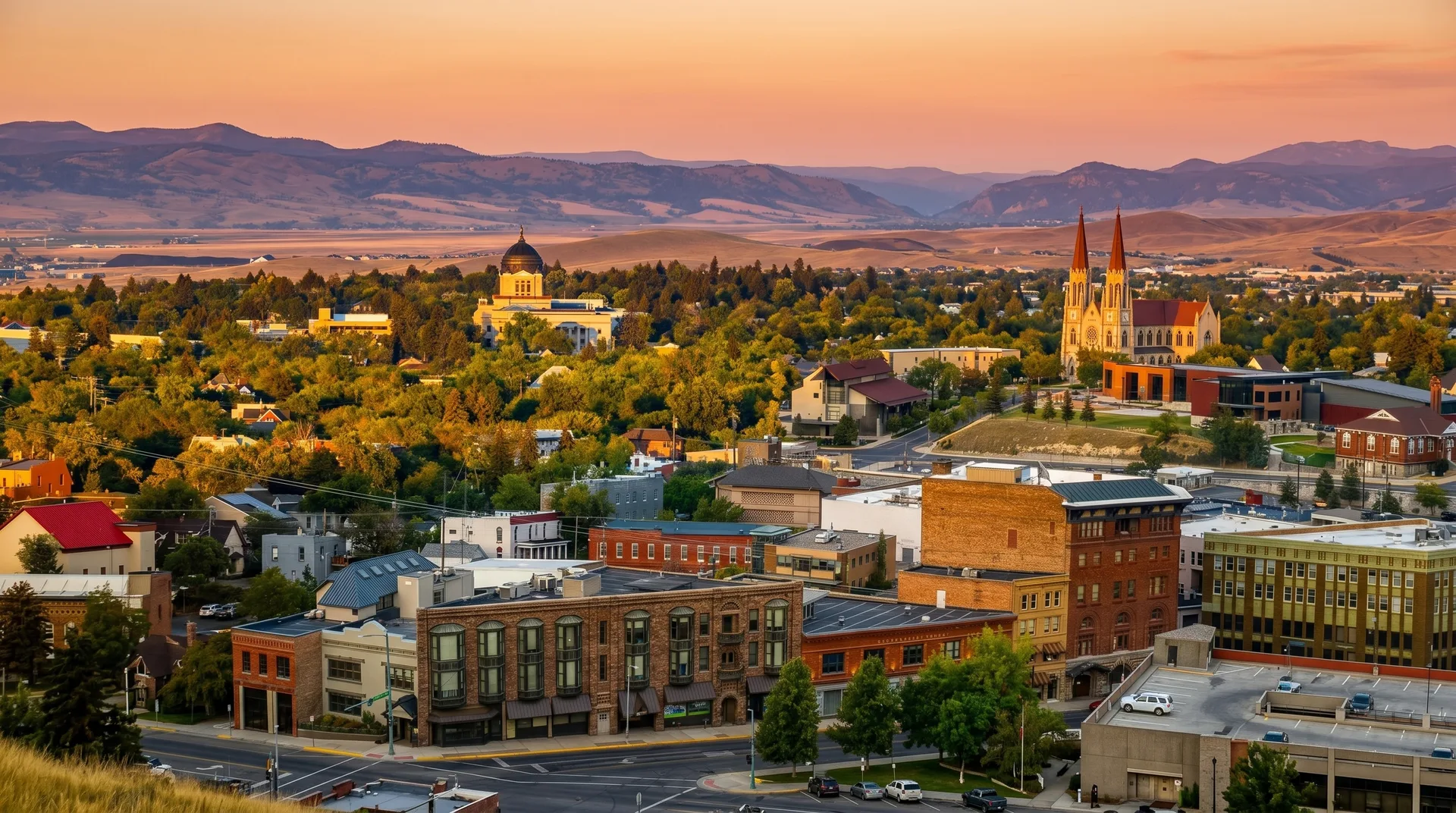
Helena, Montana serves as a strategic logistics hub in the Northern Rockies region, offering excellent connectivity for freight distribution across the western United States. Located in the heart of Montana, Helena provides access to major transportation routes including Interstate 90 and Interstate 15, facilitating efficient movement of goods to both coastal and inland destinations. The city's central location makes it an ideal origin point for companies looking to distribute products throughout the Mountain West and beyond.
The Helena economy is diverse, with strong sectors in government services, healthcare, manufacturing, and agriculture. The region is particularly known for its timber industry, mining operations, and agricultural products including wheat, barley, and livestock. Helena's industrial base includes manufacturers of wood products, machinery, and food processing facilities that regularly require reliable freight transportation services. The city's infrastructure includes the Helena Regional Airport and the BNSF Railway, complementing its robust trucking capabilities for comprehensive logistics solutions.
 Destination
Baltimore
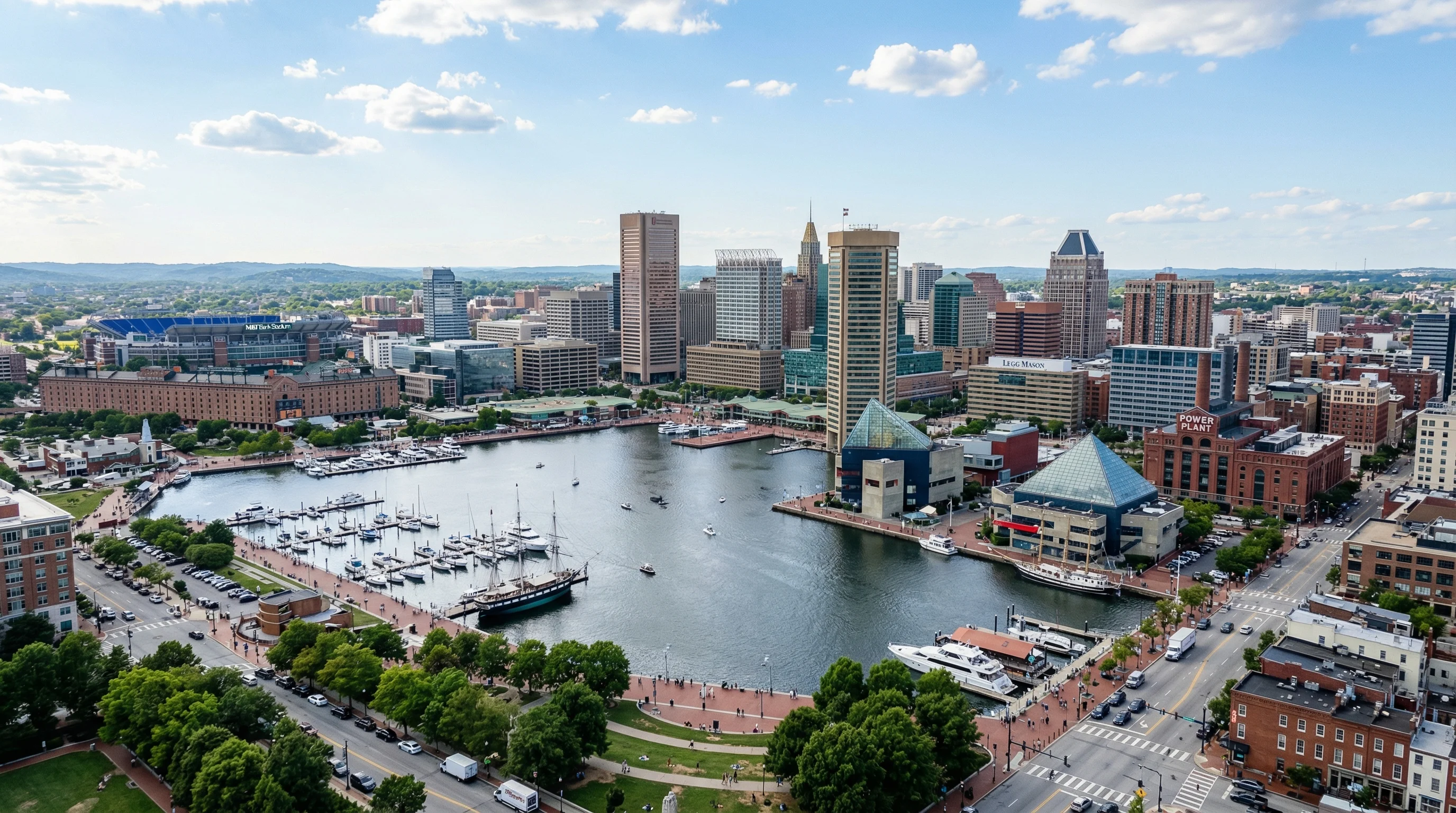
Baltimore, Maryland stands as a premier logistics destination on the East Coast, offering unparalleled access to major markets and international shipping routes. The city's strategic Mid-Atlantic location provides businesses with proximity to Washington D.C., Philadelphia, New York City, and other major metropolitan areas within a day's drive. Baltimore's comprehensive transportation infrastructure includes the Port of Baltimore, one of the busiest ports in the United States, along with extensive highway networks and rail connections.
The Baltimore metropolitan area boasts a diverse and robust economy, with key industries including healthcare, education, finance, and advanced manufacturing. The region is home to major corporations, research institutions, and government agencies that create substantial freight transportation demand. Baltimore's industrial sectors include aerospace and defense, biotechnology, information technology, and professional services. The city's port facilities handle millions of tons of cargo annually, making it a critical gateway for international trade and a major consumer of domestic freight services connecting to inland markets.










