
Fresno to Salamá
Salamá → FresnoFTL freight transportation service between Fresno and Salamá. Reliable logistics solutions for your business.
Route Description
Everything you need to know about the corridor Fresno - Salamá
The logistics corridor between Fresno, California and Salamá, Guatemala represents a vital cross-border connection spanning approximately 3,776 kilometers. This route links the agricultural heartland of California's Central Valley with the emerging industrial hub of central Guatemala, facilitating the movement of diverse cargo types including agricultural products, manufactured goods, and industrial equipment. The corridor traverses multiple jurisdictions and requires seamless coordination across different transportation networks and regulatory frameworks.
The economic significance of this corridor extends beyond simple point-to-point transportation. Fresno serves as a major distribution center for agricultural products, with its proximity to farming regions creating substantial export potential to Central American markets. Salamá, located in Guatemala's Alta Verapaz region, has developed as a growing industrial center with increasing manufacturing and assembly operations. This complementary economic relationship creates consistent freight demand in both directions, with agricultural exports from California and manufactured goods flowing northward.
Transportation along this corridor relies on major highway networks including Interstate 5 and Interstate 10 across the United States, transitioning to Mexican Federal Highways 180 and 190, and finally connecting through Guatemala's CA-9 highway system. The route includes critical border crossings at Tijuana/San Diego and Ciudad Hidalgo/El Amatillo, requiring specialized knowledge of customs procedures and documentation requirements for both US-Mexico and Mexico-Guatemala transit. Control Terrestre provides comprehensive cross-border logistics solutions, managing all aspects of this complex journey including customs brokerage, regulatory compliance, and secure cargo handling throughout the entire transit process.
Services for this Route
Available services for the corridor Fresno - Salamá
 Origin
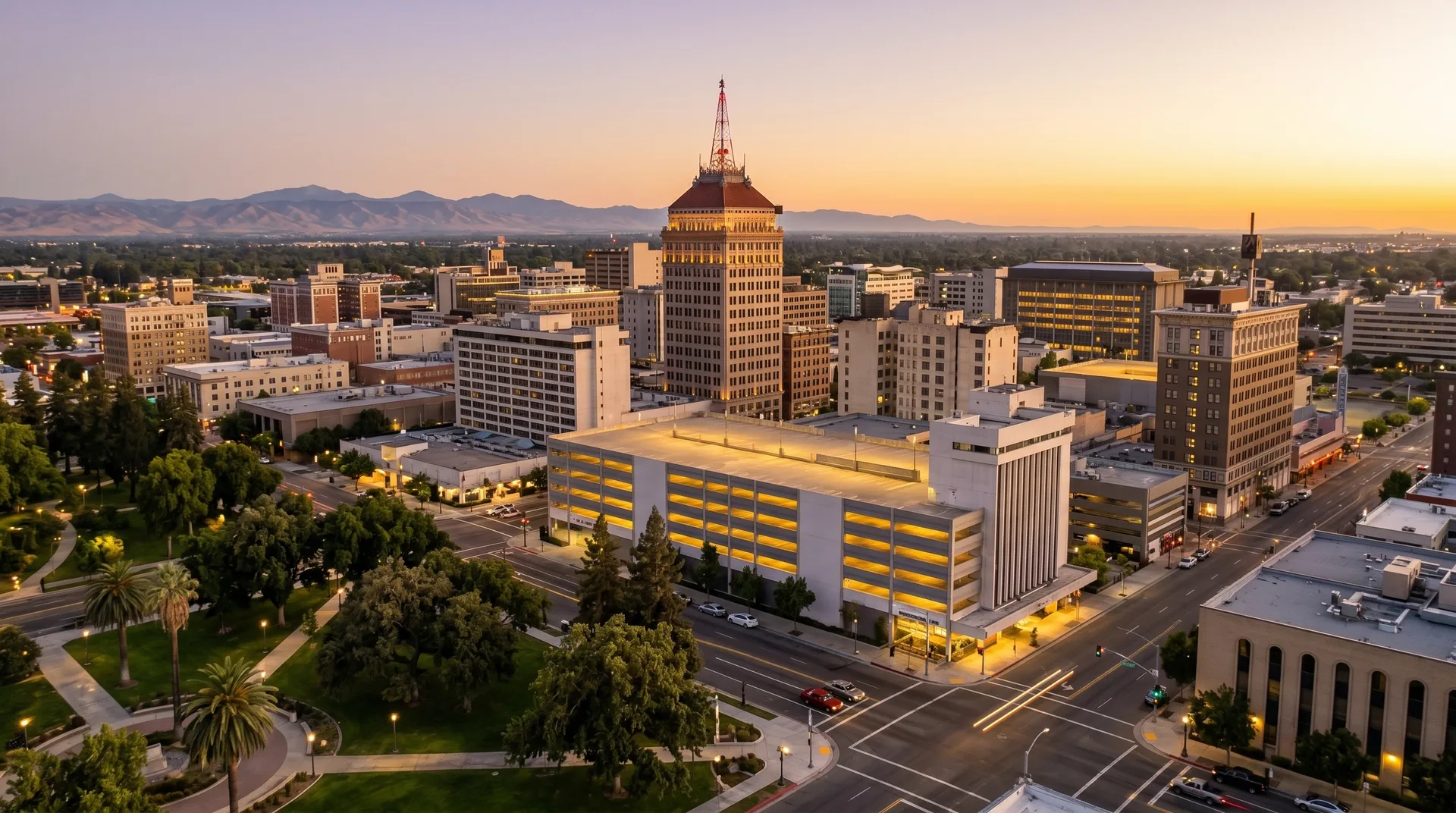
Fresno
Fresno, California serves as a strategic logistics hub in the heart of the San Joaquin Valley, positioned at the crossroads of major transportation networks. The city's location provides direct access to Interstate 5 and State Route 99, creating efficient connections to major West Coast ports and inland distribution centers. Fresno's central California position makes it an ideal origin point for freight destined for markets throughout the Western United States and beyond, with excellent rail connections complementing its highway infrastructure.
The region's economy is dominated by agriculture, with Fresno County being one of the most productive agricultural counties in the United States. This creates substantial freight opportunities for fresh produce, processed foods, and agricultural equipment. Additionally, Fresno has developed significant manufacturing and distribution sectors, with numerous warehouses and distribution centers serving e-commerce and retail supply chains. The presence of Fresno Yosemite International Airport further enhances the region's logistics capabilities, providing air cargo options for time-sensitive shipments.
 Destination
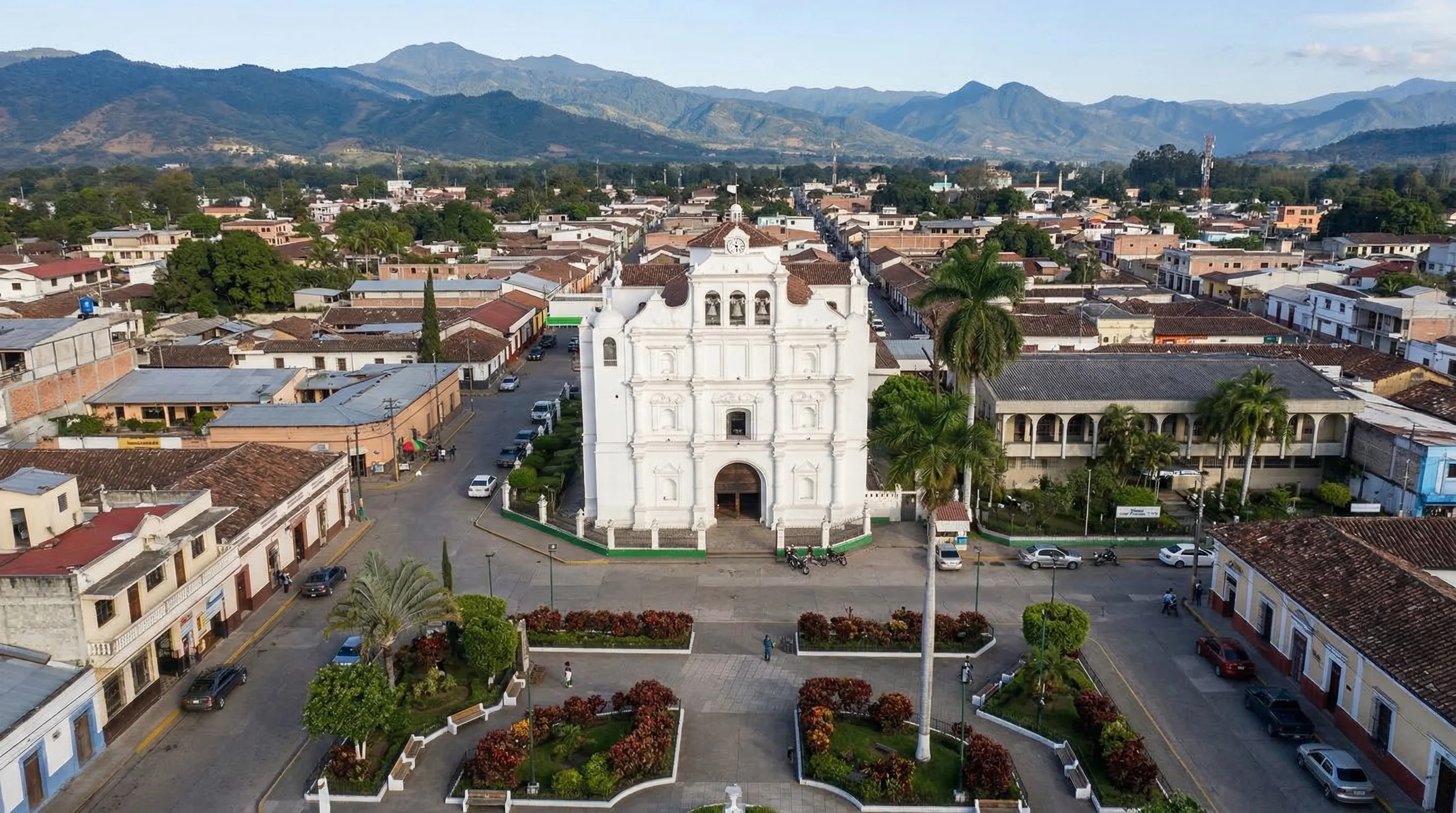
Salamá
Salamá, located in Baja Verapaz, Guatemala, occupies a strategic position in the country's central highlands, approximately 45 kilometers from Guatemala City. The city benefits from its location along Guatemala's CA-9 highway, which connects the Atlantic and Pacific coasts, providing essential north-south transportation corridors. Salamá's elevation and climate make it suitable for various industrial activities while maintaining good connections to both coastal regions and the capital.
The local economy has been growing through light manufacturing, assembly operations, and agricultural processing facilities. Salamá's proximity to Guatemala City provides access to larger markets while offering lower operational costs compared to the capital. The region has seen increased foreign investment in manufacturing and distribution, creating demand for reliable freight transportation services. Local infrastructure continues to develop, with improvements to highway systems and logistics facilities supporting the growing industrial base.










