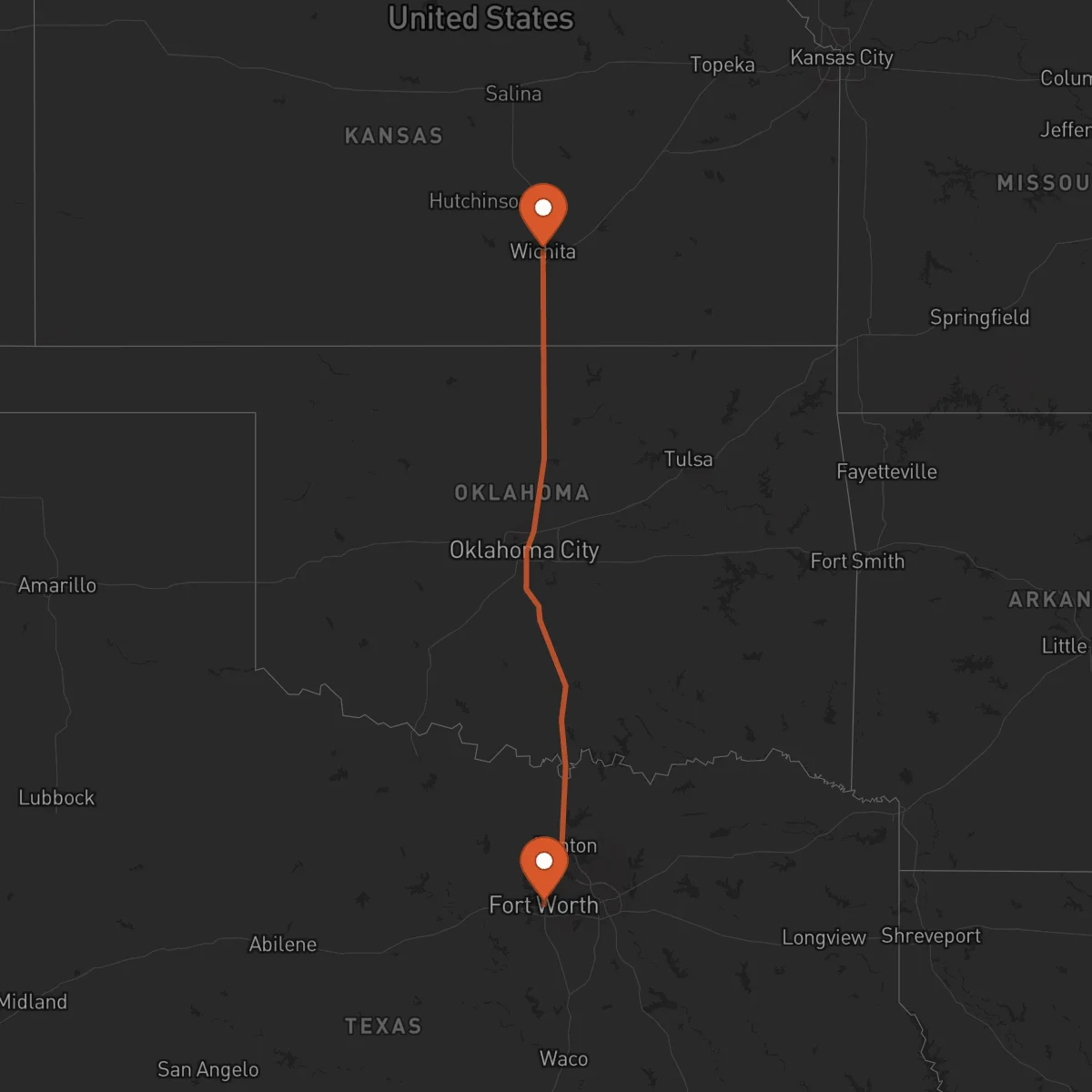
Fort Worth to Wichita
Wichita → Fort WorthFTL freight transportation service between Fort Worth and Wichita. Reliable logistics solutions for your business.
Route Description
Everything you need to know about the corridor Fort Worth - Wichita
The corridor connecting Fort Worth, Texas, to Wichita, Kansas, represents a vital transportation link in the central United States, spanning approximately 549 kilometers. This route traverses the heart of America's industrial and agricultural regions, connecting two significant economic hubs in the Midwest and South. The corridor serves as a crucial artery for freight movement between Texas's major markets and the manufacturing centers of Kansas, facilitating the flow of goods across state lines and supporting regional economic integration.
The economic significance of this corridor cannot be overstated. Fort Worth serves as a major distribution center for goods entering and leaving Texas, while Wichita stands as a global aerospace manufacturing powerhouse. This route enables the efficient movement of raw materials, components, and finished products between these complementary economic regions. The corridor's strategic importance is further enhanced by its connection to major interstate highways, providing access to both coastal ports and inland distribution networks.
Control Terrestre specializes in optimizing freight transportation along this corridor through our extensive network of certified carriers and strategic partnerships. We understand the unique requirements of moving goods between these two dynamic markets, whether it's aerospace components from Wichita or industrial equipment from Fort Worth. Our expertise in full truckload (FTL) services ensures that your cargo moves efficiently, securely, and on schedule, regardless of the specific requirements of your shipment.
Services for this Route
Available services for the corridor Fort Worth - Wichita
 Origin
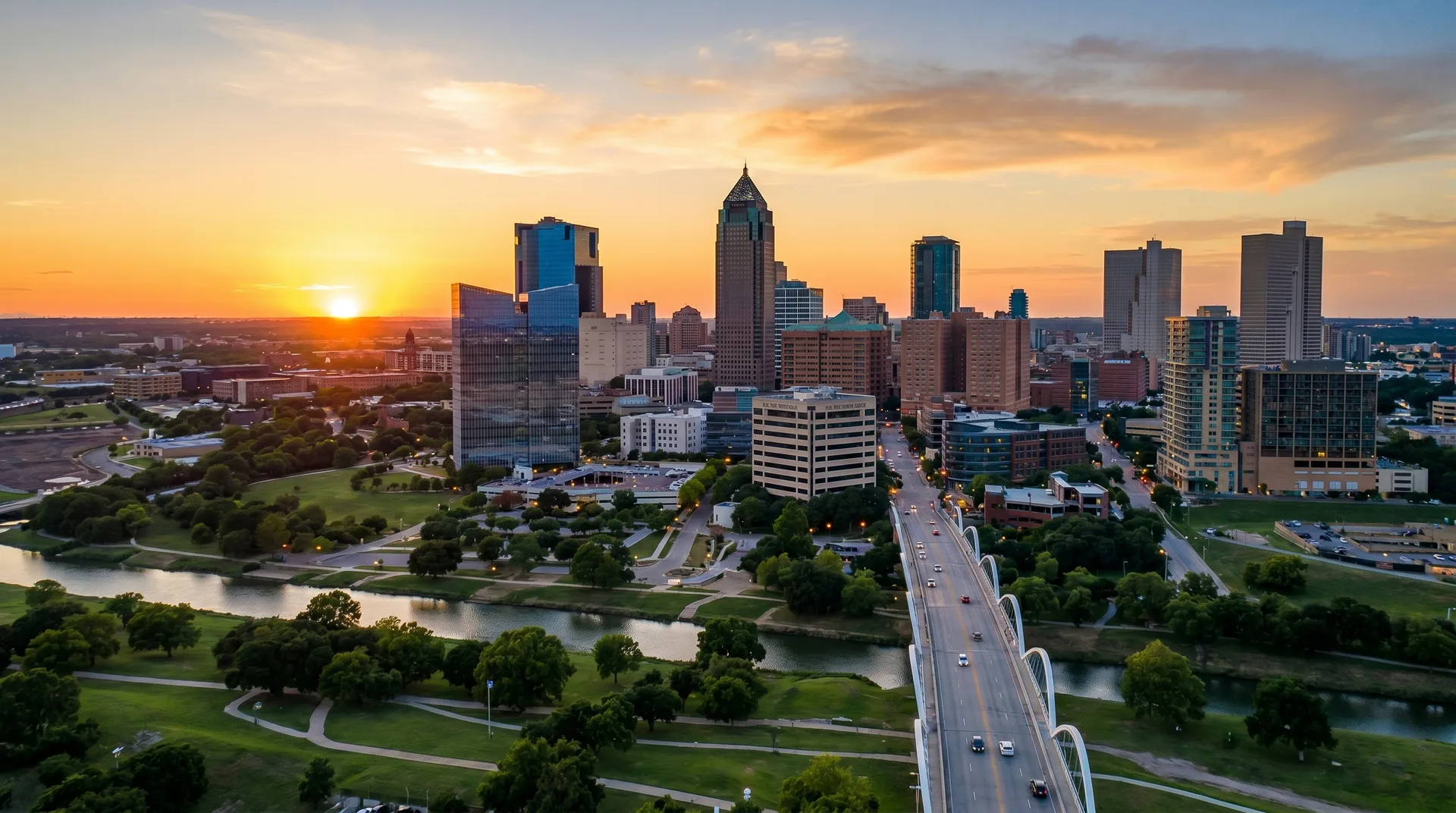
Fort Worth
Fort Worth, Texas, stands as a strategic logistics hub in the southern United States, offering exceptional connectivity and infrastructure for freight transportation. The city's location within the Dallas-Fort Worth metroplex provides access to one of the nation's largest and most diverse economies. Fort Worth's transportation network includes multiple interstate highways, including I-35W and I-30, facilitating efficient north-south and east-west freight movement. The city's proximity to major ports and international borders makes it an ideal origin point for domestic and cross-border shipments.
The economic landscape of Fort Worth is characterized by diverse industries including aerospace, manufacturing, logistics, and energy. The city hosts major corporate headquarters and distribution centers, creating substantial freight demand. Fort Worth's AllianceTexas development, a master-planned commercial and industrial complex, further enhances the region's logistics capabilities with its own airport and extensive rail connections. This robust infrastructure, combined with the city's business-friendly environment, makes Fort Worth an optimal starting point for freight shipments heading north to Kansas and beyond.
 Destination
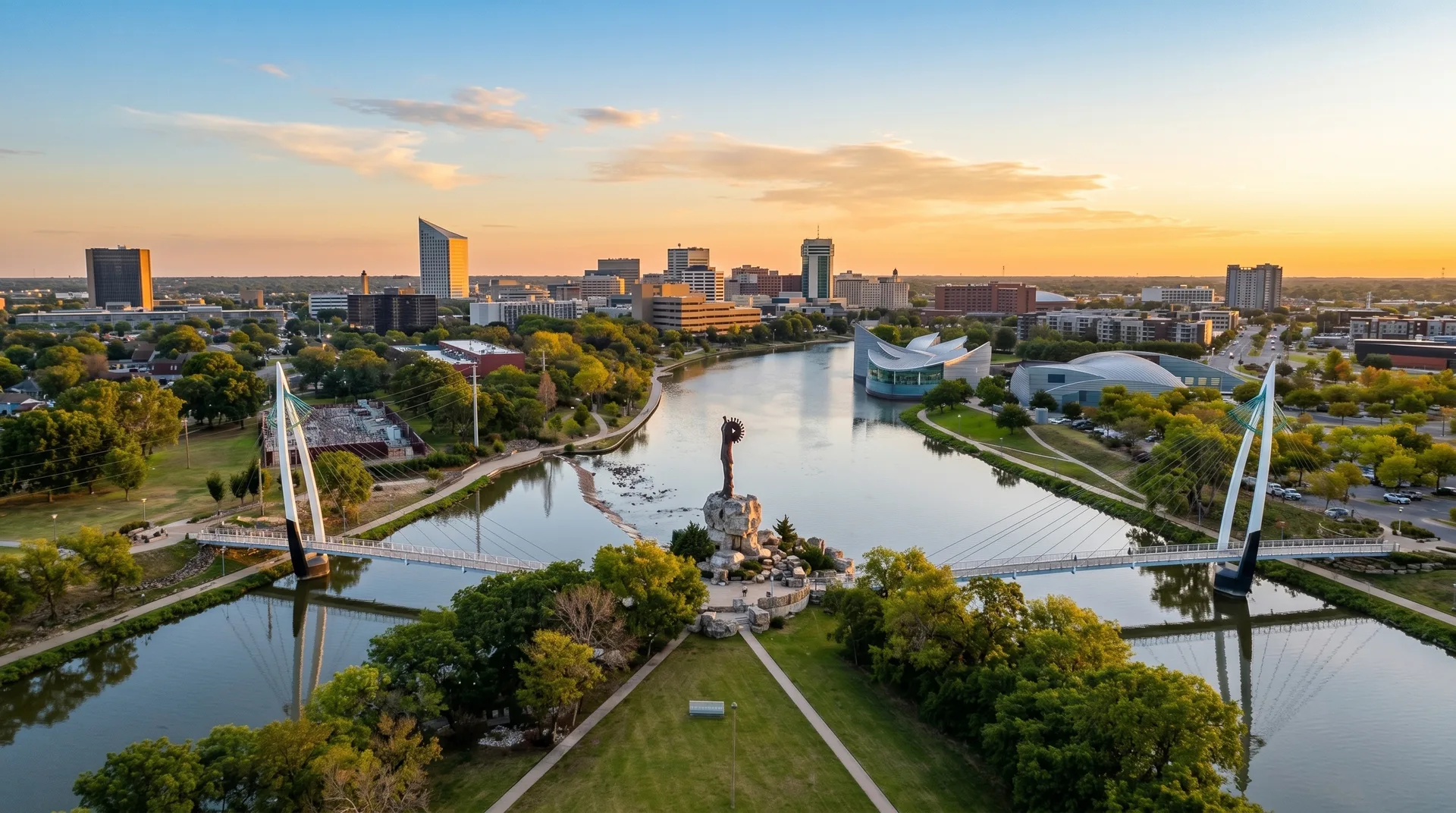
Wichita
Wichita, Kansas, serves as a critical logistics and manufacturing center in the central United States, particularly renowned as the 'Air Capital of the World.' The city's strategic location in south-central Kansas provides excellent access to major freight corridors and distribution networks throughout the Midwest. Wichita's transportation infrastructure includes Interstate 35, which connects directly to Fort Worth, as well as other major highways facilitating efficient freight movement in all directions. The city's well-developed road network and proximity to rail facilities make it an ideal destination for time-sensitive and high-value shipments.
The economic foundation of Wichita is built upon its dominant aerospace industry, with major manufacturers like Boeing, Cessna, and Learjet maintaining significant operations in the area. This industrial concentration creates substantial demand for specialized freight services, particularly for oversized components and sensitive equipment. Beyond aerospace, Wichita's economy includes manufacturing, healthcare, and agriculture sectors, all contributing to consistent freight volumes. The city's logistics infrastructure is designed to handle diverse cargo types, from raw materials to finished products, making it a versatile destination for freight transportation services.










