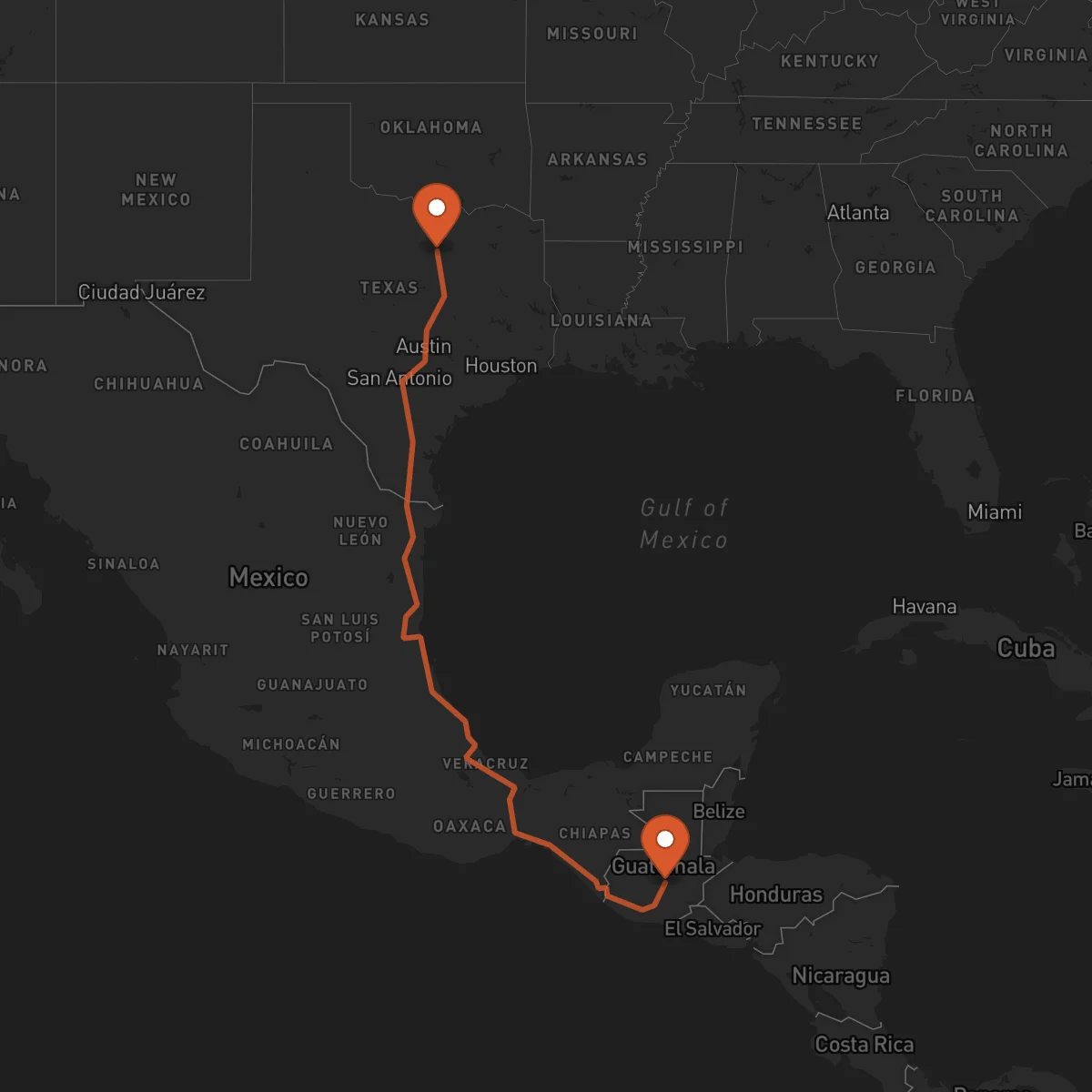
Fort Worth to Salamá
Salamá → Fort WorthFTL freight transportation service between Fort Worth and Salamá. Reliable logistics solutions for your business.
Route Description
Everything you need to know about the corridor Fort Worth - Salamá
The logistics corridor connecting Fort Worth, Texas, with Salamá, Baja Verapaz, Guatemala, represents a vital cross-border transportation route spanning approximately 2,087 kilometers. This corridor serves as a crucial link between the industrial heartland of North Texas and the growing economic center of central Guatemala. The route traverses diverse terrain and crosses multiple international borders, requiring expert logistics management to ensure seamless freight movement. Control Terrestre specializes in navigating the complexities of this corridor, providing reliable full truckload (FTL) transportation services that connect businesses across these two regions.
The economic significance of this corridor is substantial, facilitating trade between the manufacturing and distribution hubs of the Dallas-Fort Worth metroplex and the agricultural, textile, and manufacturing sectors in Guatemala's Verapaz region. Major industries utilizing this route include automotive parts, electronics, consumer goods, and agricultural products. The corridor primarily follows key transportation arteries including Interstate 35 southward through Texas, connecting to major Mexican highways, and continuing through Mexico before entering Guatemala via established border crossings. Control Terrestre's expertise in cross-border operations ensures compliance with customs regulations and efficient transit through all necessary checkpoints.
Transportation infrastructure along this corridor includes well-maintained highways, though the route does present challenges such as varying road conditions and multiple border crossings. The main border crossing points require careful coordination and documentation, which Control Terrestre manages through our certified transportation network. Our providers maintain C-TPAT, FAST, and other relevant certifications to expedite customs clearance and ensure cargo security. The journey concludes in Salamá, where our local partners facilitate final delivery to businesses and distribution centers in the region, completing the supply chain connection between these two important commercial centers.
Services for this Route
Available services for the corridor Fort Worth - Salamá
 Origin
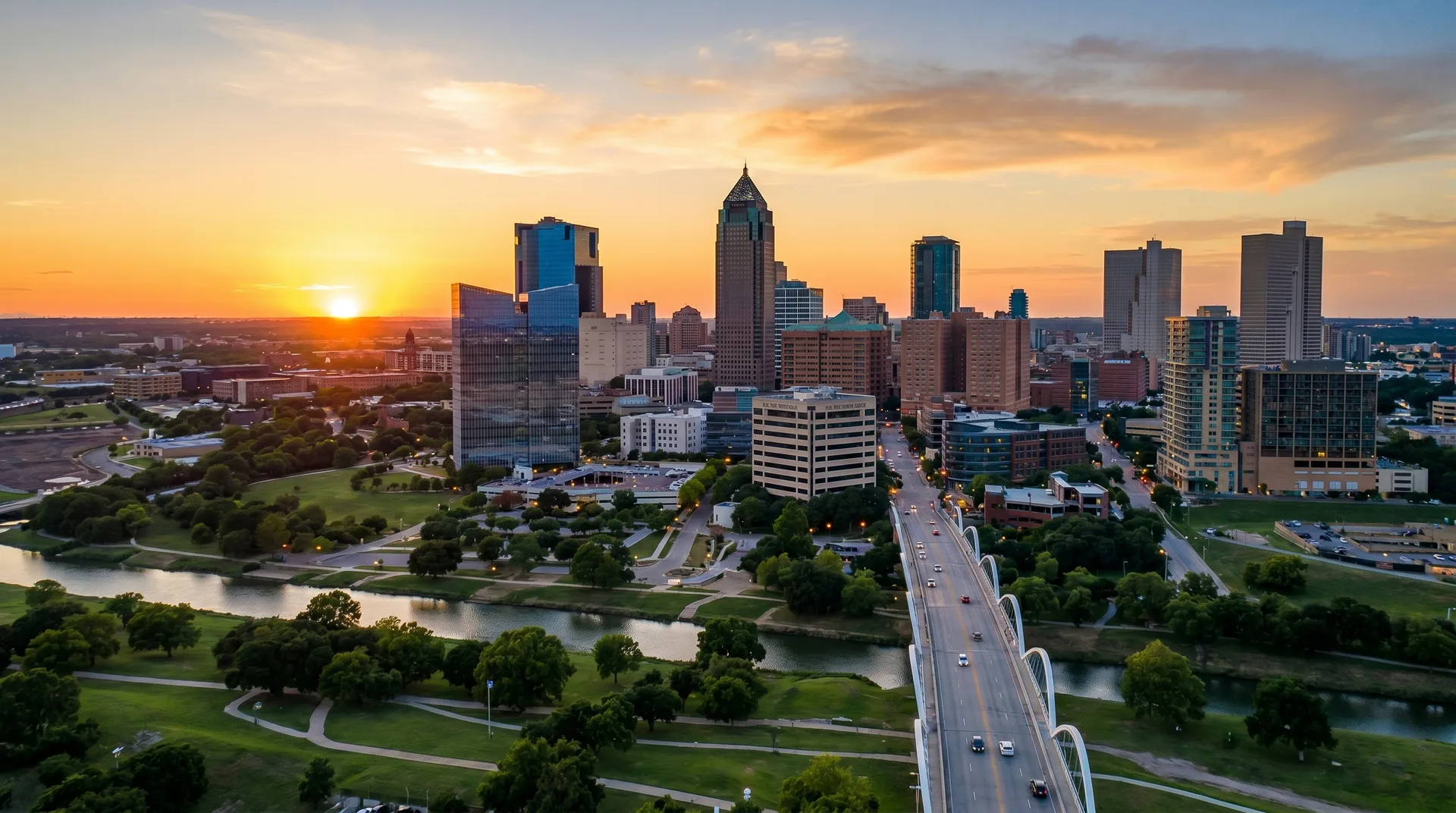
Fort Worth
Fort Worth, Texas, serves as a strategic logistics hub in the Dallas-Fort Worth metroplex, offering exceptional connectivity through multiple interstate highways including I-35, I-30, and I-20. The city's central location in North Texas provides direct access to major manufacturing centers, distribution facilities, and the Port of Houston for international shipping. Fort Worth's economy is diverse, with strong presence in aviation (Lockheed Martin), logistics, and distribution sectors. The AllianceTexas development exemplifies the region's logistics capabilities, featuring an inland port, rail facilities, and extensive warehousing. The city's transportation infrastructure includes Alliance Airport, major rail yards, and proximity to DFW International Airport, making it an ideal origin point for cross-border freight operations to Central America.
 Destination
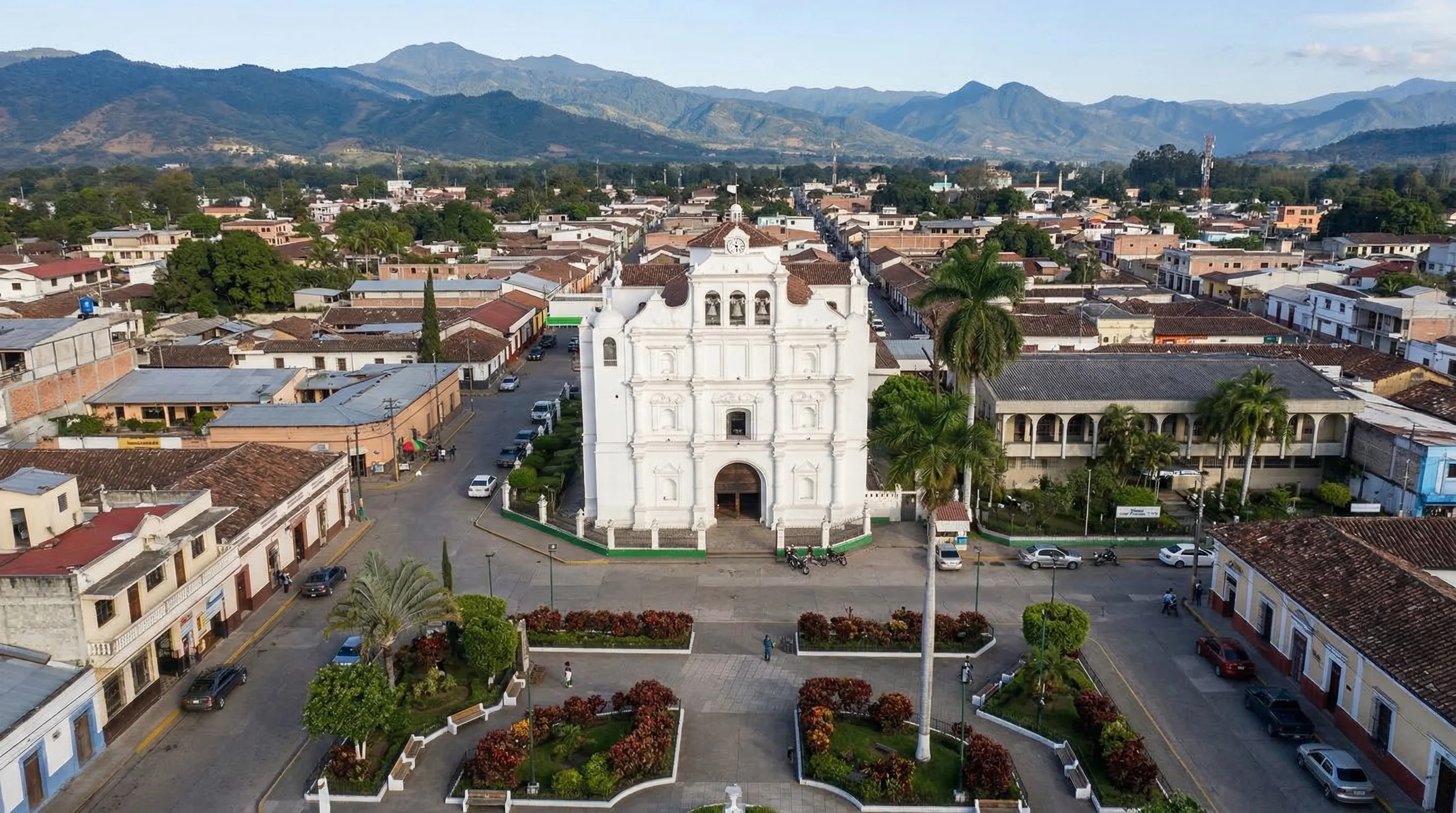
Salamá
Salamá, located in the Baja Verapaz department of Guatemala, serves as an important commercial center in the country's central highlands. The city's strategic position provides access to Guatemala City's major markets and manufacturing zones within a few hours' drive. Salamá's economy is anchored in agriculture, light manufacturing, and commercial services, with growing importance in textile production and food processing industries. The region benefits from Guatemala's developing transportation infrastructure, including the CA-9 highway that connects to the capital and other major cities. While the area maintains a more traditional commercial character compared to Guatemala City, Salamá's location makes it a viable destination for freight distribution throughout central Guatemala, with local transportation networks facilitating last-mile delivery to surrounding communities and businesses.










