Fort Worth to Mérida
Mérida → Fort WorthFTL freight transportation service between Fort Worth and Mérida. Reliable logistics solutions for your business.
Route Description
Everything you need to know about the corridor Fort Worth - Mérida
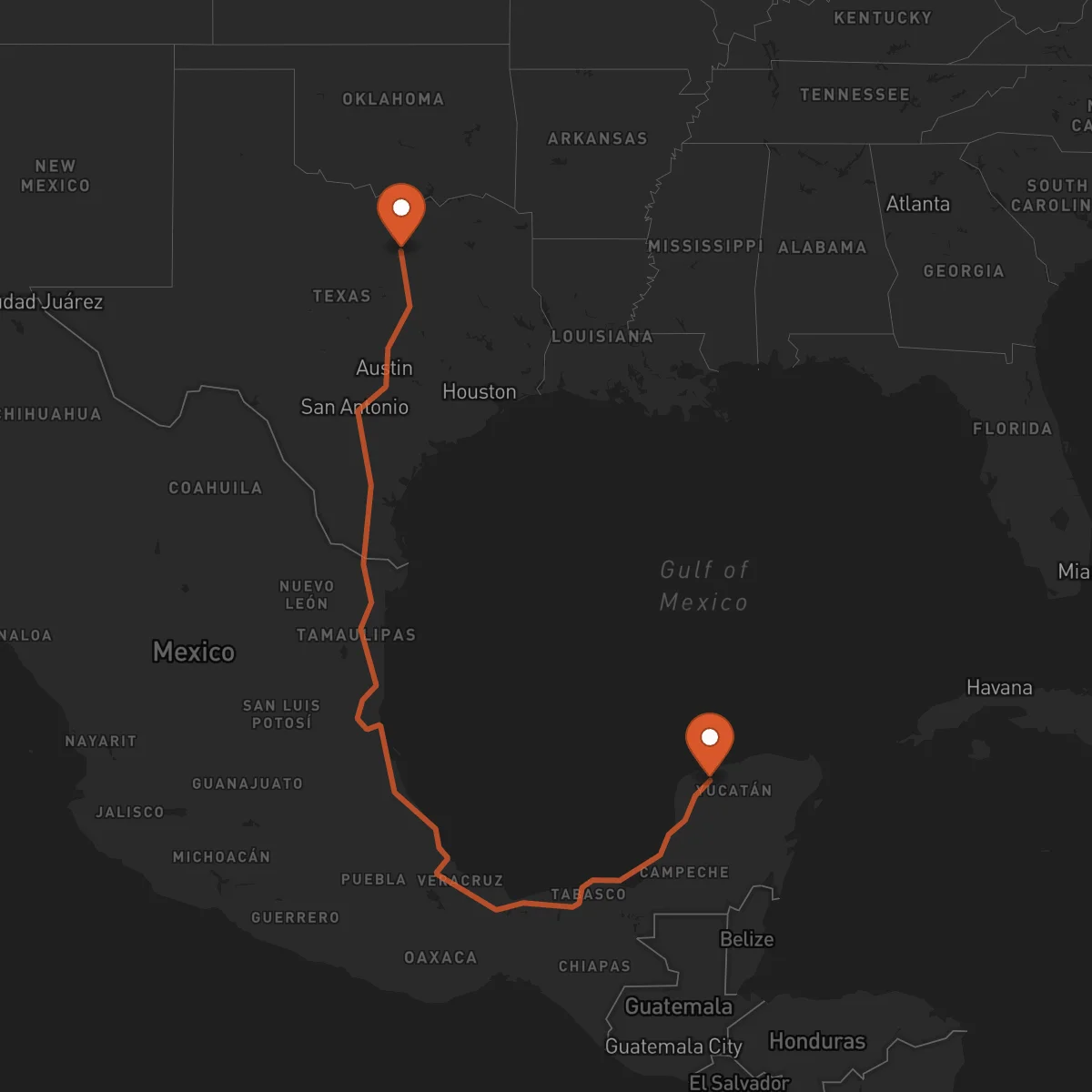
The logistics corridor between Fort Worth, Texas, and Mérida, Yucatán, represents a vital trade route connecting the industrial heart of North Texas with the emerging economic hub of southeastern Mexico. This 1,518 km cross-border corridor facilitates the movement of goods between two dynamic regions, supporting the growing commercial exchange between the United States and Mexico. The route traverses diverse landscapes and crosses the U.S.-Mexico border, requiring expertise in cross-border logistics and customs procedures.
The corridor serves a wide range of industries, with Fort Worth's strong manufacturing, aerospace, and distribution sectors complementing Mérida's growing automotive, aerospace, and technology industries. This complementary economic relationship creates consistent freight demand, particularly for automotive parts, industrial equipment, and consumer goods. The route's strategic importance is amplified by Mérida's role as a gateway to the Yucatán Peninsula and its proximity to major ports like Progreso, facilitating international trade flows.
Key infrastructure along this corridor includes Interstate 35 from Fort Worth to Laredo, providing efficient north-south connectivity, followed by Mexican Federal Highway 40D and 180D to Mérida. The Laredo-Nuevo Laredo border crossing serves as the primary point of entry into Mexico, where Control Terrestre's C-TPAT and FAST-certified carriers ensure expedited processing. Our expertise in cross-border documentation, customs compliance, and temperature-controlled transportation (when needed) ensures seamless freight movement from origin to destination, regardless of regulatory complexities.
Services for this Route
Available services for the corridor Fort Worth - Mérida
 Origin
Fort Worth
Fort Worth, Texas, serves as a strategic logistics hub in the Dallas-Fort Worth metroplex, offering exceptional connectivity through multiple interstate highways including I-35, I-30, and I-20. The city's central location in North Texas provides efficient access to major markets across the southern United States. Fort Worth's economy is anchored by diverse sectors including manufacturing, aerospace (Lockheed Martin), logistics and distribution, and healthcare. The AllianceTexas development, one of the nation's premier inland ports, features an international airport, extensive rail connections, and warehousing facilities that support robust freight movement. The city's transportation infrastructure includes the BNSF Railway intermodal facility and direct access to major distribution centers, making it an ideal origin point for cross-border freight to Mexico.
 Destination
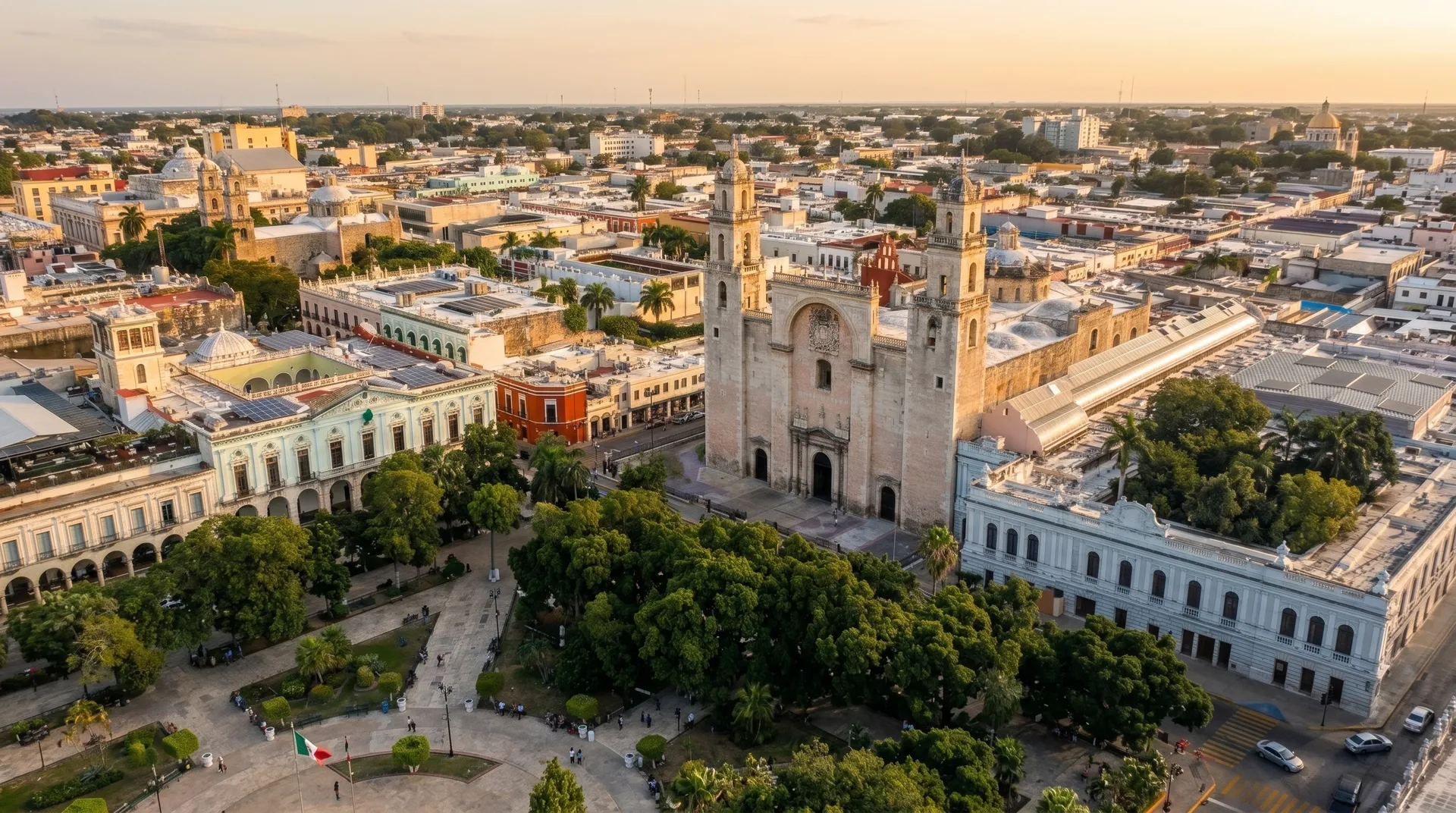
Mérida, Yucatán, stands as a strategic logistics center in southeastern Mexico, offering unique advantages for regional distribution throughout the Yucatán Peninsula. The city's location provides access to major ports like Progreso (approximately 40 km away), facilitating international maritime trade. Mérida's economy has diversified significantly, with growing automotive manufacturing (including suppliers for nearby plants in the region), aerospace companies, tourism, and technology sectors driving freight demand. The city is connected by modern highways including the Mérida-Valladolid and Mérida-Campeche routes, with the recently upgraded Mérida International Airport supporting air cargo operations. The region's economic growth, combined with its proximity to the Riviera Maya and other tourist destinations, creates consistent demand for both industrial and consumer goods transportation.










