Fort Worth to La Paz
La Paz → Fort WorthFTL freight transportation service between Fort Worth and La Paz. Reliable logistics solutions for your business.
Route Description
Everything you need to know about the corridor Fort Worth - La Paz
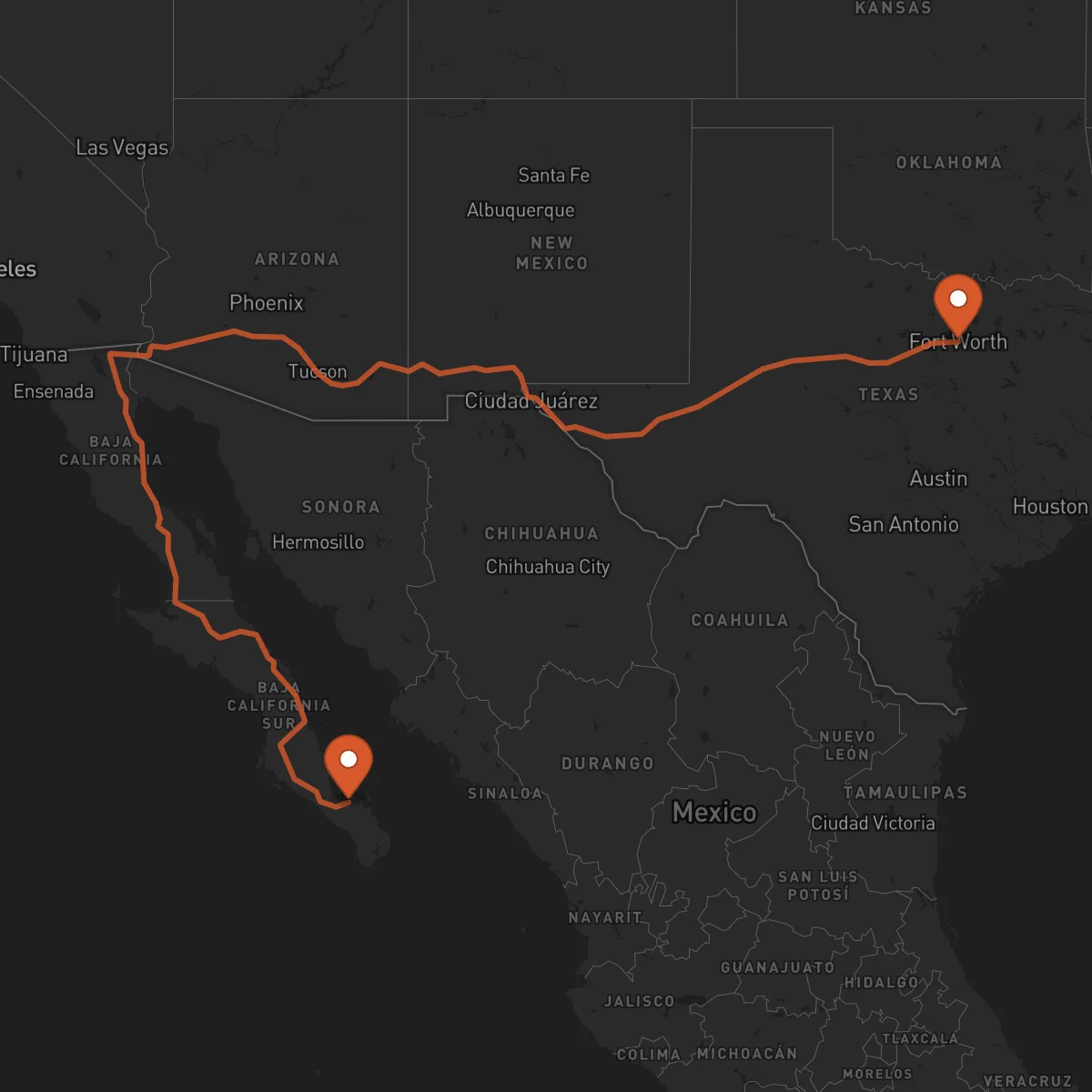
The Fort Worth to La Paz logistics corridor represents a vital cross-border connection between the industrial heartland of Texas and the growing economic center of Baja California Sur. This 1,588 km route traverses diverse terrain, from the urban centers of Texas through the desert landscapes of northern Mexico, connecting two dynamic economic regions. The corridor serves as a critical artery for commerce between the United States and Mexico, facilitating the movement of goods that fuel both economies.
The economic significance of this route cannot be overstated. Fort Worth serves as a major distribution hub for the central United States, with its proximity to major manufacturing centers and transportation networks. Meanwhile, La Paz has emerged as an important port city and industrial center in Mexico, particularly in sectors such as mining, fishing, and tourism. The corridor enables the seamless flow of raw materials, finished goods, and specialized equipment between these complementary economies.
Control Terrestre specializes in managing the complexities of this cross-border route, ensuring efficient and reliable transportation of full truckload (FTL) freight. Our expertise in navigating the regulatory requirements, customs procedures, and logistical challenges of international shipping makes us the ideal partner for companies seeking to optimize their supply chain between Fort Worth and La Paz. We provide end-to-end solutions that address the unique demands of this corridor, from secure loading in Fort Worth to timely delivery in La Paz.
Services for this Route
Available services for the corridor Fort Worth - La Paz
 Origin
Fort Worth
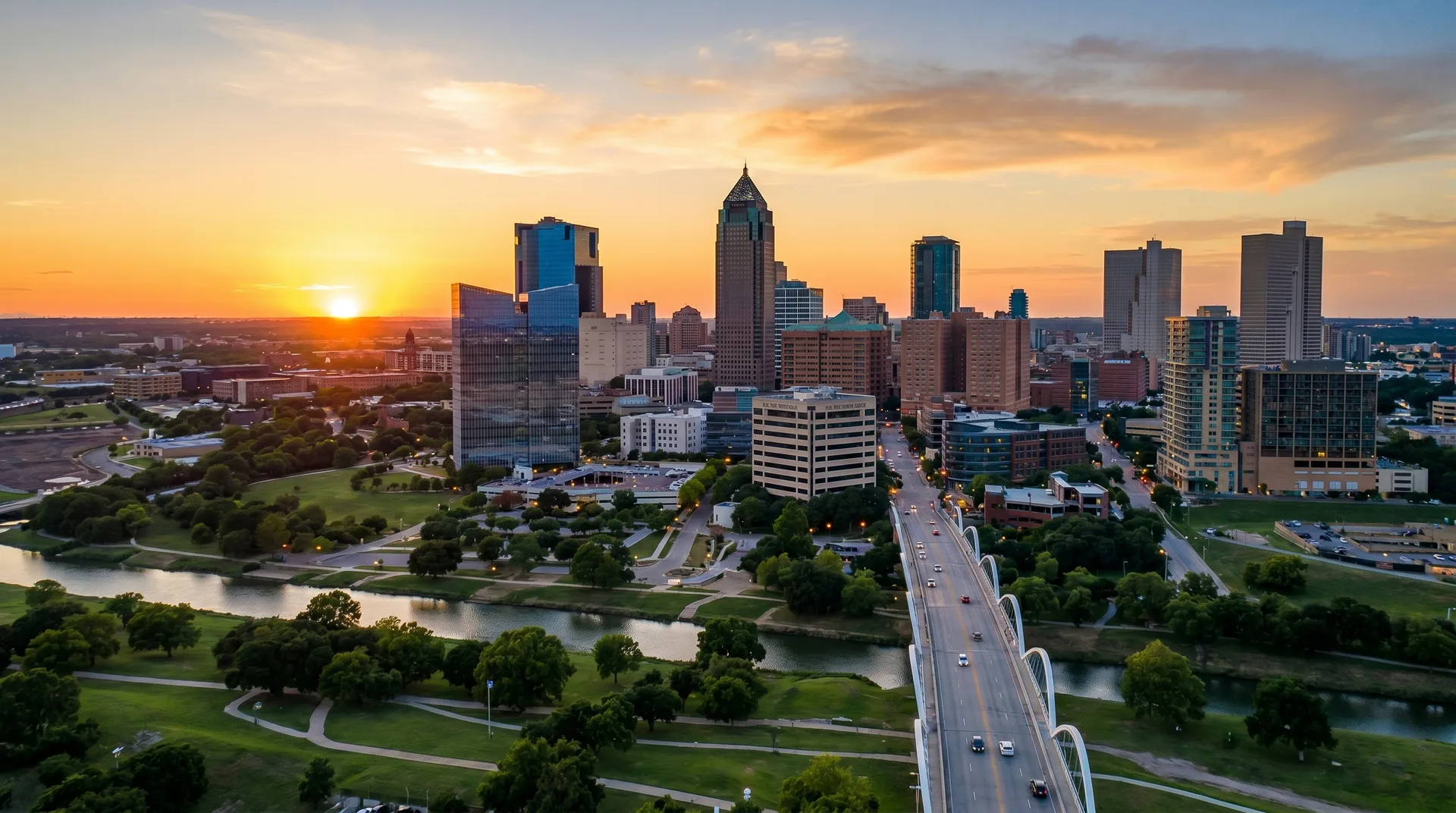
Fort Worth, Texas stands as a strategic logistics powerhouse in the southern United States. Located in the Dallas-Fort Worth metroplex, the city benefits from its central position within the North American continent, providing excellent connectivity to major markets across the country. Fort Worth's economy is diverse and robust, with strong sectors in aerospace and defense, manufacturing, logistics, and distribution. The city is home to major corporations and industrial facilities that require efficient transportation solutions.
The transportation infrastructure in Fort Worth is world-class, featuring multiple interstate highways including I-35W and I-30, which provide direct access to Mexico and other key markets. The city also boasts the AllianceTexas development, one of the largest inland ports in the United States, featuring a major intermodal facility that connects rail, truck, and air transportation. This comprehensive infrastructure network makes Fort Worth an ideal origin point for cross-border freight movements.
 Destination
La Paz
La Paz, the capital city of Baja California Sur, occupies a strategic position on the eastern coast of the Baja California Peninsula. As a key port city on the Sea of Cortez, La Paz serves as a gateway for maritime trade and a vital link in Mexico's logistics network. The city's economy is anchored by industries such as fishing, mining, tourism, and increasingly, manufacturing and technology sectors. Its growing industrial base requires reliable supply chains to support continued economic development.
The transportation infrastructure in La Paz includes the Manuel Márquez de León International Airport and connections to the Mexican highway system via Federal Highway 1. While the city is somewhat remote compared to other major Mexican urban centers, its strategic location makes it an important destination for freight from the United States. The port facilities in La Paz handle both commercial and industrial cargo, further enhancing the city's role in regional and international trade.










