
Fort Worth to Cobán
Cobán → Fort WorthFTL freight transportation service between Fort Worth and Cobán. Reliable logistics solutions for your business.
Route Description
Everything you need to know about the corridor Fort Worth - Cobán
The logistics corridor between Fort Worth, Texas, and Cobán, Guatemala, represents a vital cross-border connection spanning approximately 2,046 kilometers. This route links the industrial heart of North Texas with the agricultural and manufacturing center of Alta Verapaz, facilitating trade between the United States and Guatemala. The corridor passes through major transportation hubs including Dallas, San Antonio, and Monterrey before crossing at the Laredo-Nuevo Laredo border, continuing through Mexican highways to the southern border and into Guatemala.
The economic significance of this corridor is substantial, connecting Fort Worth's diverse industrial base with Cobán's growing agricultural and textile sectors. Fort Worth serves as a major distribution center for manufacturing, aerospace, and logistics operations, while Cobán is known for its cardamom, coffee, and textile production. This trade flow supports both regions' economic development, with manufacturers in Texas accessing Guatemalan agricultural products and Guatemalan businesses obtaining industrial equipment and supplies from North Texas.
Key industries utilizing this corridor include automotive parts, agricultural equipment, consumer goods, textiles, and food products. The route primarily follows Interstate 35 south from Fort Worth through Texas, connecting with Mexican Federal Highway 85, then transitioning to Mexican Federal Highway 40 and Guatemalan highways CA-9 and CA-10. The Laredo-Nuevo Laredo crossing serves as the primary border entry point, offering efficient processing for qualified carriers.
Control Terrestre facilitates seamless operations along this corridor through our extensive network of certified carriers and cross-border expertise. We handle all customs documentation, coordinate with Mexican and Guatemalan authorities, and ensure compliance with both countries' transportation regulations. Our team provides end-to-end visibility and dedicated support throughout the journey, making international shipping between Fort Worth and Cobán efficient and reliable.
Services for this Route
Available services for the corridor Fort Worth - Cobán
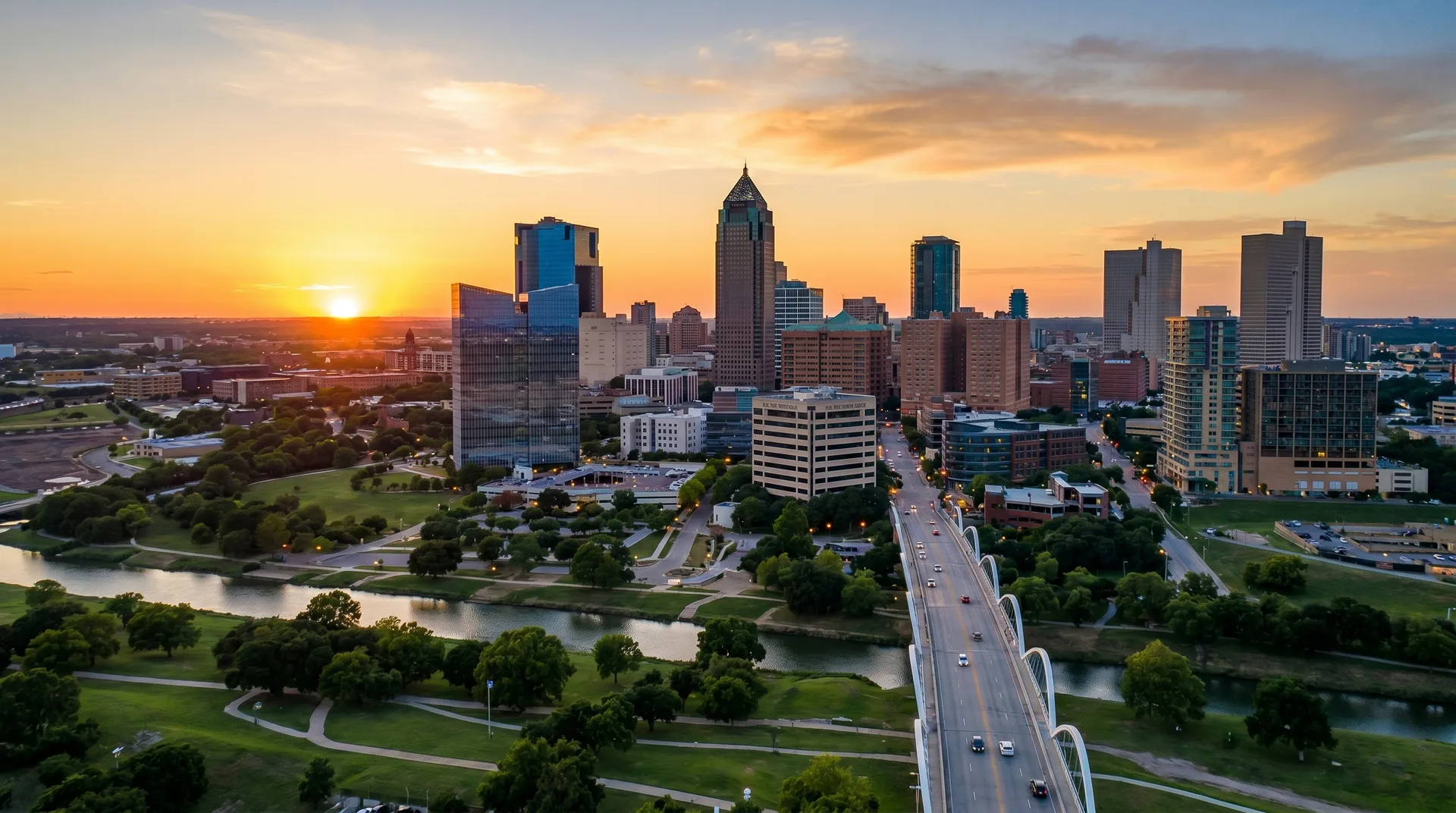 Origin
Fort Worth
Fort Worth, Texas, serves as a strategic logistics hub in the Dallas-Fort Worth Metroplex, offering exceptional connectivity through multiple interstate highways including I-35W, I-30, and I-20. The city's central location in North Texas provides direct access to major markets across the southern United States. Fort Worth's economy is anchored by manufacturing, aerospace, and distribution sectors, with companies like Lockheed Martin and Bell Textron headquartered here. The AllianceTexas development, one of the nation's largest inland ports, features a 5,000-acre industrial complex with direct rail access to major ports and an international airport. The city's transportation infrastructure includes the Fort Worth Intermodal Transportation Center, extensive warehousing facilities, and proximity to DFW International Airport, making it an ideal origin point for cross-border freight movements.
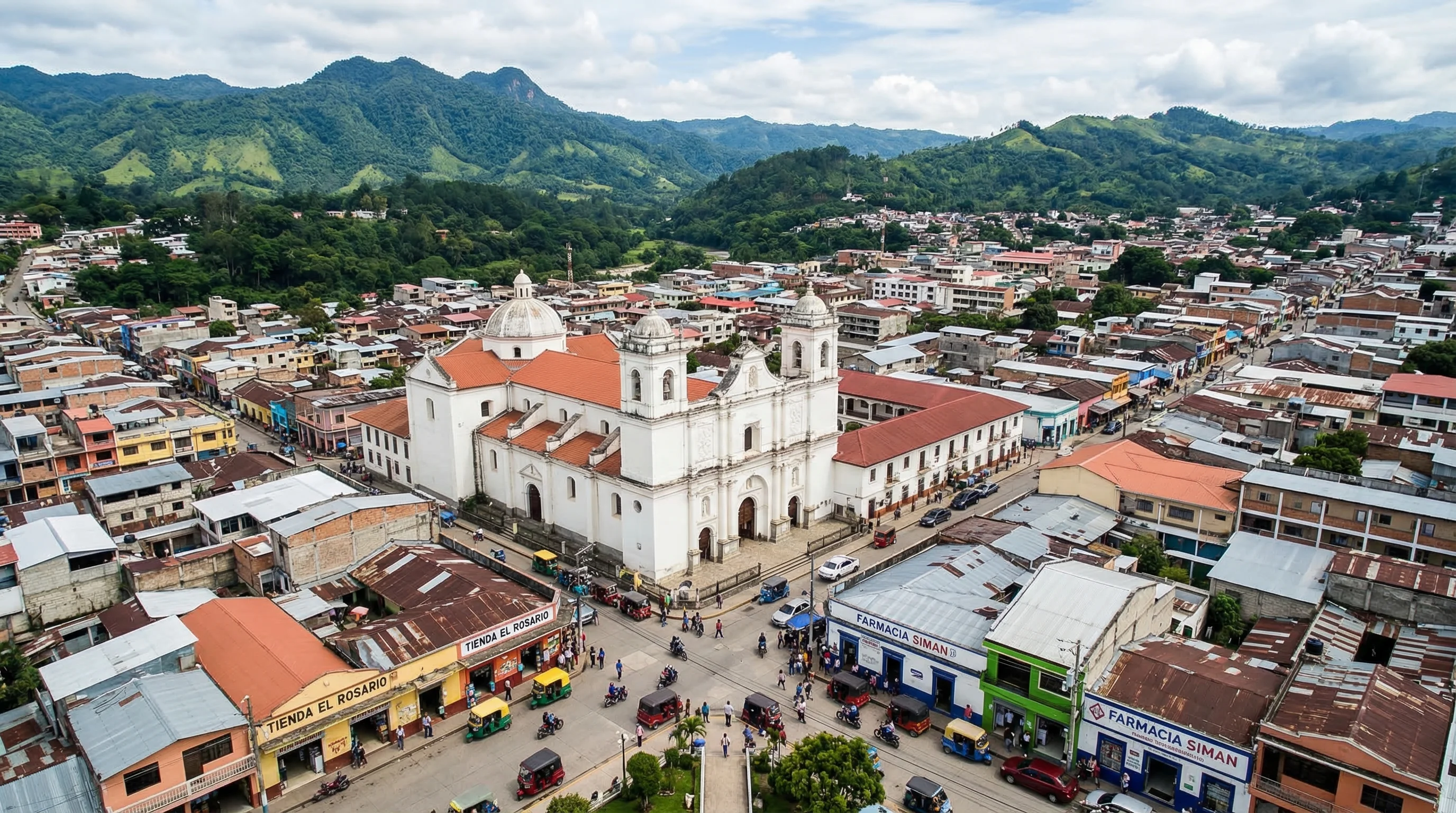 Destination
Cobán
Cobán, located in the heart of Guatemala's Alta Verapaz department, serves as a strategic distribution center for the country's central highlands region. The city's location provides access to Guatemala City within a 4-5 hour drive via well-maintained highways, connecting it to the Port of Santo Tomás de Castilla for international maritime shipping. Cobán's economy is primarily based on agriculture, particularly cardamom, coffee, and tea production, along with growing textile and tourism sectors. The city benefits from Guatemala's expanding logistics infrastructure, including the CA-9 highway that connects to the Mexican border and the Atlantic Highway (CA-10) that provides access to Caribbean ports. While Cobán lacks major industrial facilities, its role as a regional commercial center makes it an important destination for both agricultural exports and industrial imports from North America.










