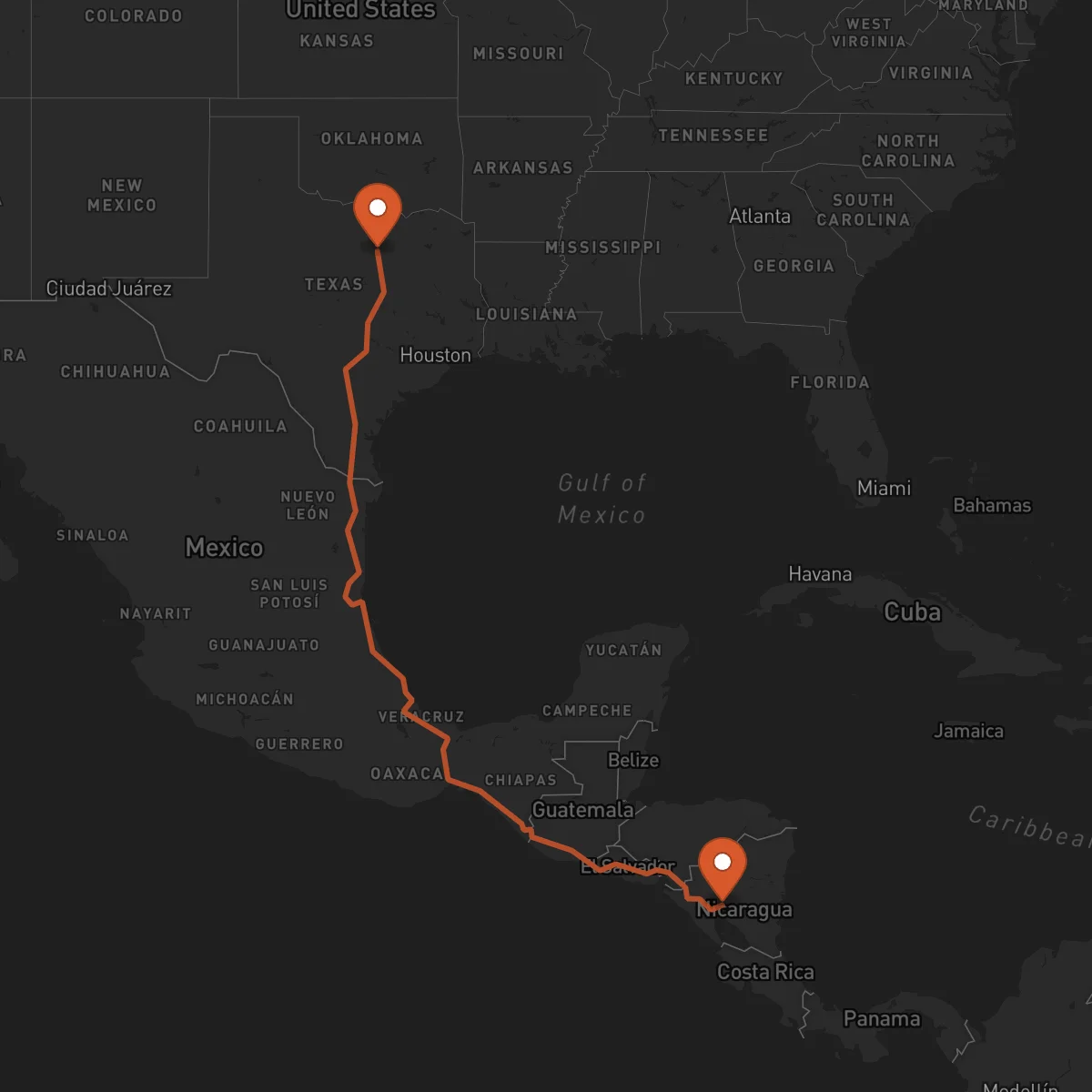
Fort Worth to Boaco
Boaco → Fort WorthFTL freight transportation service between Fort Worth and Boaco. Reliable logistics solutions for your business.
Route Description
Everything you need to know about the corridor Fort Worth - Boaco
The logistics corridor between Fort Worth, Texas, and Boaco, Nicaragua, represents a vital trade link connecting the industrial heartland of the United States with the agricultural and manufacturing regions of Central America. This cross-border route spans approximately 2,549 kilometers and serves as a strategic pathway for companies seeking to transport full truckload freight between North and Central America. The corridor facilitates the movement of goods through a combination of U.S. interstate highways, Mexican federal roads, and Central American transportation networks, enabling seamless cargo flow across international borders.
The economic significance of this corridor is substantial, connecting Fort Worth's diverse industrial base—including aerospace, automotive, and technology sectors—with Boaco's growing agricultural and light manufacturing industries. Companies operating along this route benefit from the complementary economic activities between the regions, with Texas serving as a major export hub and Nicaragua providing access to Central American markets. The corridor supports industries such as agricultural equipment, consumer goods, industrial machinery, and raw materials, making it essential for businesses engaged in cross-border trade between the United States and Nicaragua.
Key transportation infrastructure along this route includes major U.S. highways such as I-35 and I-10, which connect to Mexican Federal Highways 45 and 180. The corridor crosses through critical border points including Laredo/Nuevo Laredo and Brownsville/Matamoros, before continuing through Mexico and into Central America via established trade routes. Control Terrestre facilitates smooth operations on this corridor by leveraging our network of certified carriers who understand the complexities of cross-border documentation, customs procedures, and regulatory compliance required for transporting full truckload freight between these regions.
Services for this Route
Available services for the corridor Fort Worth - Boaco
 Origin
Fort Worth
Fort Worth, Texas, serves as a strategic logistics hub in the Dallas-Fort Worth metroplex, offering exceptional connectivity for freight transportation. The city's location provides direct access to major interstate highways including I-35W, I-30, and I-20, creating multiple routing options for cross-border shipments. Fort Worth's economic landscape encompasses diverse industries such as aerospace manufacturing (home to Lockheed Martin), automotive production, food processing, and technology services. The AllianceTexas development, one of the nation's premier inland ports, features extensive intermodal facilities that enhance the region's freight handling capabilities. With multiple rail terminals, warehousing facilities, and proximity to Dallas/Fort Worth International Airport, Fort Worth provides comprehensive logistics infrastructure that supports efficient full truckload operations to Central American destinations.
 Destination
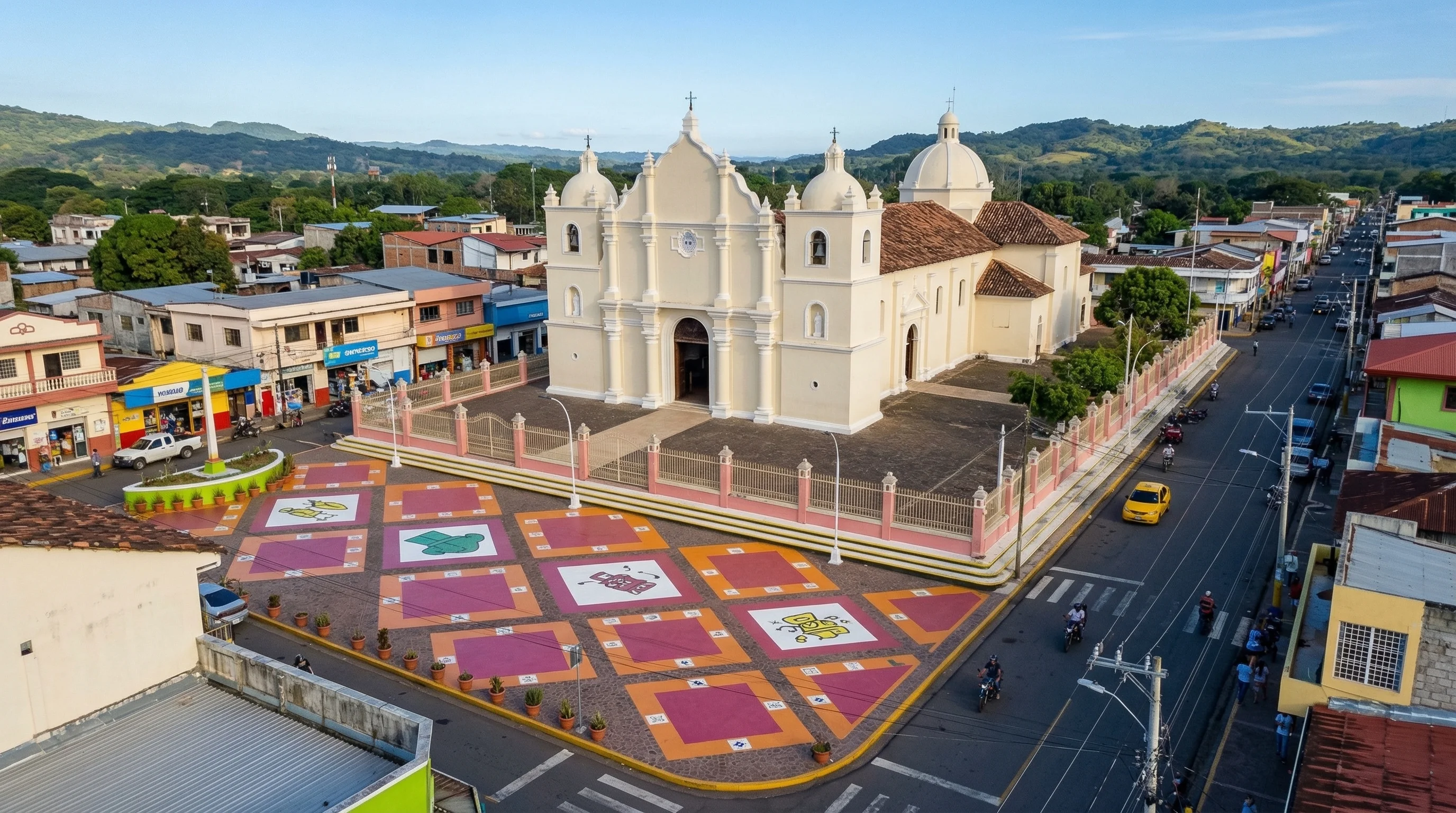
Boaco, Nicaragua, occupies a strategic position in the country's central highlands, serving as an important commercial center for the surrounding agricultural region. The city's location provides access to key transportation routes connecting the Pacific and Atlantic coasts of Nicaragua, facilitating distribution throughout the country and to neighboring Central American nations. Boaco's economy is primarily driven by agriculture, including coffee, tobacco, and dairy production, along with emerging light manufacturing and commercial activities. The region benefits from improving road infrastructure that connects to the Pan-American Highway and other national routes. While transportation infrastructure continues to develop, Boaco's central location makes it an accessible destination for cross-border freight shipments, supporting the distribution of imported goods and equipment essential for local industries and commerce.










