
Fargo to Zacatecoluca
Zacatecoluca → FargoFTL freight transportation service between Fargo and Zacatecoluca. Reliable logistics solutions for your business.
Route Description
Everything you need to know about the corridor Fargo - Zacatecoluca
The Fargo to Zacatecoluca corridor represents a vital logistics connection between the northern United States and Central America, spanning approximately 3,784 kilometers through key commercial hubs. This cross-border route traverses multiple countries and transportation networks, facilitating the movement of goods between North American industrial centers and the growing markets of El Salvador. The corridor connects the agricultural and manufacturing powerhouse of the Upper Midwest with the industrial and commercial zones of Central America's Pacific corridor.
This route serves critical industries including automotive parts, agricultural equipment, industrial machinery, and consumer goods. Major transportation infrastructure along this corridor includes the I-29 and I-35 corridors in the United States, connecting to Mexican Federal Highways 45 and 95, before continuing through Guatemala and Honduras to reach El Salvador. The primary border crossings at Laredo/Nuevo Laredo and El Salvador's customs facilities are equipped with modern infrastructure to handle cross-border freight movements efficiently.
Control Terrestre provides comprehensive FTL transportation solutions along this corridor, leveraging our strategic alliances with certified carriers who understand the complexities of multi-country logistics operations. Our expertise in customs documentation, cross-border procedures, and regulatory compliance ensures seamless freight movement from origin to destination. We coordinate every aspect of the journey, from pickup in Fargo to final delivery in Zacatecoluca, providing our clients with reliable, door-to-door transportation services that maintain cargo integrity throughout the entire transit process.
Services for this Route
Available services for the corridor Fargo - Zacatecoluca
 Origin
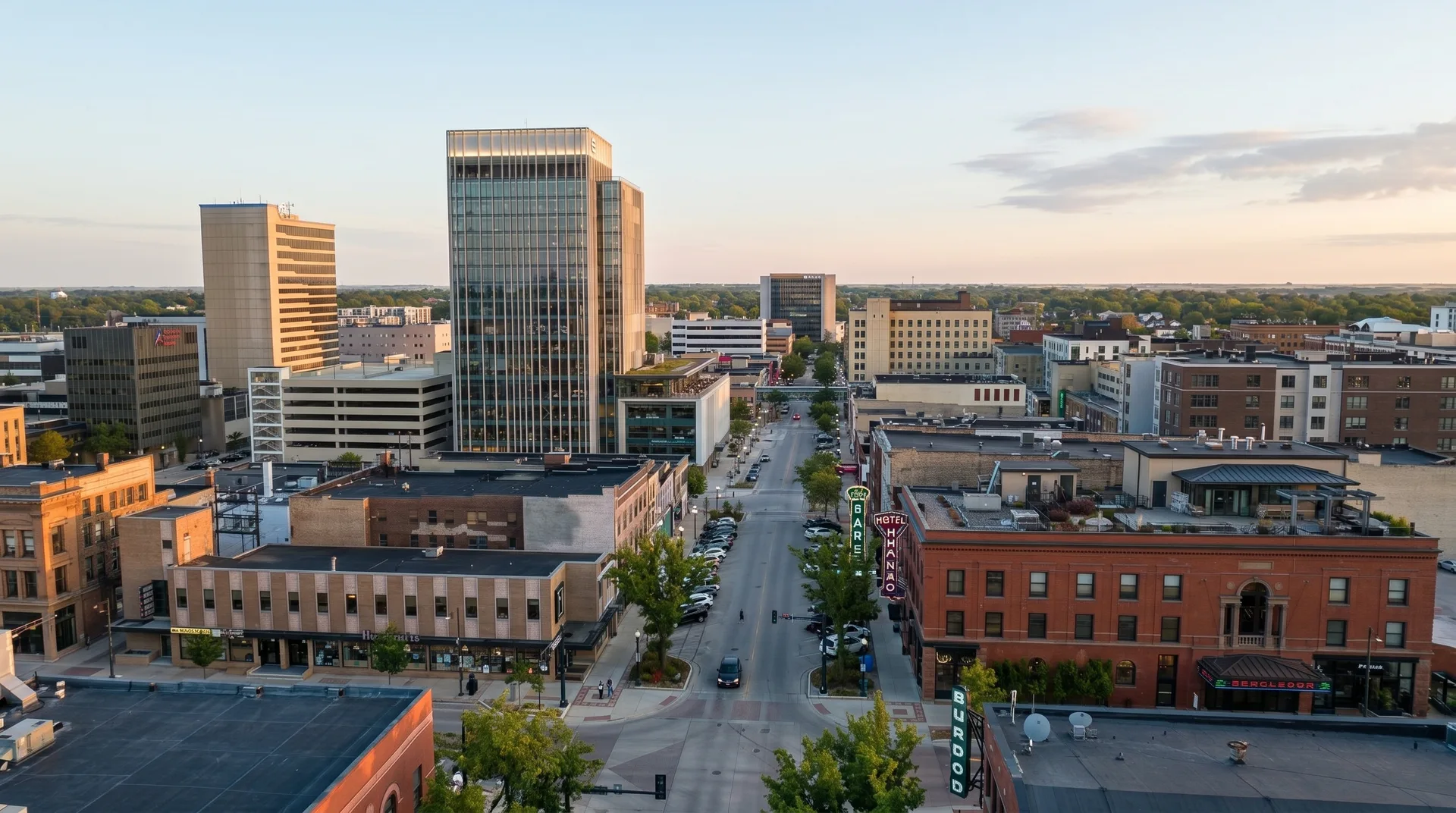
Fargo
Fargo, located in eastern North Dakota along the Red River, serves as a strategic logistics hub for the Upper Midwest region. The city's location provides excellent connectivity to major transportation networks, including Interstate 29 running north-south and Interstate 94 running east-west, creating vital links to national freight corridors. Fargo's economy is anchored by agriculture, manufacturing, technology, and healthcare sectors, with numerous distribution centers and warehouses supporting regional supply chains.
The city benefits from robust transportation infrastructure including Hector International Airport for air cargo, multiple rail freight services through BNSF Railway and Canadian Pacific, and an extensive network of highways facilitating truck freight movements. Fargo's proximity to the Canadian border and its position within the North American manufacturing belt make it an ideal origin point for cross-border and international freight shipments. The region's strong agricultural base also generates significant freight volume for processed foods, machinery, and related industrial products.
 Destination
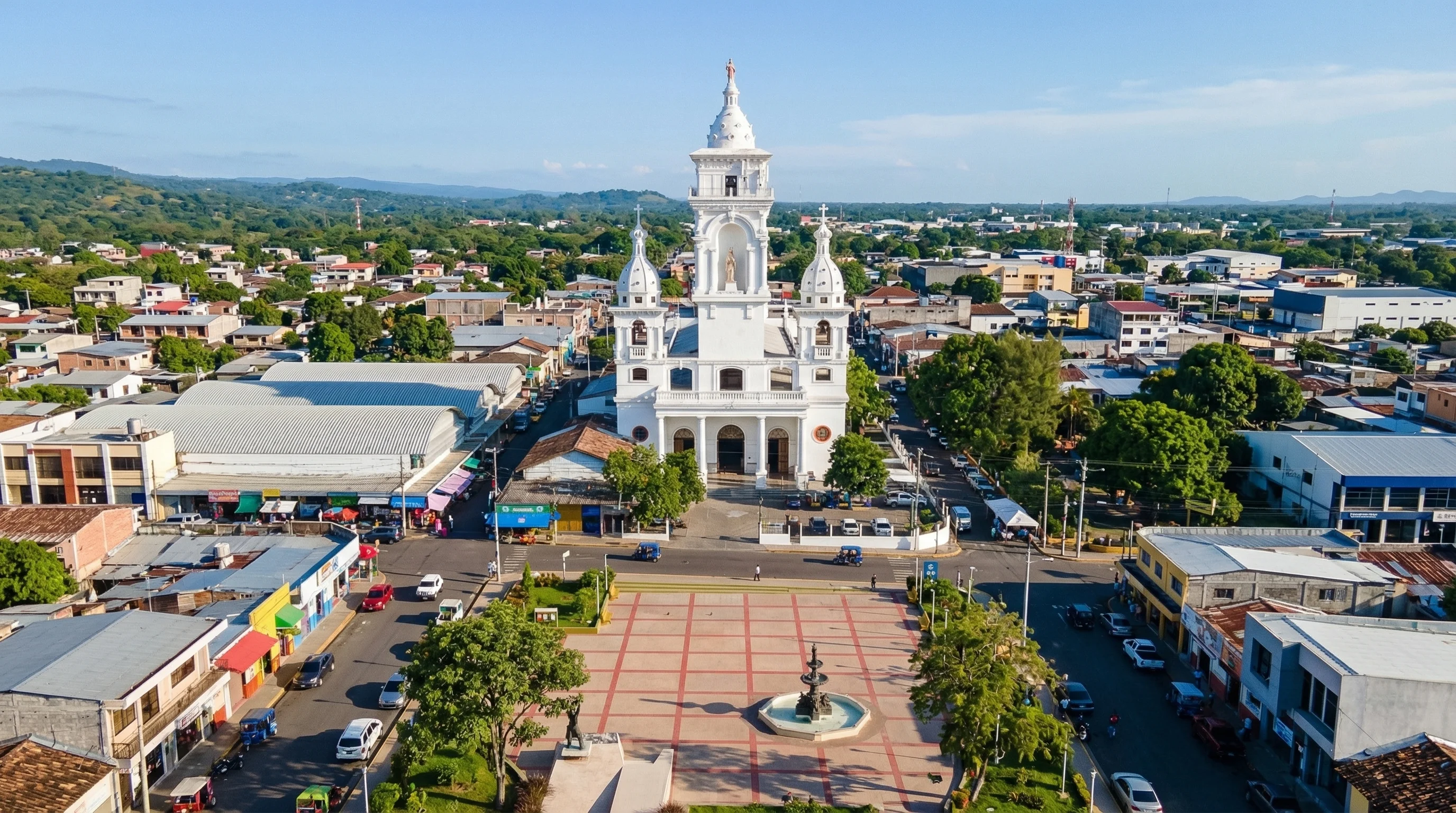
Zacatecoluca
Zacatecoluca, the capital of La Paz department in El Salvador, occupies a strategic position in the country's central region, approximately 40 kilometers southeast of San Salvador. Located along the Pan-American Highway (CA-2), the city serves as an important commercial and transportation node connecting El Salvador's capital with the eastern regions and international borders. The area's economy features a mix of agricultural activities, light manufacturing, and commercial services that support both local markets and export-oriented production.
The city's transportation infrastructure includes access to El Salvador's highway network, with the CA-2 providing direct connections to San Salvador's port facilities and international borders. Zacatecoluca's central location within El Salvador makes it an efficient distribution point for goods throughout the country, while its proximity to major industrial zones facilitates the movement of manufactured products and agricultural commodities. The region's developing logistics sector continues to expand its capacity to handle increasing freight volumes from both domestic and international sources.










