
Fargo to Yoro
Yoro → FargoFTL freight transportation service between Fargo and Yoro. Reliable logistics solutions for your business.
Route Description
Everything you need to know about the corridor Fargo - Yoro
The Fargo to Yoro corridor represents a vital cross-border logistics connection spanning approximately 3,641 kilometers from North Dakota to Honduras. This strategic route links the industrial heartland of the United States with Central America's growing manufacturing and agricultural sectors. The corridor traverses multiple countries and diverse geographic regions, requiring expert coordination of cross-border operations and regulatory compliance. Control Terrestre facilitates seamless transportation along this corridor through our extensive network of certified carriers and deep understanding of international trade requirements.
Services for this Route
Available services for the corridor Fargo - Yoro
 Origin
Fargo
Fargo, North Dakota serves as a strategic logistics hub in the Upper Midwest, benefiting from its proximity to major transportation networks and the Canadian border. The city's economy is anchored in agriculture, manufacturing, and technology sectors, with numerous distribution centers and warehouses supporting regional supply chains. Fargo's transportation infrastructure includes access to Interstate 29 and Interstate 94, connecting to major freight corridors across the northern United States. The city's location near the Red River Valley provides excellent road conditions year-round and strategic positioning for cross-border operations to Canada.
 Destination
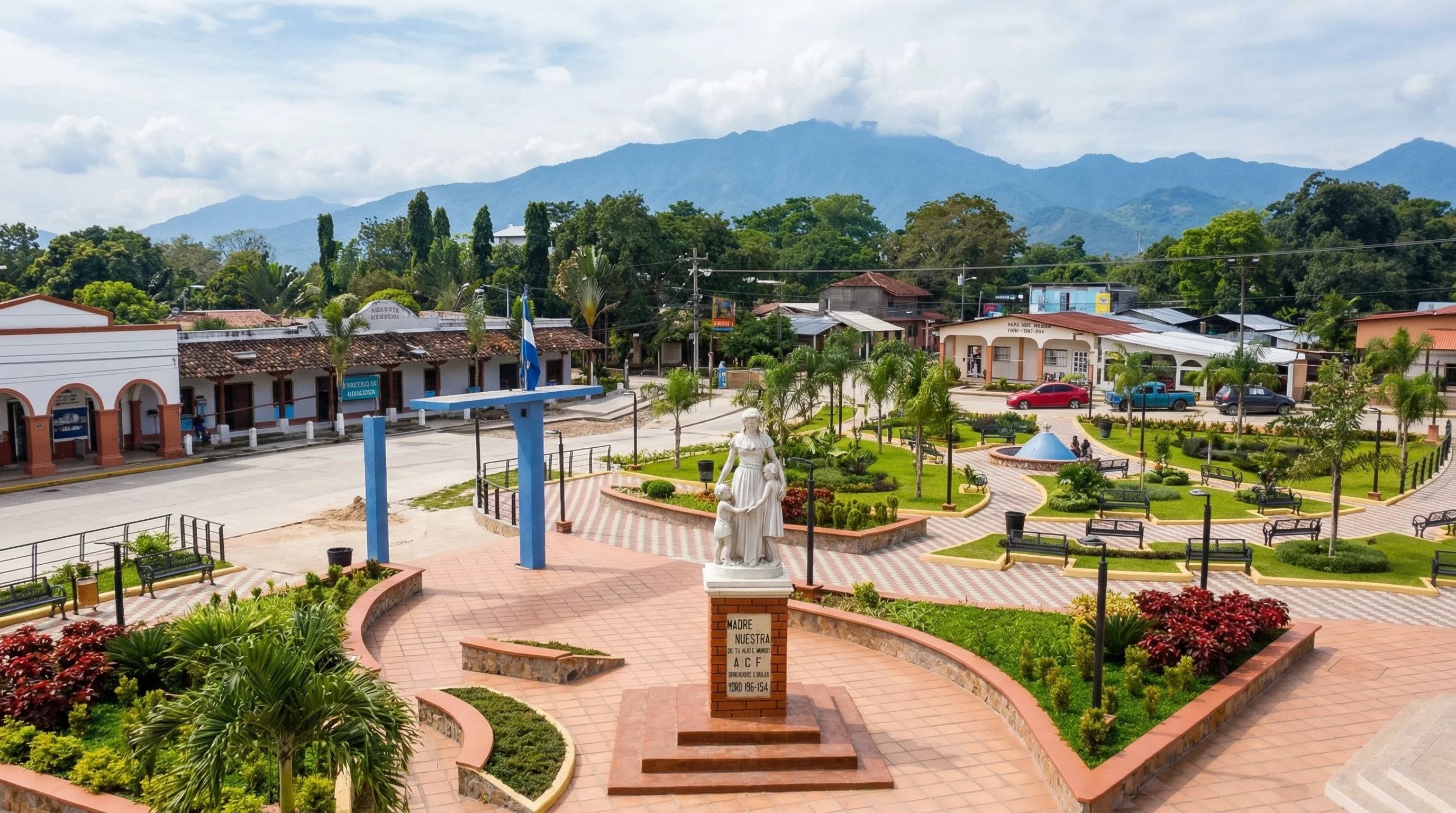
Yoro, Honduras occupies a strategic position in Central America's logistics network, serving as a gateway to the region's growing industrial base. The area has developed into an important manufacturing center, particularly for textile and automotive components, supported by numerous maquiladora operations. Yoro's transportation infrastructure includes access to the CA-13 highway and connections to Puerto Cortés, Honduras' primary Atlantic port. The region's proximity to major industrial zones and free trade areas makes it an attractive destination for cross-border freight operations, with established customs procedures facilitating efficient cargo movement.










