Estelí to Torreón
Torreón → EstelíFTL freight transportation service between Estelí and Torreón. Reliable logistics solutions for your business.
Route Description
Everything you need to know about the corridor Estelí - Torreón
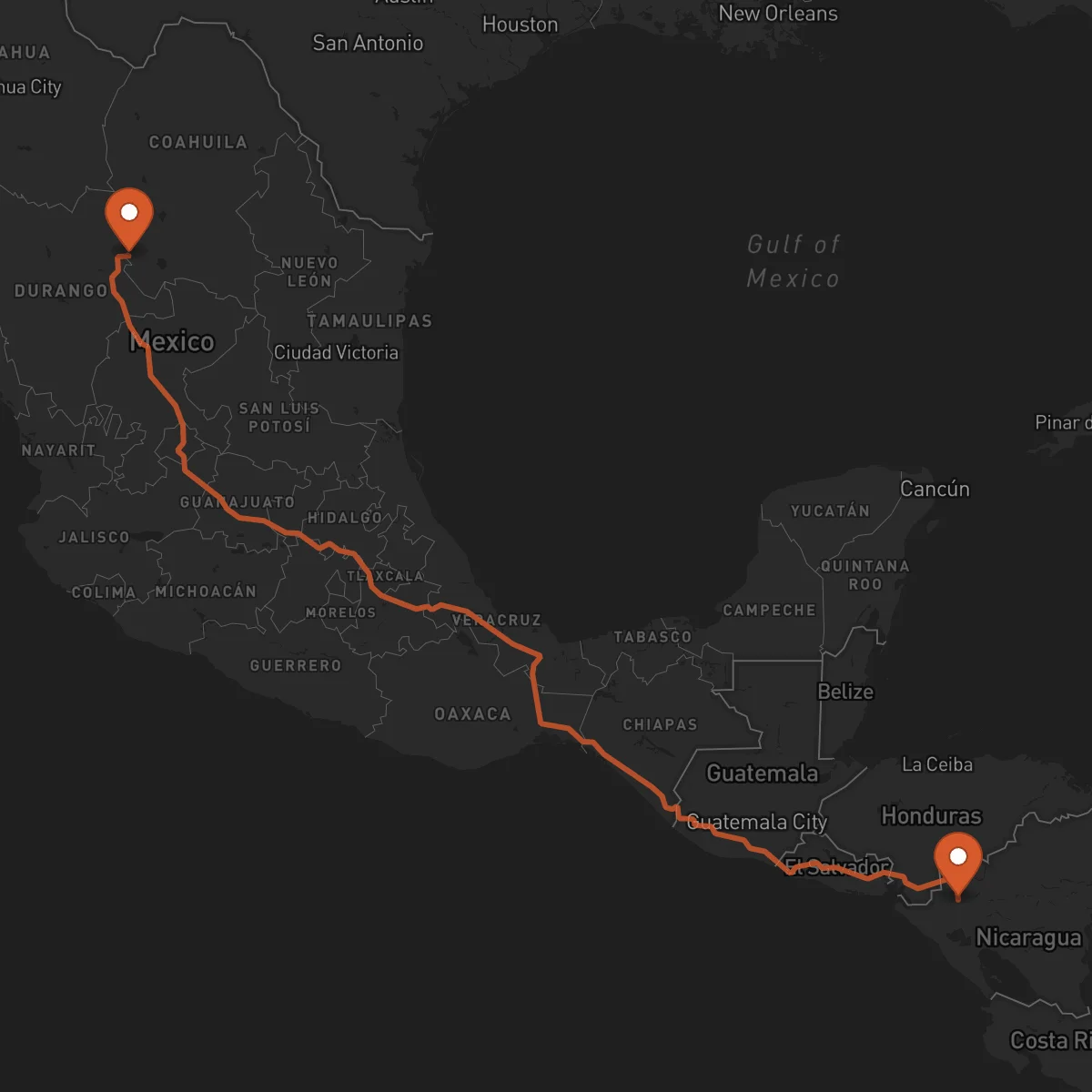
The Estelí to Torreón corridor represents a critical north-south logistics artery connecting Central America's manufacturing and agricultural heartland with Mexico's industrial northeast. Spanning approximately 2,258 km, this cross-border route is a vital conduit for trade, facilitating the efficient movement of goods from Nicaragua through Honduras and into Mexico, ultimately linking to the vast consumer and production markets of the United States and Canada. Its strategic importance lies in bridging the economic zones of the Central American Isthmus with the dynamic Comarca Lagunera region, offering a dedicated overland solution for time-sensitive, high-value freight.
Economically, this corridor supports the flow of diverse products, from Nicaragua's renowned tobacco and coffee to manufactured components and agricultural exports. The destination region around Torreón is a powerhouse for textiles, automotive parts, and agribusiness, creating a robust, bidirectional trade flow. The primary industries leveraging this route include agriculture (coffee, grains, produce), tobacco processing, light manufacturing, textile production, and automotive supply chains. These sectors require reliable, secure, and specialized transportation, which this dedicated full truckload corridor is designed to meet.
Key transportation infrastructure includes Nicaragua's CA-1 highway (part of the Pan-American network), traversing through Honduras via major routes like CA-5, before entering Mexico on federal highways 40 and 49. The principal international border crossing is at Tecún Umán (Guatemala)/Ciudad Hidalgo (Mexico), a bustling port of entry. Navigating customs and regulatory compliance here is paramount; our operations leverage key certifications such as C-TPAT, FAST, and BASC to streamline clearance processes, reduce dwell times, and ensure adherence to all U.S., Mexican, and Central American regulations for a seamless cross-border experience.
Control Terrestre facilitates operations on this corridor through our strategic alliance network of seasoned carriers, all equipped with the necessary certifications and equipment. We provide exclusive Full Truckload (FTL) solutions—including dry vans, reefers, flatbeds, and specialized tankers—ensuring your cargo travels as a single, secure shipment from door to door. Our focus is on providing a human-centric, transparent service where we manage the entire complex logistics chain, from origin pickup in Estelí to final delivery in Torreón, optimizing your supply chain with dedicated capacity and expert cross-border management.
Services for this Route
Available services for the corridor Estelí - Torreón
 Origin
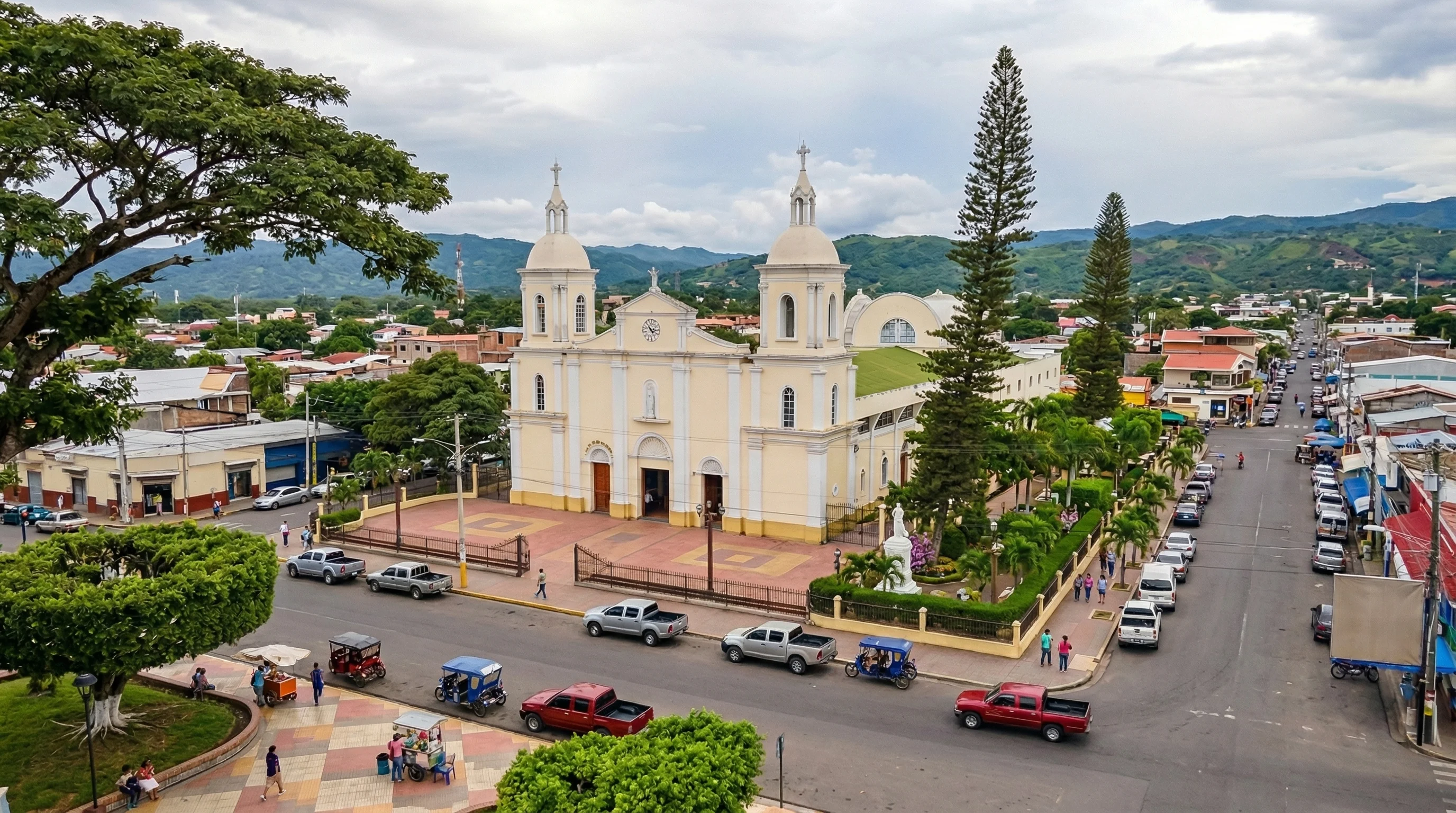
Estelí, Nicaragua, serves as a pivotal logistics hub in northern Nicaragua, strategically positioned along the CA-1Pan-American highway. This location provides direct access to the primary overland routes leading north through Honduras and toward the Mexican border. The city and its surrounding region are economic powerhouses, predominantly known for world-class tobacco cultivation and processing, but also significant for coffee production, light manufacturing, and agricultural exports. The available transportation infrastructure is robust for the region, featuring the major CA-1 highway corridor, which connects Estelí efficiently to the border crossing at Las Manos/Tecún Umán. This makes it an ideal origin point for consolidated full truckload shipments destined for Mexico and beyond, leveraging its established role as a key export gateway from Nicaragua.
 Destination
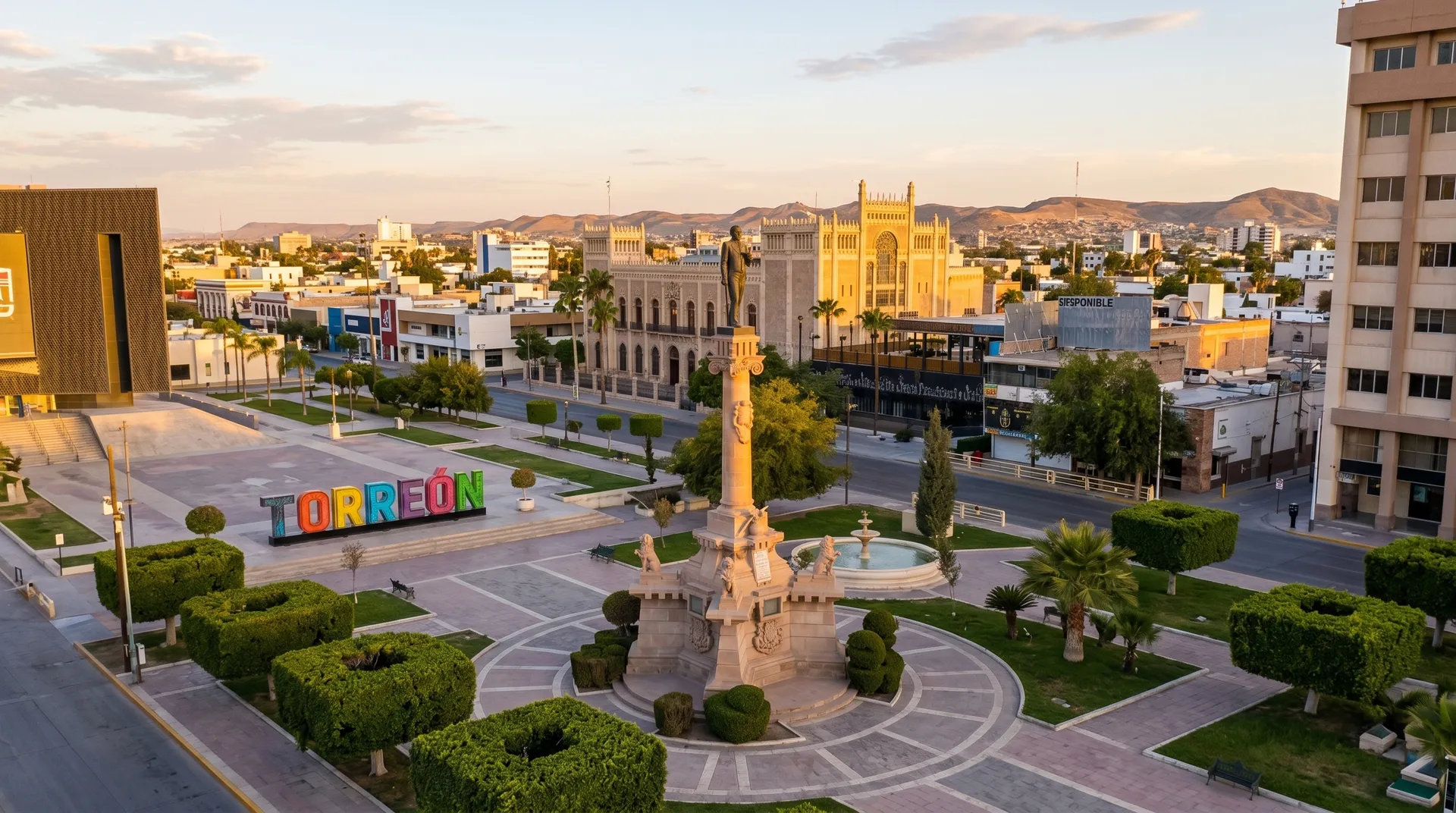
Torreón, Coahuila, is a linchpin of industrial and agricultural logistics in northeastern Mexico, centrally located within the Comarca Lagunera. Its strategic value is immense, offering exceptional connectivity to Mexico's interior, the U.S. border (via Ciudad Juárez/El Paso), and major port complexes on both the Gulf and Pacific coasts. The region is dominated by major industries including textile manufacturing, automotive parts production, and large-scale agribusiness (cotton, alfalfa, dairy, and livestock). Torreón's infrastructure is comprehensive, anchored by Federal Highways 40 and 49, which provide direct, high-capacity links to the border and the rest of Mexico. Additionally, the area benefits from significant rail connectivity and proximity to deep-water ports, making it a multimodal distribution center. This makes Torreón not just a destination, but a strategic transshipment point for goods moving throughout North America.










