
Estelí to Atlanta
Atlanta → EstelíFTL freight transportation service between Estelí and Atlanta. Reliable logistics solutions for your business.
Route Description
Everything you need to know about the corridor Estelí - Atlanta
The logistics corridor between Estelí, Nicaragua and Atlanta, Georgia represents a vital trade connection linking Central America with the southeastern United States. This 2,307-kilometer cross-border route facilitates the movement of diverse cargo types, from agricultural products and textiles to manufactured goods and industrial equipment. The corridor traverses multiple countries and requires seamless coordination across different transportation networks and customs jurisdictions.
The route follows a strategic path through Nicaragua's road network, connecting with major highways in Honduras and Guatemala before reaching Mexico's transportation infrastructure. From there, cargo moves through key border crossings into the United States, utilizing interstate highways to reach Atlanta's extensive logistics hub. This corridor benefits from Atlanta's status as a major transportation center, with access to Hartsfield-Jackson International Airport, extensive rail connections, and proximity to major seaports.
Control Terrestre provides specialized cross-border FTL services along this corridor, managing the complexities of international shipping between Nicaragua and the United States. Our experienced team coordinates all aspects of the journey, from initial pickup in Estelí to final delivery in Atlanta, ensuring compliance with customs regulations and maintaining cargo security throughout the entire transit. We offer door-to-door service with real-time tracking capabilities, allowing our clients to monitor their shipments as they move through each country along this important trade route.
Services for this Route
Available services for the corridor Estelí - Atlanta
 Origin
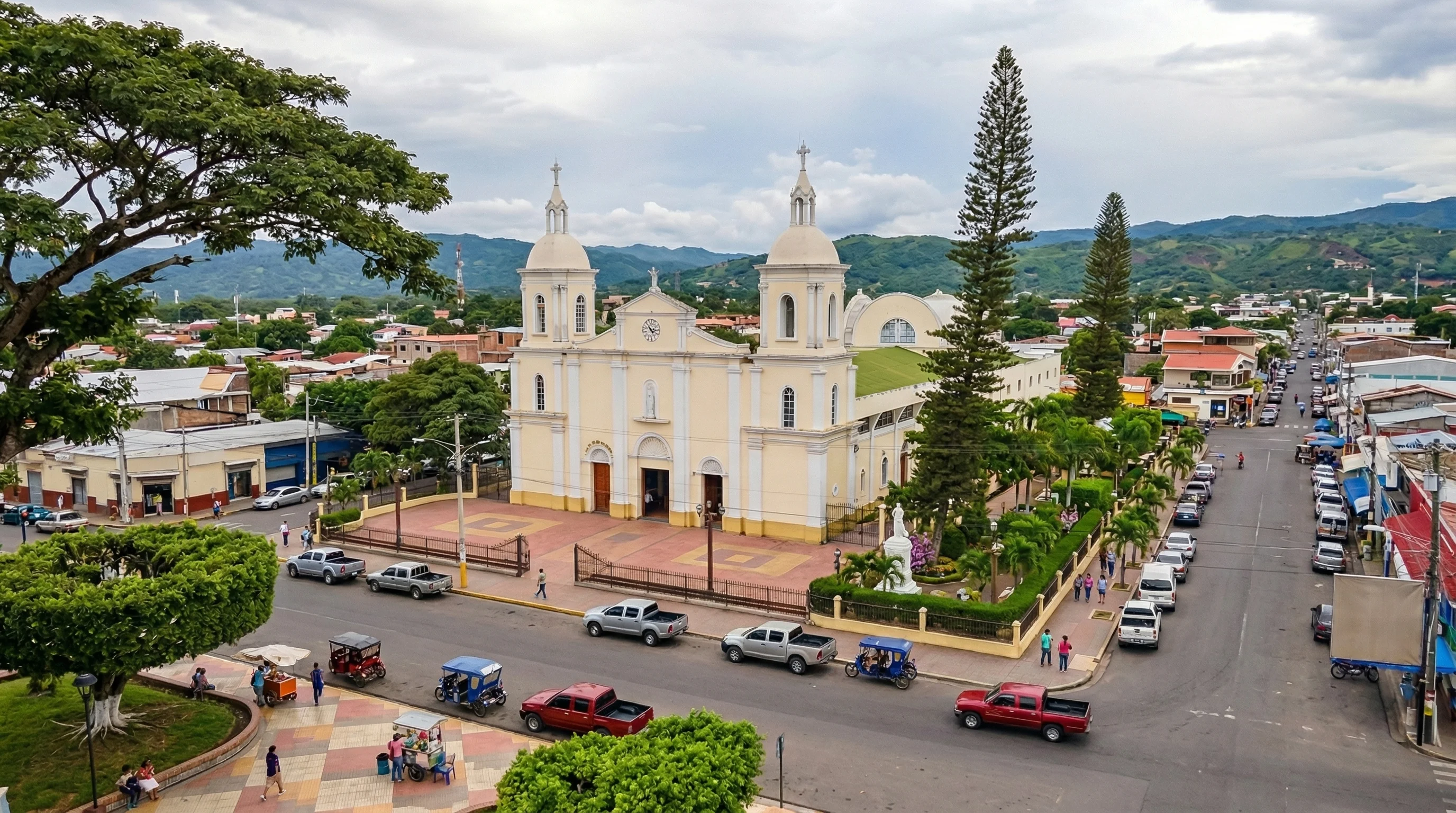
Estelí, located in northern Nicaragua, serves as a strategic logistics hub for the country's agricultural and industrial exports. The city benefits from its position along the Pan-American Highway, providing road connections to major ports on both the Pacific and Caribbean coasts. Estelí's economy centers on tobacco production, with numerous cigar manufacturing facilities that require reliable transportation to international markets. The region also produces coffee, vegetables, and dairy products that need efficient distribution channels to reach North American consumers.
The city's transportation infrastructure includes well-maintained highways connecting to Managua and other major Nicaraguan cities, as well as border crossings into Honduras. Estelí's industrial parks house manufacturing facilities that produce textiles, furniture, and processed foods, all of which rely on dependable freight transportation services. The local logistics ecosystem includes customs brokers, warehousing facilities, and transportation companies that specialize in cross-border operations, creating a comprehensive network for international trade.
 Destination
Atlanta
Atlanta, Georgia stands as one of the most important logistics hubs in the United States, offering unparalleled connectivity for international freight. The city's strategic location in the southeastern region provides access to major interstate highways, including I-20, I-75, and I-85, creating efficient distribution networks throughout the eastern United States. Atlanta's Hartsfield-Jackson International Airport ranks among the world's busiest cargo airports, while the city's extensive rail network connects to major Class I railroads for nationwide distribution.
The Atlanta metropolitan area hosts numerous Fortune 500 company headquarters and serves as a distribution center for various industries including automotive, pharmaceuticals, technology, and consumer goods. The region's concentration of warehousing and distribution facilities, combined with its proximity to major southeastern ports like Savannah and Charleston, makes it an ideal destination for international freight. Atlanta's robust logistics infrastructure includes specialized facilities for handling different cargo types, from temperature-controlled warehouses to facilities equipped for hazardous materials, supporting the diverse needs of companies importing goods from Central America.










