Estelí to Toluca
Toluca → EstelíFTL freight transportation service between Estelí and Toluca. Reliable logistics solutions for your business.
Route Description
Everything you need to know about the corridor Estelí - Toluca
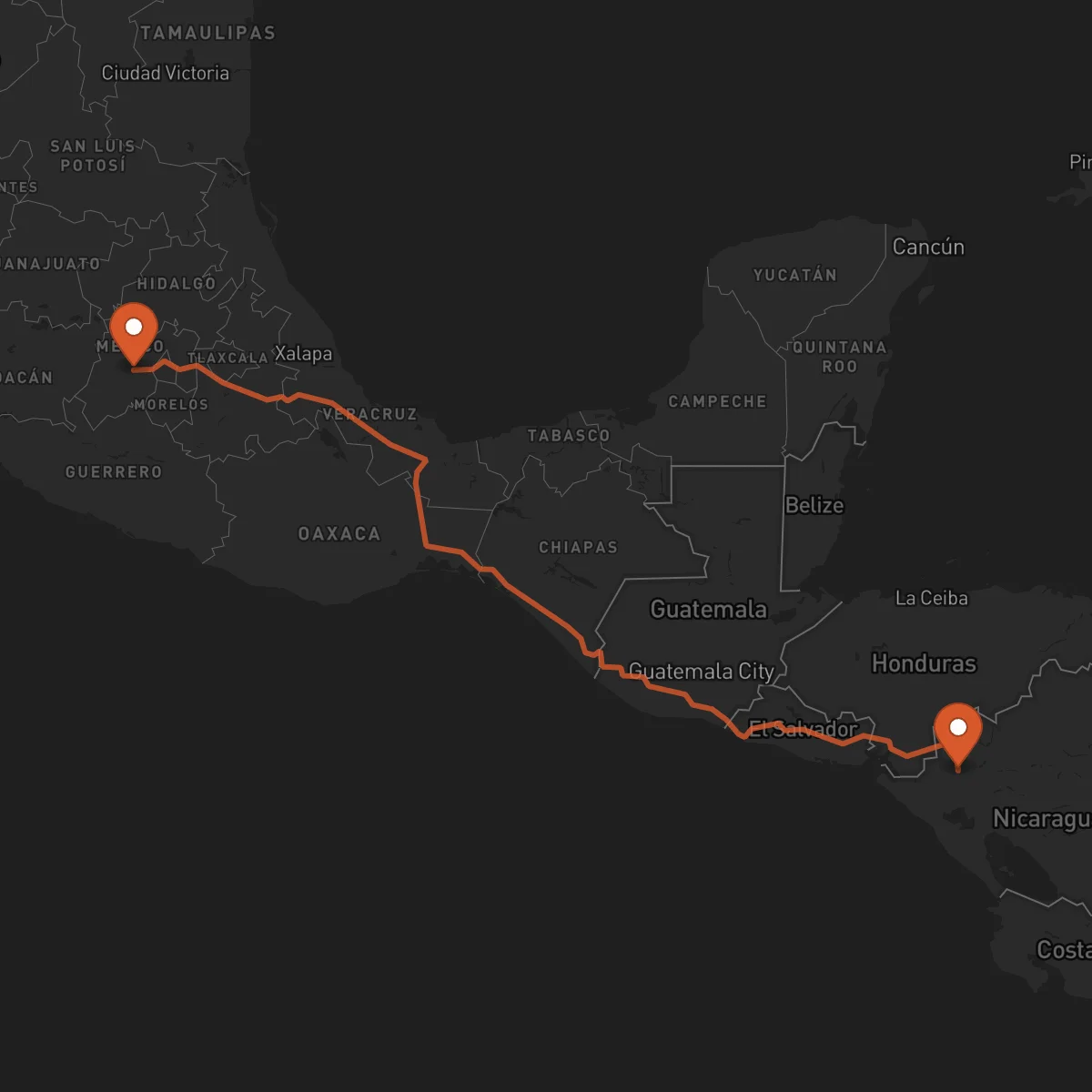
The Estelí-Toluca corridor is a vital north-south artery connecting Central America's agricultural heartland with one of Mexico's most dynamic industrial hubs. Spanning approximately 1,577 kilometers, this cross-border route is a strategic conduit for trade between Nicaragua and the Mexican market, facilitating the efficient movement of goods that fuel both regional economies. Its importance is underscored by the volume of agricultural exports and manufactured components that traverse this path daily.
Economically, the corridor links Nicaragua's rich agricultural sectors—renowned for coffee, tobacco, and livestock—with the Estado de México's concentrated manufacturing and automotive industries. Toluca's metropolitan area is a major production center for the automotive sector, food processing, and light manufacturing, creating a robust demand for inbound raw materials and outbound finished goods. This symbiosis drives consistent freight flow along the route.
The primary transportation infrastructure relies on a network of major highways. In Nicaragua, the route typically begins on the Pan-American Highway (RN-1) from Estelí southward. After crossing into Honduras and Guatemala, it connects to Mexico's federal highway network, primarily utilizing routes like the Mex-150 and Mex-15D for the final leg into the Toluca valley. Key border crossings involve the Guatemala-Mexica border at Ciudad Hidalgo/Tecún Umán, a critical customs point with established processes for commercial freight.
Navigating this multi-national corridor requires expertise in diverse customs regulations and documentation. Control Terrestre facilitates seamless operations by leveraging our strategic alliance of certified providers. Our partners hold essential credentials like C-TPAT, FAST, and BASC, which streamline processes at the southern Mexican border. We manage the full cross-border complexity, providing dedicated FTL solutions that ensure your cargo moves efficiently from Estelí's fields to Toluca's factories, handling all logistical coordination for a door-to-door experience.
Services for this Route
Available services for the corridor Estelí - Toluca
 Origin
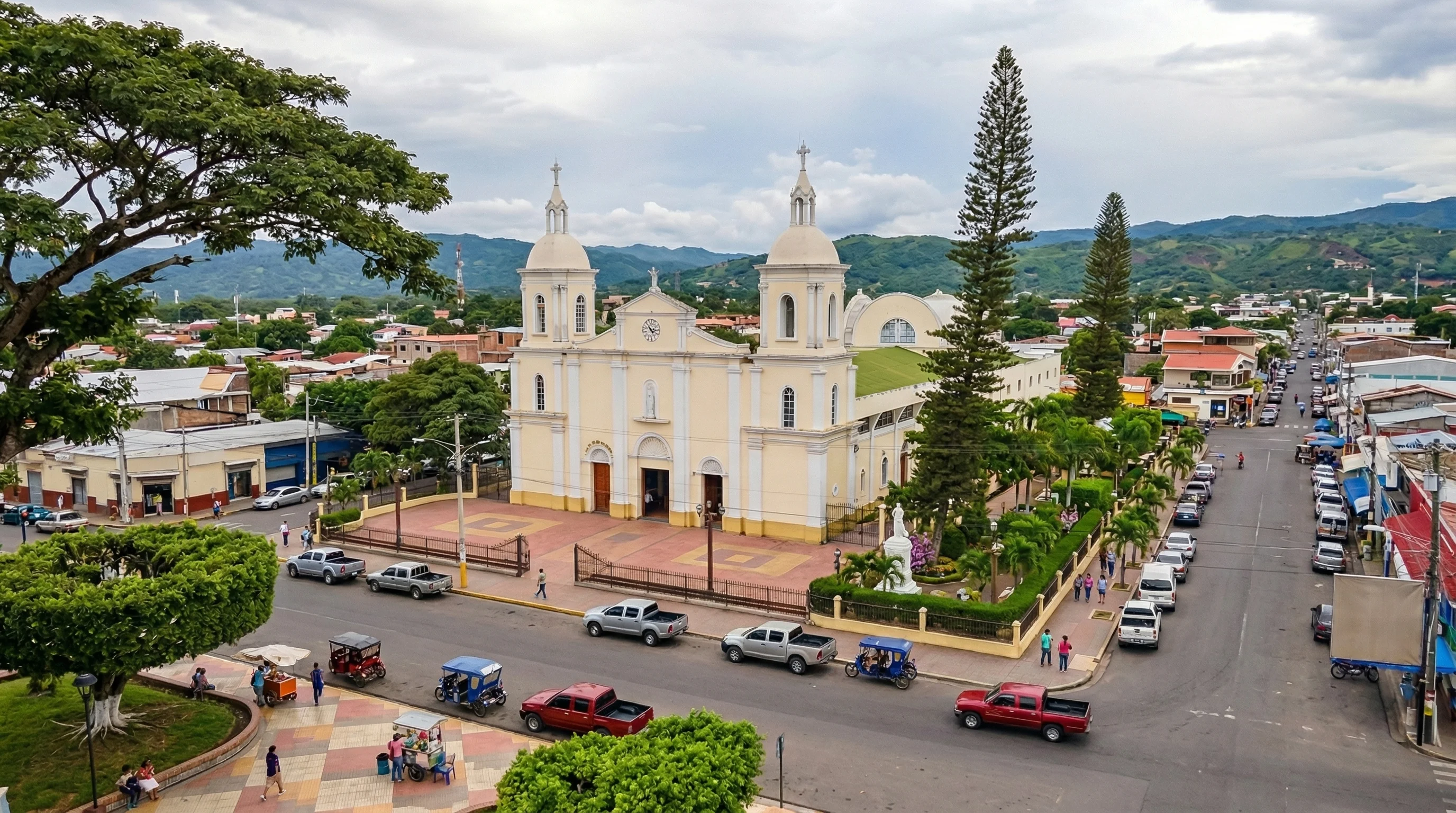
Estelí, Nicaragua, serves as a crucial agricultural and commercial gateway in northern Nicaragua. Its strategic location places it directly on the Pan-American Highway (RN-1), providing a direct overland link to the Honduran border and the broader Central American corridor. This positioning makes it a natural collection and dispatch point for goods heading north.
The region's economy is deeply rooted in high-value agriculture, particularly famous for its premium cigar tobacco and coffee. Additionally, livestock and dairy production are significant. These sectors generate consistent demand for outbound full truckload freight, requiring reliable transport for raw materials and finished products. The available infrastructure is centered on the main highway network, with well-established logistics services supporting agricultural exports.
 Destination
Toluca
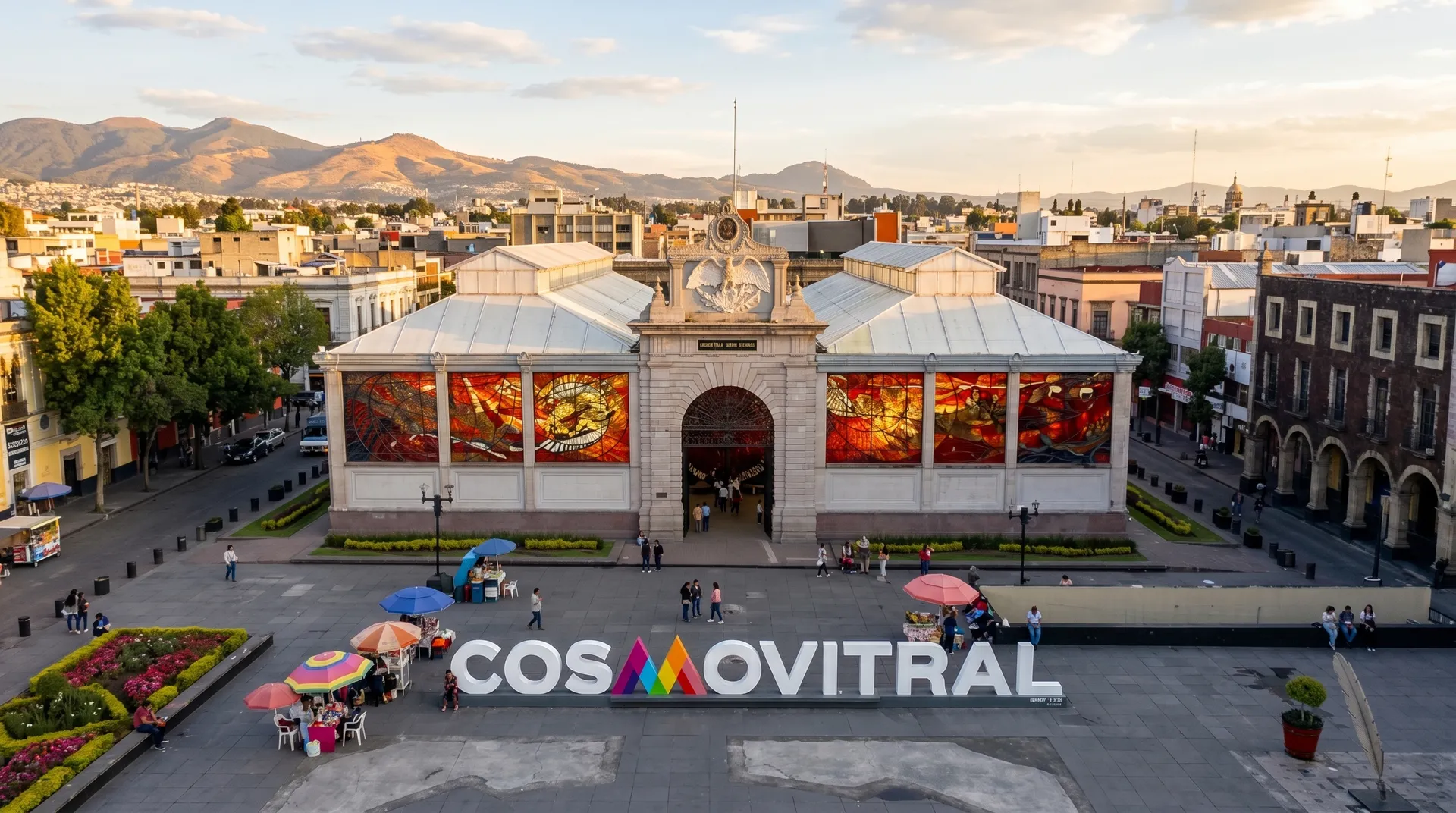
Toluca, the capital of the Estado de México, is a powerhouse industrial and logistics center strategically located just west of Mexico City. Its location within the crowded but economically dominant Mexico City metropolitan area provides unparalleled access to a massive consumer market and a dense network of suppliers and manufacturers. The city is a critical node in Mexico's automotive corridor.
Key industries include automotive manufacturing (with plants for major brands), food and beverage processing, metalworking, and a wide array of light manufacturing. This industrial diversity creates immense demand for inbound raw materials and components, as well as outbound finished goods distribution. The transportation infrastructure is highly developed, featuring direct access to major federal highways (Mex-15D, Mex-150), proximity to Mexico City's International Airport (AICM), and connections to key seaports like Veracruz and Lázaro Cárdenas via efficient overland links.










