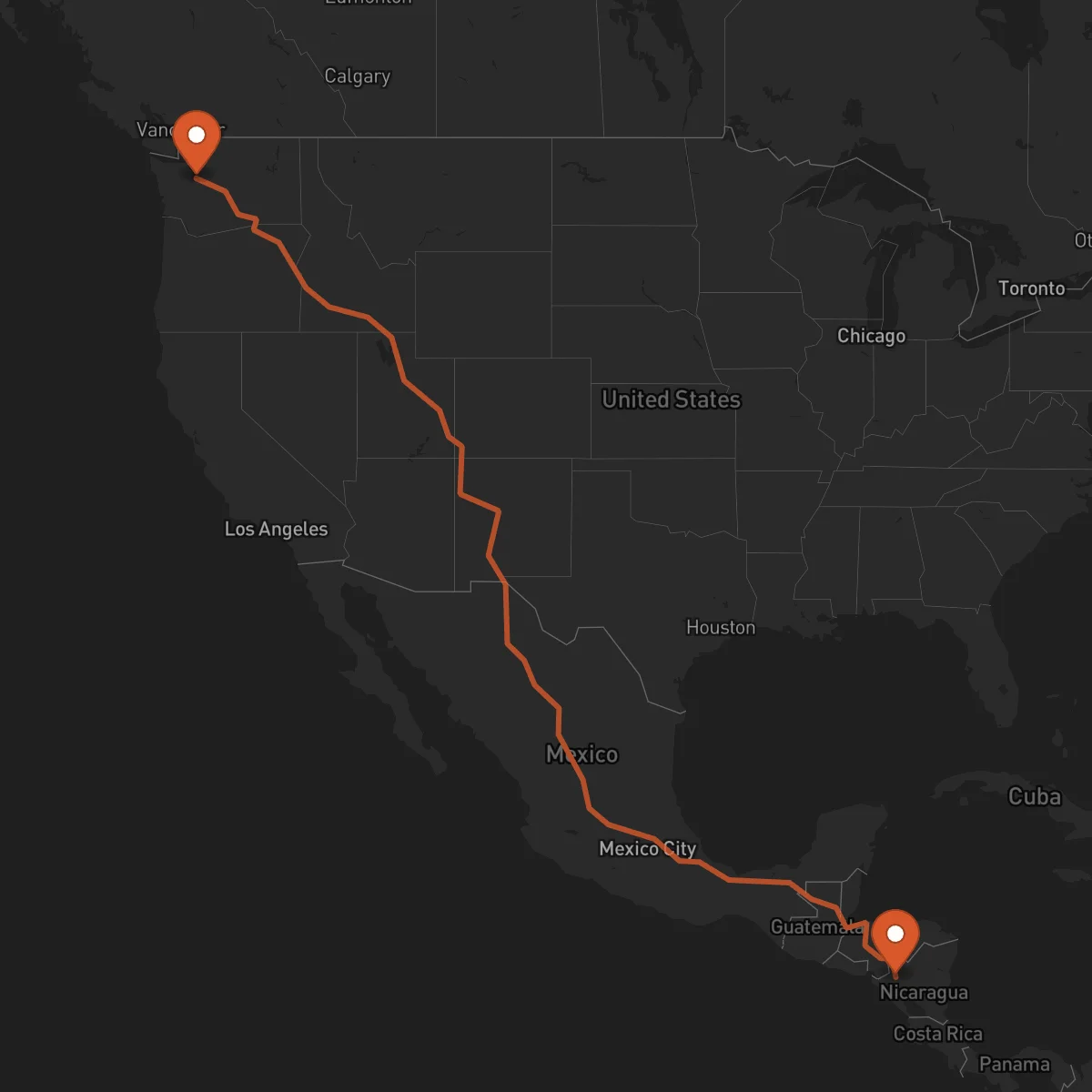
Estelí to Seattle
Seattle → EstelíFTL freight transportation service between Estelí and Seattle. Reliable logistics solutions for your business.
Route Description
Everything you need to know about the corridor Estelí - Seattle
The Estelí to Seattle corridor represents a critical trans-American logistics link, bridging Central America with the Pacific Northwest. This 5,079 km cross-border route is strategically vital for moving goods efficiently between Nicaragua's agricultural heartland and one of the United States' major tech and trade hubs. The corridor's importance is underscored by its role in facilitating export flows from Central America and import flows into the region, supporting diverse supply chains.
Economically, the route connects the productive regions of Nicaragua, known for agriculture and light manufacturing, with Washington state's dynamic economy centered on technology, aerospace, and maritime trade. Key industries utilizing this corridor include agricultural exporters (coffee, tobacco, produce), manufacturers of textiles and goods, and distributors serving the Pacific Northwest market. The consistent demand for full truckload (FTL) capacity makes this a high-utilization lane for dedicated and spot freight.
Transportation infrastructure relies primarily on the Pan-American Highway (CA-1) from Estelí through Nicaragua and Honduras, transitioning to Mexico's federal highway network (notably Fed-150 and Fed-57) to reach key northern border crossings. In the United States, Interstate 5 (I-5) provides the direct, efficient arterial route from the border to Seattle. Major border crossings, such as those at Laredo/El Paso, are managed with protocols like C-TPAT and FAST, which our providers are certified in, to streamline customs clearance.
Control Terrestre facilitates seamless operations on this corridor through our strategic alliance network of certified carriers. We specialize in exclusive FTL solutions—dedicated, expedited, and specialized cargo—leveraging our partners' C-TPAT, FAST, and BASC certifications to navigate cross-border complexities. Our focus is on providing a human-centric, reliable service that manages the full door-to-door journey, ensuring your full truckload cargo moves efficiently from origin to destination without the delays of consolidated freight.
Services for this Route
Available services for the corridor Estelí - Seattle
 Origin
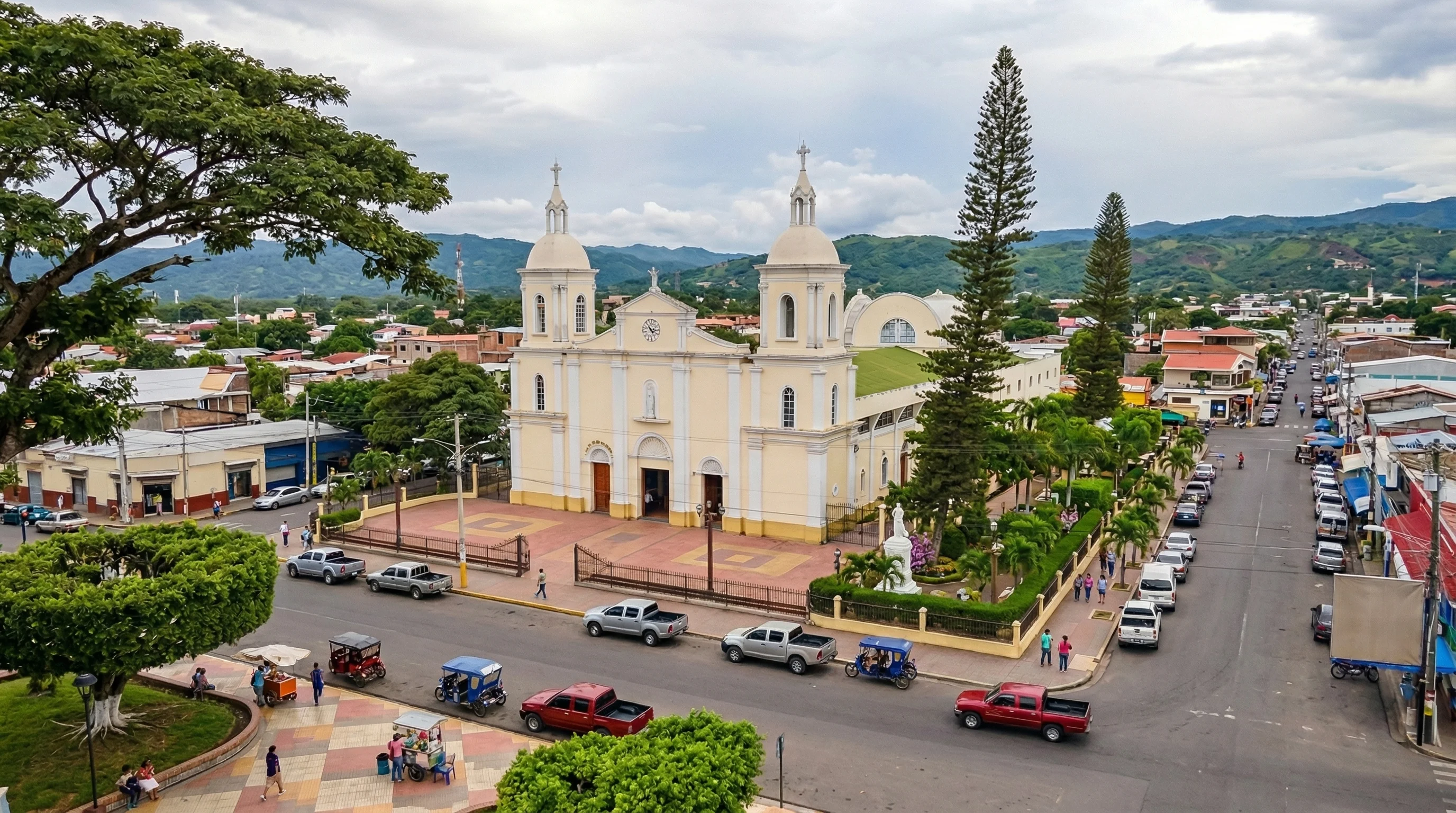
Estelí is a strategically significant logistics hub in northern Nicaragua, positioned along the Pan-American Highway (CA-1). This location provides direct overland access south to Managua and north to the Honduran border, making it a primary departure point for northbound freight bound for the United States. The city and surrounding Estelí department are economic powerhouses, renowned as the heart of Nicaragua's premium tobacco and coffee industries, with significant production of vegetables, flowers, and dairy. A robust manufacturing sector, particularly in textiles and leather goods, also contributes to outbound freight volumes.
The available transportation infrastructure is tailored for heavy cargo movement. Estelí is connected by well-maintained primary highways to major border crossings with Honduras (like El Espino), which then feed into Mexico's extensive federal highway system. The city hosts logistics services including trucking terminals, warehousing, and cross-border preparation facilities. This infrastructure supports the consistent flow of full truckloads, from dry van produce to specialized cargo, making it a pivotal origin for controlled, non-consolidated freight heading north.
 Destination
Seattle
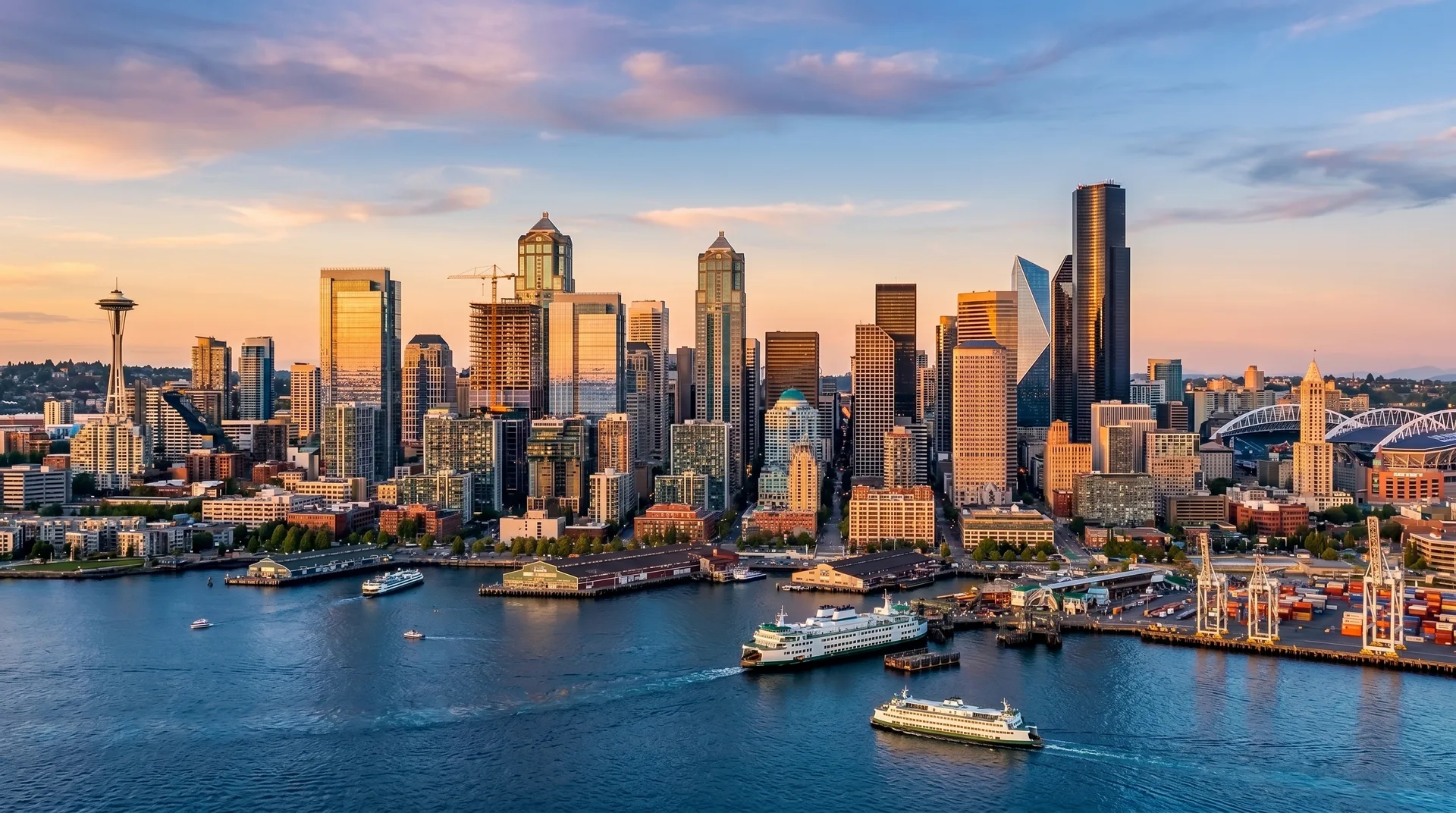
Seattle serves as a premier logistics gateway and economic engine for the Pacific Northwest and beyond. Its strategic location on the Puget Sound provides unparalleled access to international maritime trade via the Port of Seattle, one of the nation's top container ports. The city is the anchor of the I-5 corridor, the primary north-south interstate on the West Coast, offering direct, high-capacity road access from the Canadian border to California. This infrastructure seamlessly integrates with major rail lines and Seattle-Tacoma International Airport, creating a true multimodal hub.
Seattle's economy is driven by globally dominant industries: technology (home to major software and e-commerce giants), aerospace (Boeing's historical and operational base), maritime trade, and advanced manufacturing. These sectors generate high demand for inbound FTL freight of components, finished goods, and specialized materials. The city's extensive warehouse and distribution network, coupled with its infrastructure, supports efficient last-mile and regional distribution, making it a critical final destination for cross-border freight from Central America and Mexico.










