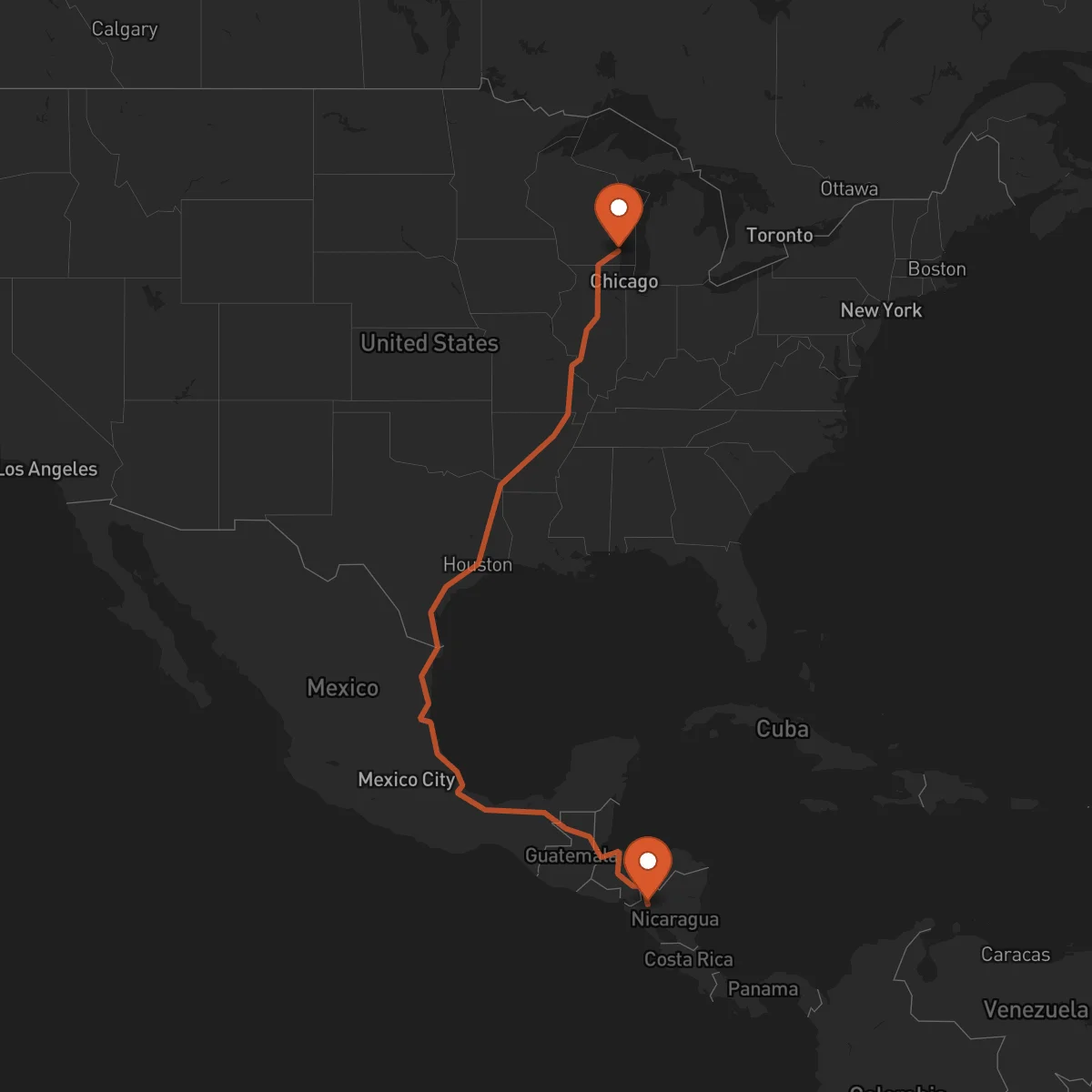
Estelí to Milwaukee
Milwaukee → EstelíFTL freight transportation service between Estelí and Milwaukee. Reliable logistics solutions for your business.
Route Description
Everything you need to know about the corridor Estelí - Milwaukee
The Estelí to Milwaukee corridor is a critical cross-border artery connecting Central America's agricultural heartland with the industrial Midwest of the United States. Spanning approximately 3,334 km, this route facilitates the essential flow of goods that support bilateral trade, from Nicaraguan exports to U.S. manufactured products. Its strategic importance lies in bridging key production zones with major consumption and distribution hubs, enabling supply chain resilience for businesses on both ends. Economically, the corridor serves vibrant sectors: Nicaragua's robust agricultural output—coffee, beef, and tobacco—and growing light manufacturing, alongside the U.S. Midwest's powerhouse industries, including automotive parts, industrial machinery, and processed foods. This synergy creates steady demand for reliable, high-capacity freight solutions.
Transportation infrastructure relies on a sequence of major highways. The journey begins on Nicaragua's CA-1, transitioning through the Las Manos border crossing into Honduras, then via CA-5 and CA-2 through Guatemala to the Mexican border. In Mexico, the route typically utilizes the Pan-American Highway (Mexican Federal Highway 190/200) before reaching a primary U.S. port of entry, such as Laredo, Texas. From there, the interstate system—primarily I-35 north to I-94 east—delivers freight efficiently to Milwaukee. Key border crossings like Laredo demand meticulous customs compliance, where programs such as C-TPAT and FAST are invaluable for expedited clearance.
Control Terrestre facilitates seamless operations on this corridor through our alliance of certified providers. Our expertise in cross-border freight ensures all documentation, customs brokerage, and regulatory requirements are managed proficiently. We leverage our providers' certifications—including C-TPAT, FAST, and BASC—to minimize delays at the U.S.-Mexico border. With a full suite of FTL equipment, from 53' dry vans to specialized tankers and flatbeds, we accommodate diverse cargo, including refrigerated goods and oversized loads. Our door-to-door service provides a single point of contact, offering the human touch and transparent communication that modern supply chains require, all while adhering to our commitment to sustainable transport practices.
Services for this Route
Available services for the corridor Estelí - Milwaukee
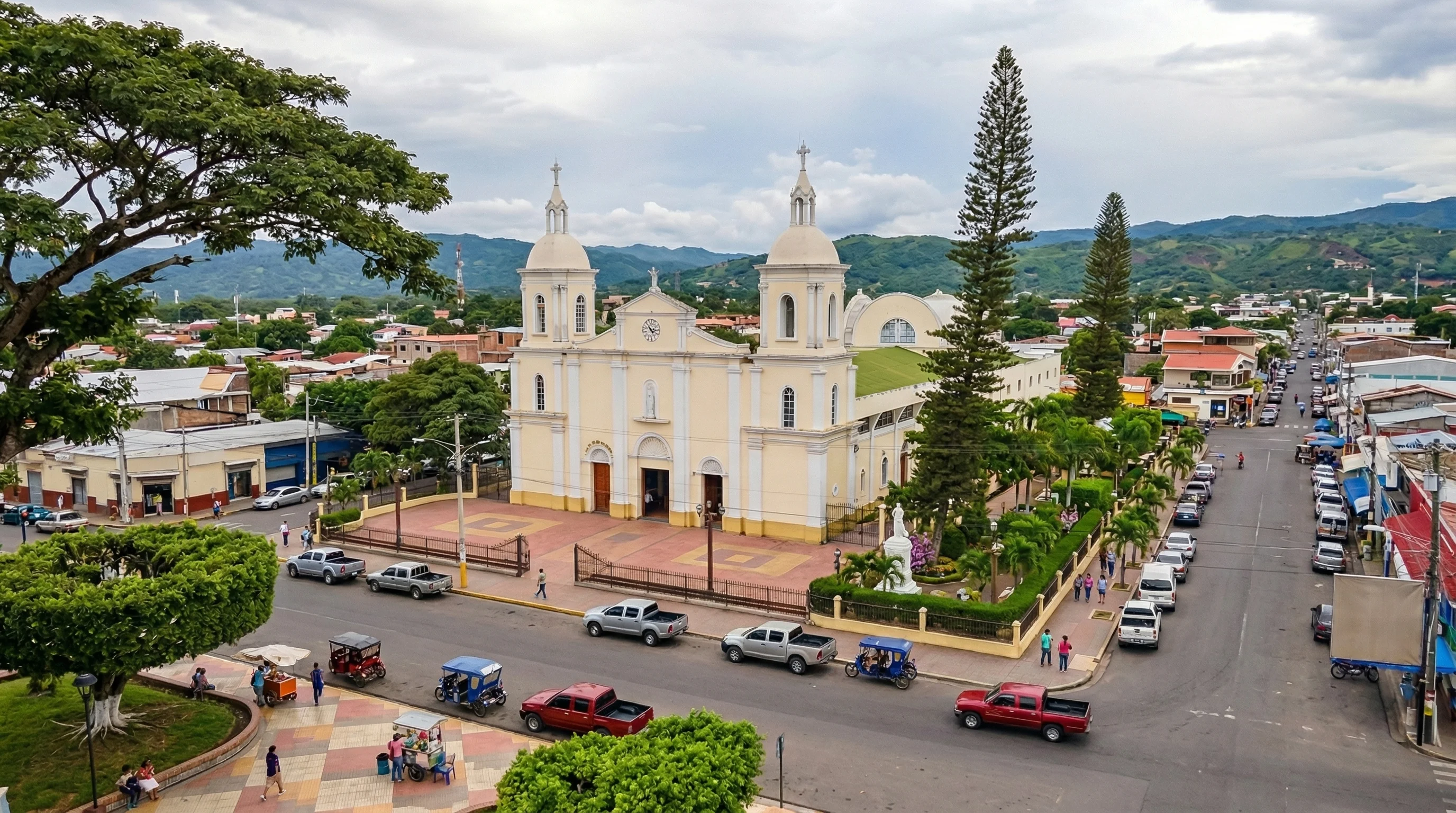 Origin
Estelí, Nicaragua, is a pivotal logistics origin in Central America, strategically positioned along the Pan-American Highway (CA-1). This location provides direct overland access north through Honduras and Guatemala toward Mexico and the United States, making it a natural departure point for cross-border freight. The region's economy is deeply rooted in high-value agriculture, particularly world-renowned coffee and tobacco, supported by a growing textile and manufacturing sector. This industrial base generates consistent demand for outbound FTL services to move raw materials and finished goods. Infrastructure is centered on the CA-1 highway corridor, with well-established connections to border crossings like Las Manos (Honduras). While rail service is limited, the road network is the primary artery for overland freight, positioning Estelí as a key node for exporting Nicaraguan products to North American markets.
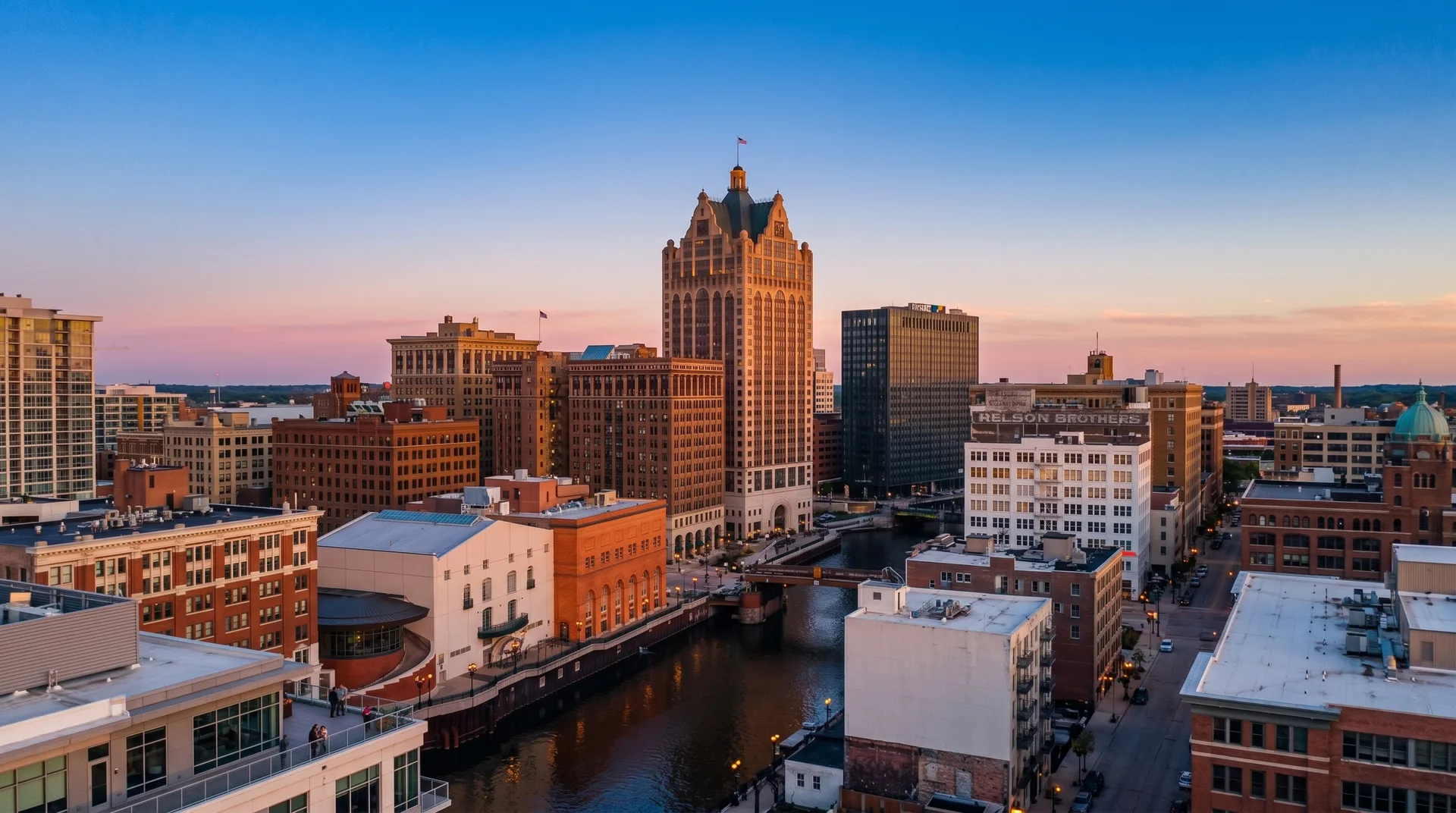 Destination
Milwaukee
Milwaukee, Wisconsin, is a major logistical and industrial hub in the U.S. Midwest, offering exceptional connectivity for inbound freight. Strategically located on the western shore of Lake Michigan, it benefits from the Port of Milwaukee for Great Lakes shipping, extensive Class I rail networks (Union Pacific, Canadian Pacific), and a dense web of interstate highways, including I-94, I-41, and I-43. These provide rapid door-to-door access to a vast regional market. Milwaukee's economy is diverse and robust, dominated by advanced manufacturing (machinery, automotive components, brewing), food processing, and agriculture (dairy, grains). This industrial diversity drives significant demand for inbound FTL services to supply raw materials, components, and distribute finished products. The city's infrastructure is designed for high-volume freight, making it an efficient and strategic destination for cross-border shipments from Central America.










