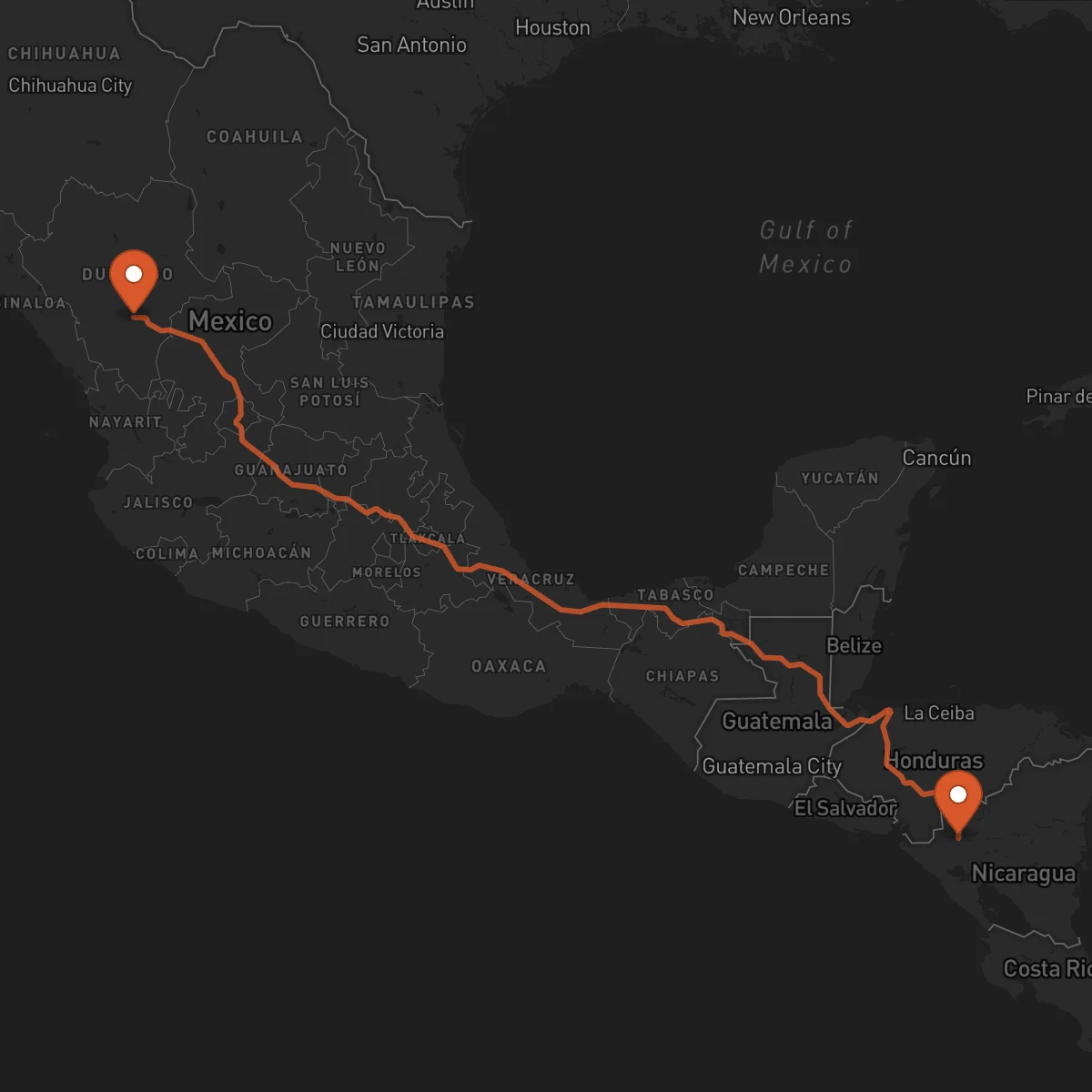
Estelí to Durango
Durango → EstelíFTL freight transportation service between Estelí and Durango. Reliable logistics solutions for your business.
Route Description
Everything you need to know about the corridor Estelí - Durango
The Estelí-Durango corridor represents a critical north-south logistics artery connecting Nicaragua's agricultural heartland with Mexico's industrial Bajío region. This 2,276 km cross-border route facilitates the essential flow of goods between Central America and one of Mexico's most dynamic manufacturing and mining hubs. The corridor is strategically vital for regional supply chains, enabling efficient movement of raw materials inbound to Mexico and finished goods southward.
Economically, the corridor serves a region characterized by robust agricultural output in Nicaragua and high-value industrial production in Durango. Key industries leveraging this route include agriculture (coffee, tobacco, sugarcane), manufacturing (textiles, food processing), and mining equipment supply chains. The seamless integration of these sectors depends on reliable, long-haul transportation that can navigate complex cross-border regulations.
Infrastructure primarily follows the Pan-American Highway (CA-1) through Nicaragua, transitioning to Mexican Federal Highways 45 and 40. The principal border crossing at Nogales, Sonora/Puerto Altamira, Chiapas (or alternatives like Ciudad Hidalgo/ Tecún Umán) is a critical chokepoint requiring expert customs brokerage and compliance. Our role at Control Terrestre is to orchestrate this complex journey. Through our alliance of certified providers—holding C-TPAT, FAST, and BASC credentials—we manage all cross-border documentation, customs clearance, and transit coordination. We assign dedicated, experienced drivers and appropriate equipment, from dry vans to specialized tankers, ensuring your full truckload (FTL) moves securely from door to door without consolidation delays.
Services for this Route
Available services for the corridor Estelí - Durango
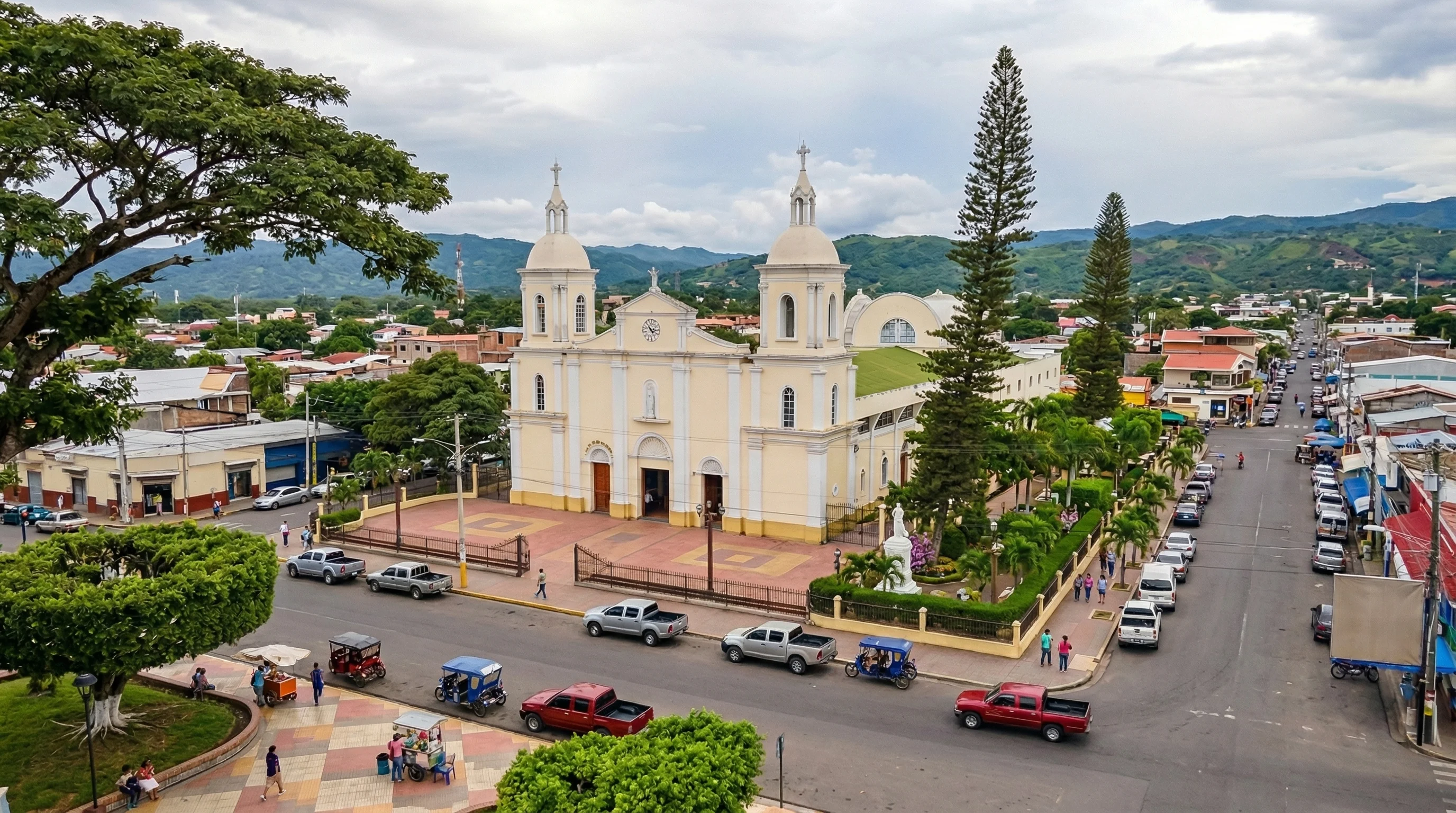 Origin
Estelí, Nicaragua, is a pivotal logistics origin in the country's northern corridor, strategically positioned along the Pan-American Highway (CA-1). This location provides direct access to the Honduran border to the north and the capital, Managua, to the south, making it a natural aggregation point for regional freight. The city and surrounding Estelí Department are economic powerhouses driven by world-renowned tobacco and coffee cultivation, alongside significant sugarcane production and light manufacturing. This generates consistent outbound freight demand for raw agricultural commodities and manufactured goods. The local infrastructure is supported by the NIC-1 and NIC-22 highways, which connect rural production zones to the main CA-1 artery. While port access requires overland transit to Corinto or Puerto Cortés (Honduras), Estelí's strength lies in its well-established overland network for collecting and dispatching full truckloads destined for international corridors like the one to Durango.
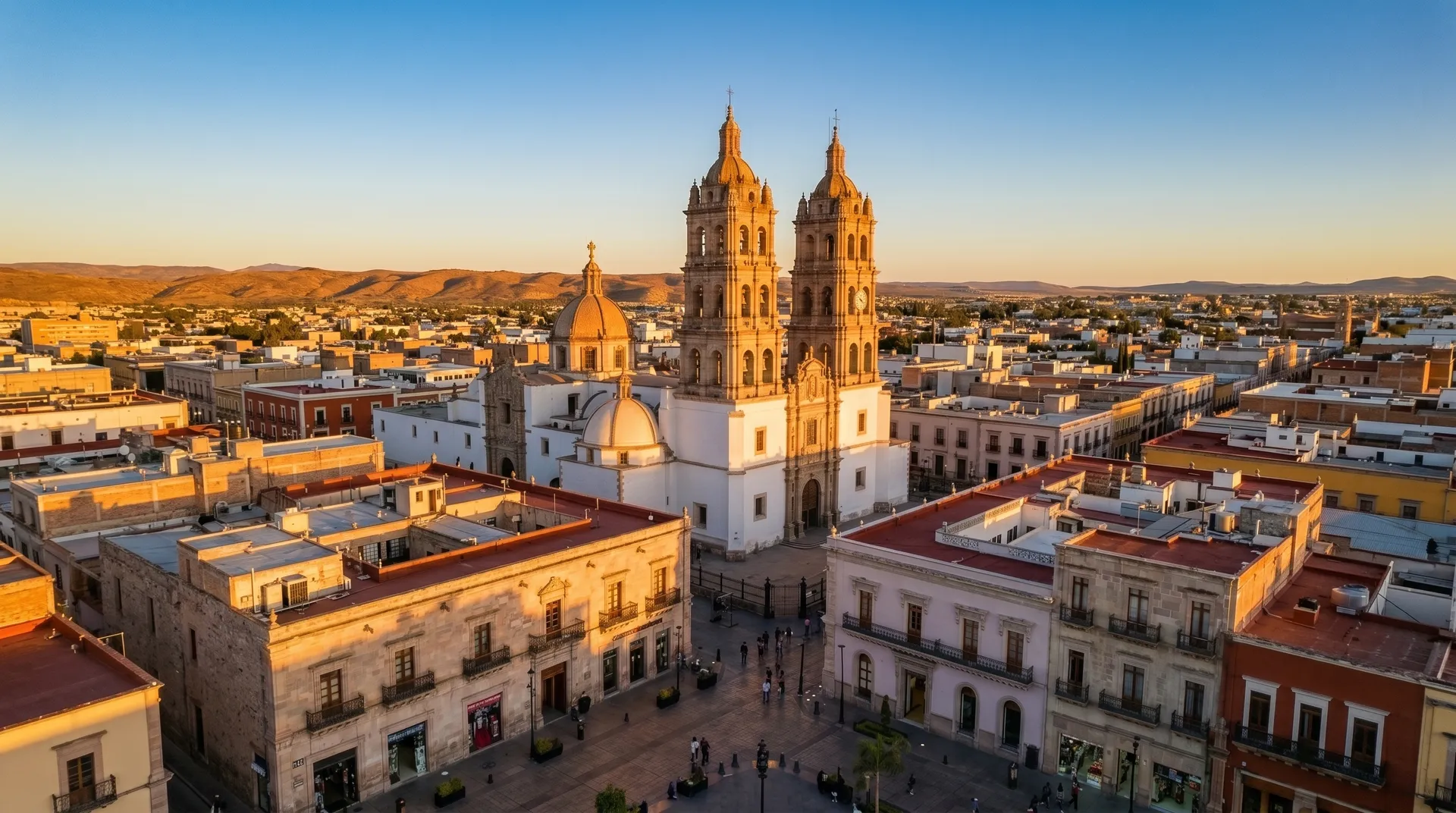 Destination
Durango, México, is a major industrial and logistics hub in the Bajío region, offering exceptional strategic value as a corridor endpoint. Its central location in northern Mexico provides efficient connectivity to the U.S. border (via Fed. 45 to Ciudad Juárez/El Paso) and to other key industrial centers like Monterrey and Mexico City. The state's economy is diversified and robust, anchored by world-leading mining (gold, silver, iron ore), a significant automotive manufacturing sector (with plants from major OEMs), and strong agricultural production (apples, corn, livestock). This industrial base creates high demand for inbound raw materials and outbound finished goods. Durango is served by a comprehensive highway network, primarily Federal Highway 40 (connecting to Mazatlán port and Torreón) and Federal Highway 45 (the main north-south spine to the U.S. border). This infrastructure supports efficient last-mile distribution and cross-border consolidation, making it an ideal terminus for FTL shipments from Central America seeking access to these critical supply chains.










