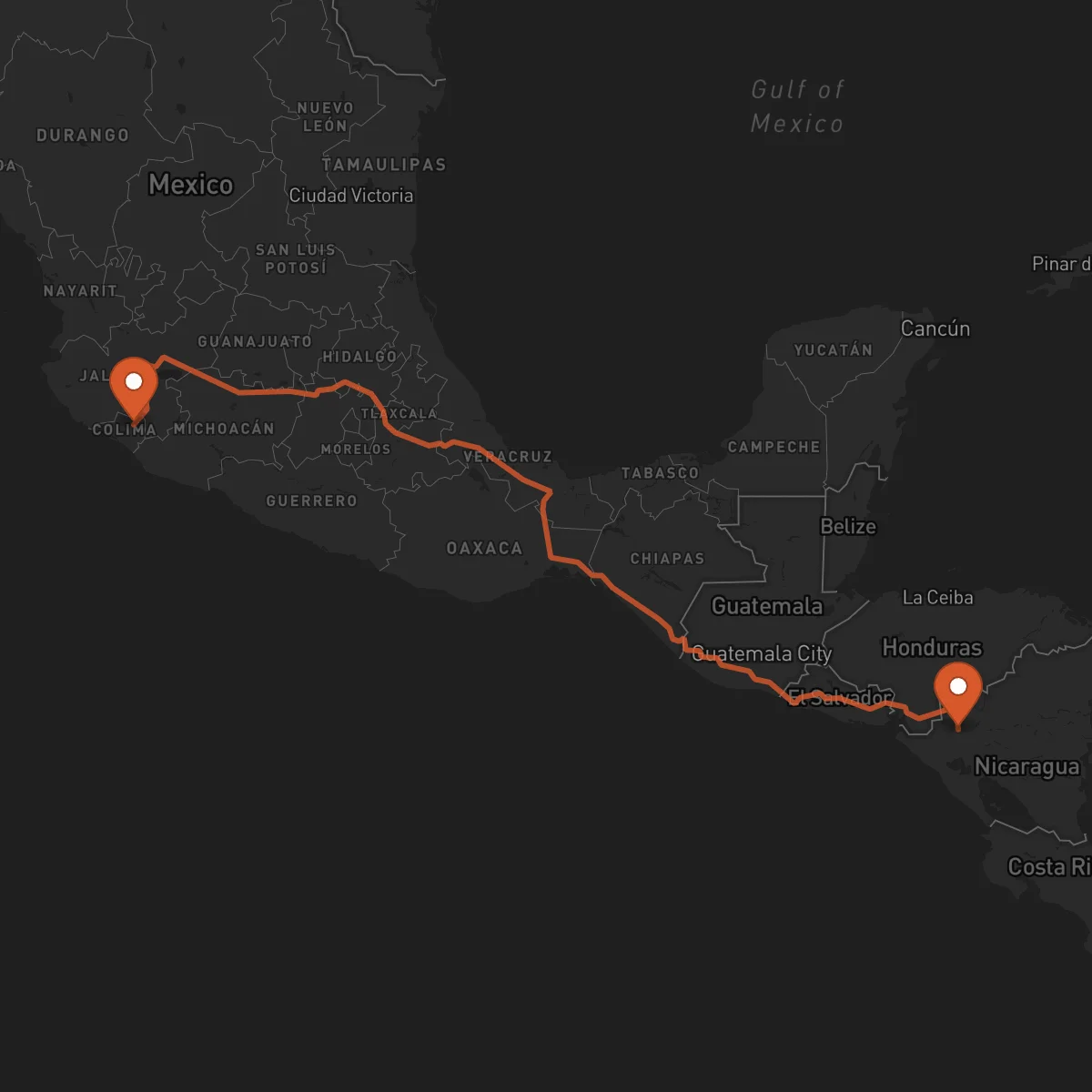
Estelí to Colima
Colima → EstelíFTL freight transportation service between Estelí and Colima. Reliable logistics solutions for your business.
Route Description
Everything you need to know about the corridor Estelí - Colima
The Estelí, Nicaragua to Colima, Mexico corridor is a vital north-south artery connecting Central America's agricultural heartland with Mexico's strategic Pacific gateway. This approximately 1,975 km route facilitates the essential flow of goods that underpins regional trade, serving as a critical link for manufacturers and exporters seeking efficient access between these economic zones. The corridor's strategic importance is amplified by its role in integrating Nicaragua's production capabilities with the extensive manufacturing and distribution networks of western and central Mexico.
Economically, the corridor serves dynamic regions. Nicaragua's northern departments, including Estelí, are powerhouses for agricultural exports like premium coffee, tobacco, and beef. Colima state, with its capital city, is a major industrial and agricultural hub, known for food processing, chemical products, and as a logistics nexus due to the nearby Port of Manzanillo—one of Latin America's busiest ports. Key industries utilizing this corridor include agricultural producers and processors, textile and apparel manufacturers, and companies handling chemicals and other bulk goods requiring specialized transport.
Infrastructure relies on a combination of major highways. In Nicaragua, the primary route is the Northern Highway (CA-1), which connects Estelí to the southern border. In Mexico, the journey predominantly uses Federal Highway 200 along the Pacific coast, transitioning to Federal Highway 15 for inland connections towards Colima city and the port region. The principal border crossing for this corridor is at Paso Canoas/Peñas Blancas, a bustling port of entry that requires meticulous customs documentation and compliance with both Nicaraguan and Mexican regulations.
Control Terrestre facilitates seamless operations on this corridor through our alliance of certified providers. Our network partners hold essential credentials like C-TPAT, FAST, and BASC, which expedite clearance at the border and ensure security compliance. We manage the full complexity of cross-border freight, coordinating customs brokerage support and offering dedicated, full truckload (FTL) solutions—from dry vans to specialized equipment for refrigerated or oversized cargo—ensuring a single point of contact for your end-to-end logistics needs from origin to destination.
Services for this Route
Available services for the corridor Estelí - Colima
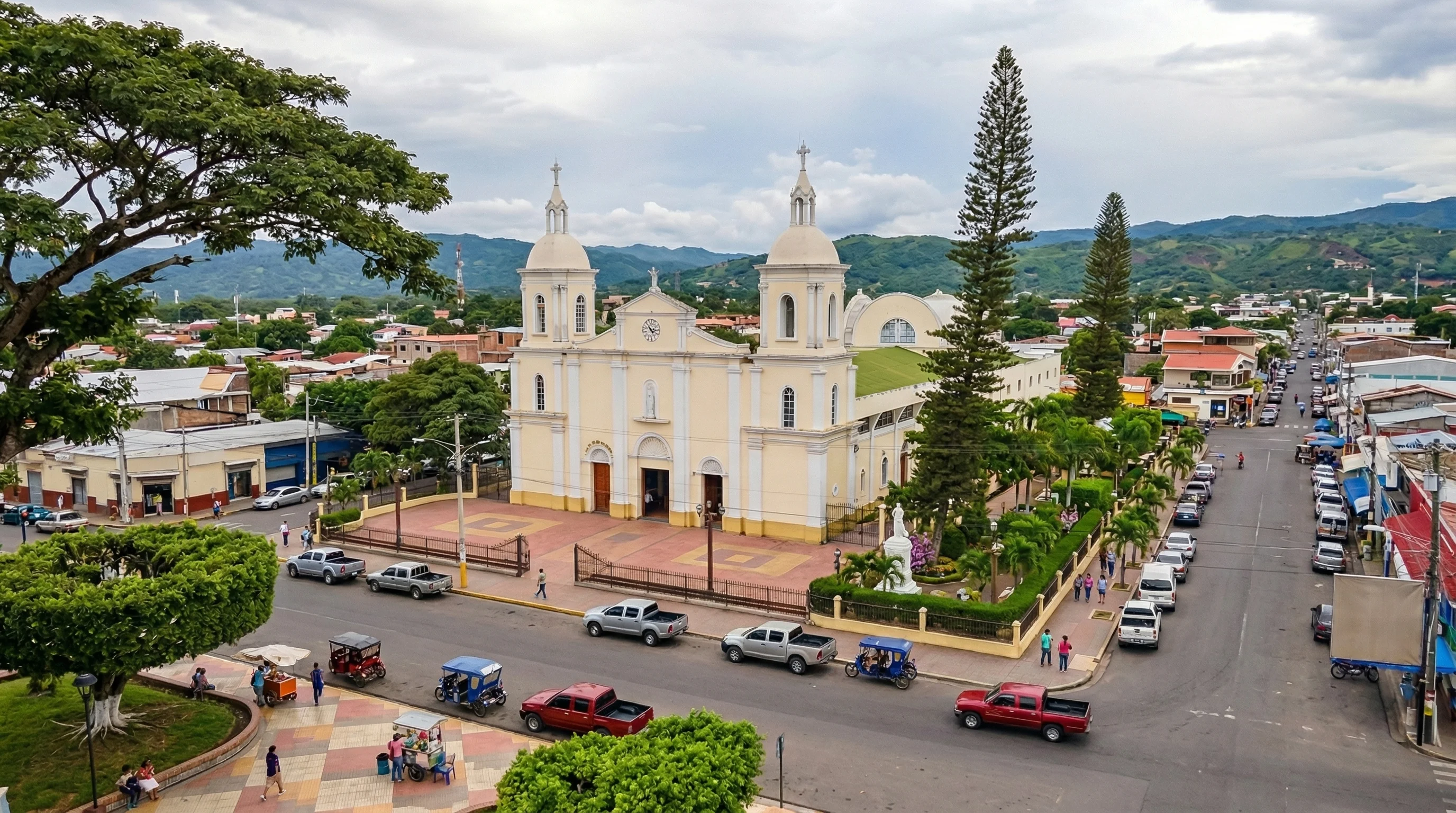 Origin
Estelí, Nicaragua, is a strategic logistics origin in northern Nicaragua, positioned along the CA-1 highway which serves as the main north-south corridor. This location provides direct access to the border with Honduras and, further south, to Costa Rica, making it a pivotal hub for regional distribution. The city and its surrounding department are economically dominated by high-value agriculture, most notably world-renowned coffee grown in the surrounding mountains, alongside significant tobacco and cattle ranching. This agricultural output creates consistent demand for outbound freight services. The available transportation infrastructure is centered on the well-maintained CA-1 highway, which supports heavy truck traffic and connects Estelí directly to key border crossings and the Pan-American network, enabling efficient movement of goods toward Mexico and beyond.
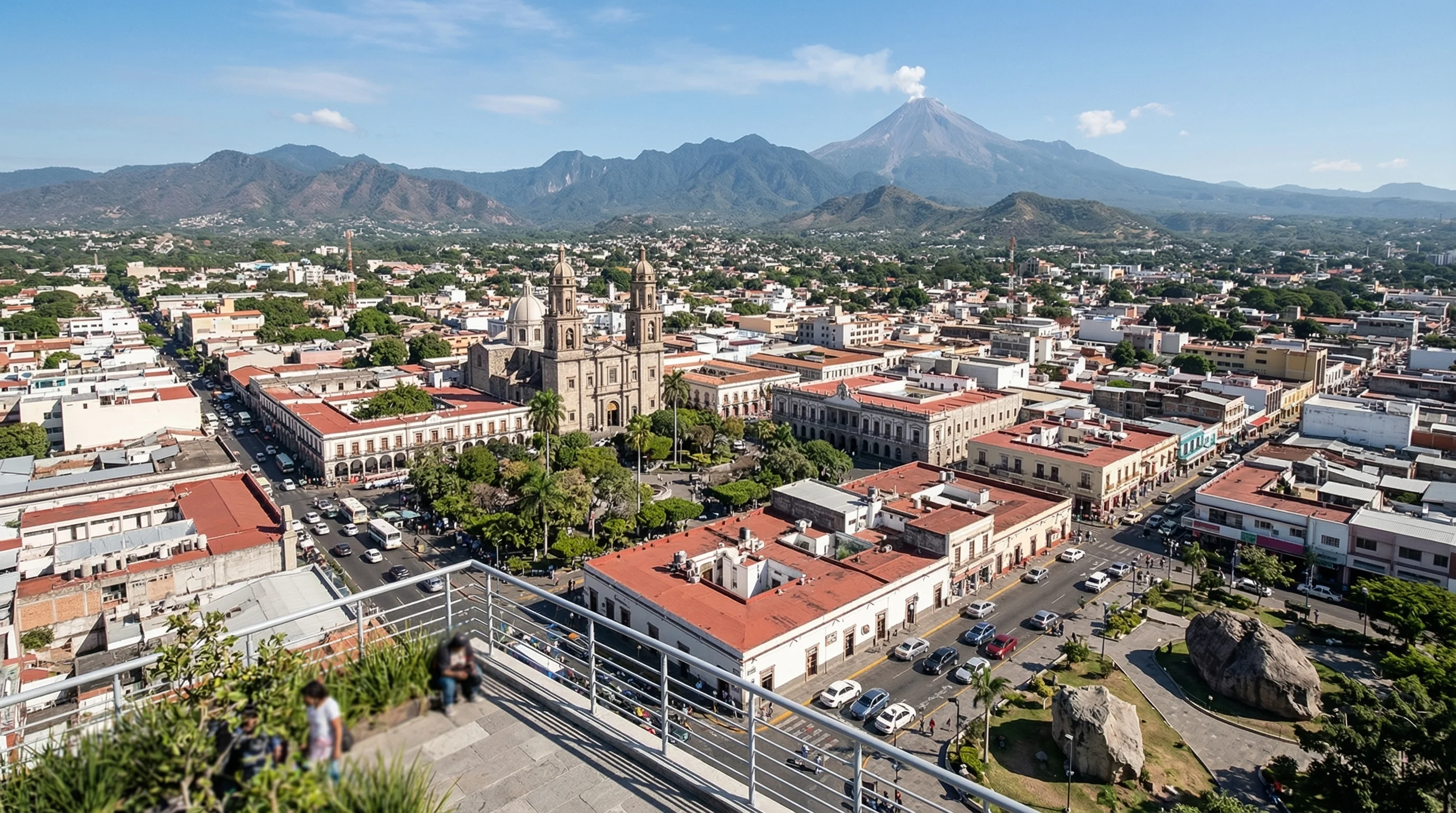 Destination
Colima, Mexico, is a strategically important destination on the Pacific coast, serving as a gateway to one of Mexico's most crucial port complexes, the Port of Manzanillo. Its location provides immediate connectivity to Federal Highway 200, which runs parallel to the coast, and Federal Highway 15, the main inland artery connecting to Mexico City and the northern border. This makes Colima a central node for both import distribution and export consolidation. The state's economy is robust and diversified, with major industries including food and beverage processing (particularly for tropical fruits and seafood), chemical manufacturing, and light industry. The proximity to the port generates high volumes of containerized and bulk freight moving in and out, supported by a comprehensive network of logistics providers and warehousing facilities along these key highway corridors.










